
Reviewed · PRAGUE COMMUNISM TOURS
Velvet Revolution and Communism tour with PERSONAL PRAGUE GUIDE
Prague turns political history into street scenes. This private Velvet Revolution and Communism walking tour uses real sites around Old Town Square and Wenceslas Square to explain how events unfolded before 1989. With a personal guide, you get focused answers instead of trying to hear over a crowd.
I like two things most: the story is built for Q and A (you can ask what you actually want to know), and the 3-hour format keeps you moving without frying your brain. One possible drawback is that it is mostly an outdoor walking experience, so it is not the best pick if you want museum time or lots of indoor exhibits.
In This Review
- Key highlights worth caring about
- A private Communist timeline you can control on foot
- Price and what $108.99 buys you in real value
- Pickup and meeting in Prague without the headache
- Staromestske namesti: February 1948 where the proclamation happened
- Velvet Revolution Memorial: getting close to 1989 without the fog
- Wenceslas Monument and Wenceslas Square: the political stage
- Karolinum and Charles University: education tied to reform
- Why the on-foot pacing improves the learning, not just the scenery
- A guide’s style matters, especially with art history interpretation
- What kind of traveler should book this?
- Should you book the Velvet Revolution and Communism tour?
- FAQ
- How long is the Velvet Revolution and Communism tour?
- Is this a private tour?
- Does the tour include hotel pickup?
- What stops will we visit?
- Are entrance tickets included?
- Is there a mobile ticket?
- Can I cancel for a full refund?
Key highlights worth caring about
- Private, on-foot pacing that lets you linger where the story clicks
- Professional art historian guidance that reads buildings and public space like documents
- Four meaningful stops tied to February 1948, 1989, and later political shifts
- Plenty of time for questions, not just a fast route with brief commentary
- Snacks plus hotel pickup, so you feel looked after during the walk
A private Communist timeline you can control on foot
This is the kind of Prague tour that works because it stays close to the ground. You are not bouncing between far-flung spots on a bus. You walk, stop, look, and then walk again, which is exactly how political power feels in the real world. Big events happened in specific places, and you start to recognize those places once you stand where people once stood.
The private setup matters more than you might think. Group tours can be fun, but they push you into other people’s questions and other people’s pace. Here, you can slow down when something feels confusing, and speed up when you already get it. If you care about how propaganda worked, how dissent spread, or why some symbols still matter, your guide can adjust in real time.
It also helps that the experience is designed as a “build-up” story. Instead of treating the Velvet Revolution as a sudden miracle, you get the lead-up threads tied to everyday Prague landmarks. That makes the city feel less like a set of photo stops and more like a timeline you can walk through.
More of the years behind the Iron Curtain:
- Prague: Communism History and Nuclear Bunker Guided Tour
★ 4.7 · 2,417 reviews - Prague Communism History and Nuclear Bunker Tour
★ 5.0 · 1,742 reviews - Communism & Nuclear Bunker Tour + 70s Canteen Lunch (own expense)
★ 5.0 · 1,036 reviews
Price and what $108.99 buys you in real value
At $108.99 per person for about 3 hours, this is not a budget stroll. The value comes from what is included, not just what is covered. You get a private tour, hotel pickup, a local guide, and a professional art historian guide style of interpretation. You also get snacks, which sounds small, but it matters when the tour is focused and you want your energy to last.
Also, the main stops listed are free for admission where applicable. That is a practical advantage because you do not lose time at ticket counters or get surprised by extra costs at each stop. And since the tour is built around prominent public squares and monuments, you are paying for the explanation and context, not for a museum entrance.
One more value point: with a private experience, your guide can answer follow-up questions on the exact topics you bring. If you enjoy history but hate feeling like you are doing homework on the run, this is the kind of format that keeps you engaged without making you cram.
Pickup and meeting in Prague without the headache
This tour includes hotel pickup, which is a big plus in Prague, where you can lose time just figuring out the best tram or walking route. You will also receive a mobile ticket, which keeps your prep simple.
The start and end are both in Prague, and the meeting area is near public transportation. That means even if pickup is not your favorite option, you should still be able to find your way easily. It is a good setup if you want a clean start to your day, not a stressful scramble right before your walking time.
If you plan to bring a service animal, this experience allows them, so it is straightforward on that front. For everyone else, the main thing to think about is stamina. Three hours of walking in central Prague is very doable for most people, but wear comfortable shoes and plan for outdoor weather.
Staromestske namesti: February 1948 where the proclamation happened
You begin at Staromestske namesti, a square that already feels iconic before the history even starts. This is the site tied to Czechoslovakia’s first communist president making a historic proclamation in February 1948. Even if you have read about the Communist takeover in a book, standing in the square gives the story a physical sense.
What makes this stop work is the way the guide connects politics to space. Public squares were used for speeches, mass messaging, and signaling a new order. Here, you can look around and try to imagine the crowd energy, the official tone, and the message being delivered in plain sight.
The time is short, about 10 minutes. That is not a problem if you treat this stop as the opening scene. Think of it as setting the terms: you are being told what changed, and you are being shown where it became official in the public realm. Admission is free for the specific stop, so you do not lose time on logistics.
Practical tip: this is a good place to ask your first “big picture” question. For example, you might want the guide to explain what people in Prague were experiencing right before February 1948, and how quickly daily life could change once power shifted.
Velvet Revolution Memorial: getting close to 1989 without the fog
Next comes the Velvet Revolution Memorial, the place where the Velvet Revolution began in 1989. This is the moment where the story turns from lead-up to transformation. If the February 1948 material starts as a long buildup, this stop is the payoff scene. It is still solemn and reflective, but it carries momentum.
You will spend around 20 minutes here, which is a comfortable amount of time for reading the memorial area and asking questions. The guide’s job at this stop is not just to say it happened, but to help you understand why it happened there, and why the public nature of the protests mattered.
What I find most useful about this kind of stop is the guide helps you connect emotion to mechanics. Revolutions are not only feelings, they are networks, strategy, and timing. You can feel the human side in the memorial setting, while the guide keeps the explanation anchored in the events that led there.
Admission is listed as free for this stop as well. So again, you are paying mainly for interpretation, not tickets or timed entries.
Practical tip: ask a question about cause and consequence. For example, you can ask what changed in the immediate aftermath in public life, or how the Velvet Revolution differed from earlier periods of dissent.
Some other Bohemian days to set against this
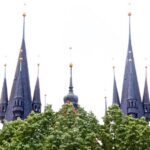
Wenceslas Monument and Wenceslas Square: the political stage
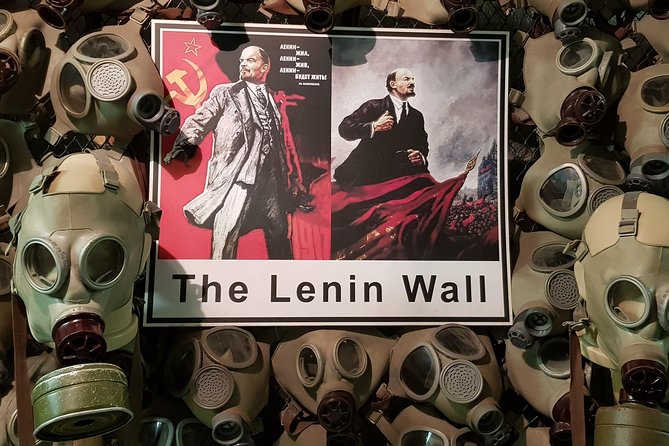
Then you move to the Wenceslas Monument, with Wenceslas Square as the surrounding stage for major 20th century Czech events. The key point you are given is that this area witnessed critical moments ranging from political upheavals to historic celebrations.
This stop is about 20 minutes, which works well because you are not just reading one plaque. You are standing in a space that historically hosted competing narratives. A guide can do a lot here by pointing out how symbolism, architecture, and crowd movement can send messages without a single headline being spoken.
The value of the stop is also how it connects the Velvet Revolution story to later and earlier shifts. Even if you do not know every detail of Czech 20th century politics, the tour gives you a framework to place events on a timeline you can hold in your head.
If you want good photo moments, this is one of the better areas for it, but keep your eyes open for historical cues beyond just the monument. The guide can help you see what you might miss if you are only chasing angles.
Admission is listed as free for the visit component, so you keep the focus on walking and understanding.
Karolinum and Charles University: education tied to reform
Last on the route is Karolinum, tied to Charles University, founded in 1348. This stop is about 10 minutes, and it plays a smart role at the end of the walk. Instead of stopping at 1989 and calling it done, you get a thread about ideas. The tour connects the university’s long presence to shaping revolutionary movements throughout Czech history.
Even in a short time, this is a meaningful pivot. It reminds you that political change is not only street action. It is also debate, teaching, writing, and the growth of independent thought. A guide with an art historian background can also help you read the building as a symbol of continuity. You are not just looking at an old institution, you are seeing how institutions can influence what people believe is possible.
The stop is free for admission as listed, so again the tour does not require you to budget time for extra tickets.
Practical tip: if you are the type who likes to connect history to modern life, this is where you ask the “so what” question. How does a place like Charles University connect to resistance or reform efforts across time?
Why the on-foot pacing improves the learning, not just the scenery
This is where the private format really pays off. On a walking tour like this, the pace can decide whether the story feels clear or chaotic. Here, you can wander at your own speed, which means you can slow down at one stop if a detail matters to you, or keep moving if you feel like you are tracking the bigger idea already.
You also get ample time to ask questions. That is the difference between hearing facts and actually understanding them. If anything feels confusing, you do not have to wait until the end. You can ask right then, while the site is fresh in your mind.
The route covers four main points tied to major dates, February 1948, 1989, and wider political shifts in between. That structure helps your brain build a timeline naturally. You remember a square, then you remember what happened there, then you remember why it mattered.
One more detail I appreciate: the experience includes snacks. When you are walking and thinking hard, small breaks keep you from getting cranky or distracted. You can stay focused longer, especially if your Prague day is already packed.
A guide’s style matters, especially with art history interpretation
This tour is led by a local guide and is described as having a professional art historian guide. That matters because Communist history is often told in speeches and documents, but public space is its own kind of record. The guide’s job is to help you notice how monuments and squares communicate power.
In the information you have, one guide name shows up strongly: Sarka. Her style is described as brilliant and fun, and she is noted for creating the experience around your interest in 20th century Czech history. Even if you are not with her, that tells you something about what the provider tries to deliver. You are not getting a dry script. You are getting interpretation that fits your curiosity.
If you want the tour to feel even more personal, you can tell your guide what you care about before you start. Bring one or two topics like propaganda, civic life, or the role of public demonstrations. Then use the natural pause points at each stop to ask follow-ups.
What kind of traveler should book this?
Book this if you want a clear connection between Prague’s landmarks and the Communist-era story leading up to the Velvet Revolution. It is ideal for people who like asking questions, who prefer walking, and who want a private guide to shape the pace.
It also fits well if you are visiting for the first time and you want one focused experience that gives you a framework for the rest of your Prague days. After this, you will likely look at squares and monuments with different eyes.
Skip it if you are looking for a long museum-style program, because this experience is short and site-based. It is also less ideal if you want a broad, whole-country survey of Communist history, since the route stays intentionally concentrated around Prague’s key locations.
Should you book the Velvet Revolution and Communism tour?
I think it is a strong buy if you like your history explained in context and you prefer a private walking format. The combination of hotel pickup, snacks, and a pro guide interpretation makes it feel cared for, not rushed. And because the stops are free for admission where listed, you can focus on learning instead of spending time on ticket steps.
The main reason to pause is the length. Three hours is enough for a solid narrative, but it is not enough for deep museum immersion or long discussions with no end in sight. If you want to spend hours inside archives or exhibitions, you will probably want to pair this with another Prague history option.
My quick decision rule: if you want a guided street-level timeline from February 1948 through 1989, with time to ask questions, book it. If you want a long indoor history program, look for something else.
FAQ
How long is the Velvet Revolution and Communism tour?
It runs for about 3 hours.
Is this a private tour?
Yes. It is private, and only your group participates.
Does the tour include hotel pickup?
Yes, hotel pickup is included.
What stops will we visit?
You visit Staromestske namesti, the Velvet Revolution Memorial, Wenceslas Monument, and Karolinum (Charles University area).
Are entrance tickets included?
Entrance tickets are listed as free for the tour stops. Entrance tickets if necessary are not included.
Is there a mobile ticket?
Yes, a mobile ticket is provided.
Can I cancel for a full refund?
Yes. You can cancel for a full refund up to 24 hours in advance of the experience start time.
Just written up in Prague
- Private Transfer from Prague to Regensburg★ 5.0 · 1 review
- Prague: TV Tower Ticket & Novi Grad Digital Tour★ 5.0 · 1 review
- Prague to Dresden’s Old Town, Zwinger & Frauenkirche by Car★ 3.0 · 1 review
- Prague to Český Krumlov Private Guided Tour – With Mike★ 5.0 · 1 review
- Prague to Munich Private Transfer with 2 hours sightseeing★ 5.0 · 1 review
- Prague: 3-Hours Wars & Totality Guided Walking Tour★ 5.0 · 1 review
- Prague to Berlin Private Transfer with Optional Sightseeing★ 5.0 · 1 review
- Private Half-Day Trip from Prague to Kutná Hora★ 5.0 · 1 review
Prague Communism Tours, compared.
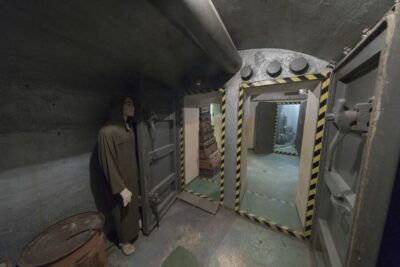
Communism History and Nuclear Bunker Guided Tour
Read our review →
Prague Communism History and Nuclear Bunker Tour
Read our review →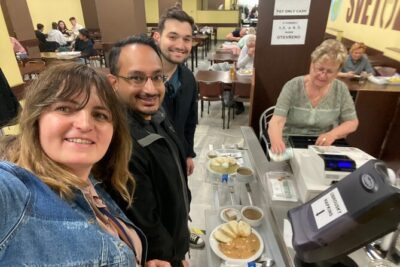
Communism & Nuclear Bunker Tour + 70s Canteen Lunch (own expense)
Read our review →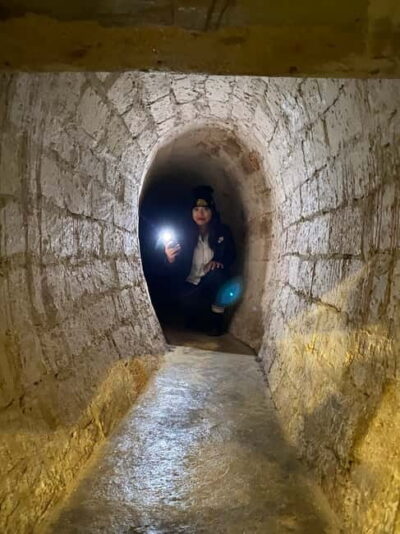
Communism and Bunker Tour with 70s Canteen Lunch
Read our review →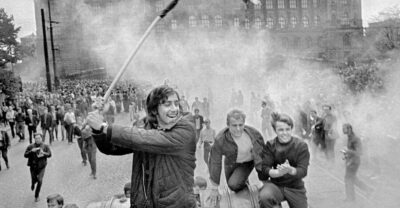
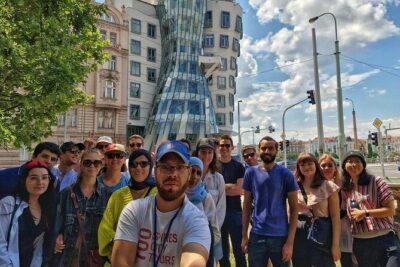
Second World War & Communism (Tip-based 3 hour tour)
Read our review →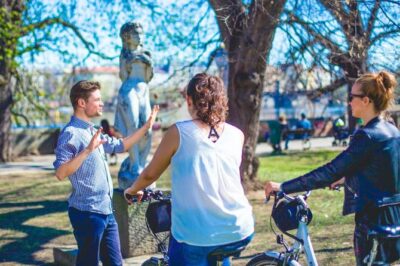
Browse the lists this tour appears in