
Reviewed · PRAGUE COMMUNISM TOURS
Prague: World War II and Communist History Tour
Street corners carry hard history in Prague. This 2.5-hour walk links WWII and communist years to real places in the Old and New Town, with stories that move fast through occupation, uprising, coup, and the Velvet Revolution.
What I like most is the way the tour turns big political events into street-level scenes you can actually picture. I also like the focus on major landmarks tied to these eras, including the Municipal House, the Jewish Quarter, the Dancing House, and Wenceslas Square.
One heads up: several stops are more about what happened nearby than about seeing obvious, surviving reminders today. If you want lots of dramatic ruins to stare at, you may wish for more visible evidence than you get in some parts of the route.
In This Review
- Key Things That Make This Tour Worth Your Time
- Where You Start at Týnská, and Why It Matters
- Nazi Occupation Prague, From Progress to Pressure
- The Czech Uprising and the Resistance Story You Can Follow
- Operation Anthropoid and the Target Assassination Moment
- Moving Into Communist Rule: Coup, Letdown, and Everyday Consequences
- Prague Spring to Warsaw Pact Invasion: Hope, Then the Clampdown
- 1989 and the Velvet Revolution, Where Václav Havel Fits
- How the Municipal House, Jewish Quarter, Dancing House, and Wenceslas Square Anchor the Story
- Guides, Group Energy, and the Real Pace of a 2.5-Hour Walk
- Price and Value When You Pay About $34
- Who Should Book This and Who Might Skip
- Should You Book This Prague WWII and Communist History Tour?
- FAQ
- Where does the tour start?
- How long is the Prague WWII and Communist History Tour?
- What language is the tour guide?
- What topics are covered during the tour?
- Which locations will you visit?
- Is the tour only for walking?
- What is the price?
- Is free cancellation available?
- Can I reserve now and pay later?
Key Things That Make This Tour Worth Your Time
- A tight 150-minute timeline that moves from Nazi occupation to the Velvet Revolution without losing the human story.
- High-impact moments tied to resistance, including where the top Nazi security chief was assassinated.
- Communist-era specifics you can’t get from generic sightseeing, like Plastic People of the Universe and Charta 77.
- Big-name turning points explained on location, including Prague Spring, the Warsaw Pact invasion, and Václav Havel’s rise.
- Landmark hopping with a purpose, using Municipal House, Jewish Quarter, Dancing House, and Wenceslas Square to anchor each chapter.
- English live guiding that keeps the pace brisk, with guides who are known for storytelling energy (I’ve heard names like Daren, Adam, Tony, Zac, and Sean highlighted).
Where You Start at Týnská, and Why It Matters
The tour meeting point is Týnská 639/4 in Staré Město. Starting here is smart because you’re already in the historic center, where daily life and major political shifts overlap in the same streets.
The first minutes set the tone. You’re not just walking past pretty facades, you’re learning how Prague went from being one of Europe’s most progressive and industrialized places to being pushed into a nightmare during Nazi rule, then later trapped under communist control. That framing makes everything you see next feel connected, not random.
More of the years behind the Iron Curtain:
- Prague: Communism History and Nuclear Bunker Guided Tour
★ 4.7 · 2,417 reviews - Prague Communism History and Nuclear Bunker Tour
★ 5.0 · 1,742 reviews - Communism & Nuclear Bunker Tour + 70s Canteen Lunch (own expense)
★ 5.0 · 1,036 reviews
Nazi Occupation Prague, From Progress to Pressure
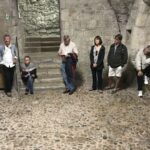
One of the strongest parts of this tour is how it explains the Nazi occupation in practical terms: what changed, who gained power, and what ordinary people had to deal with. You get the arc from occupation to resistance, and you also get the local viewpoint, not just a distant world-war overview.
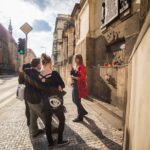
As you move through the Old Town area, the key is that the guide keeps linking the past to what you can notice today, even when the streets look calm. That contrast is the point. You can stand somewhere that still feels like a normal city block, and then hear what that same block meant during occupation years.
If you’re the type who likes your history with names and cause-effect, this tour fits. It’s built around major events you can follow, from occupation to the Czech uprising and then into the turbulent years that followed.
The Czech Uprising and the Resistance Story You Can Follow
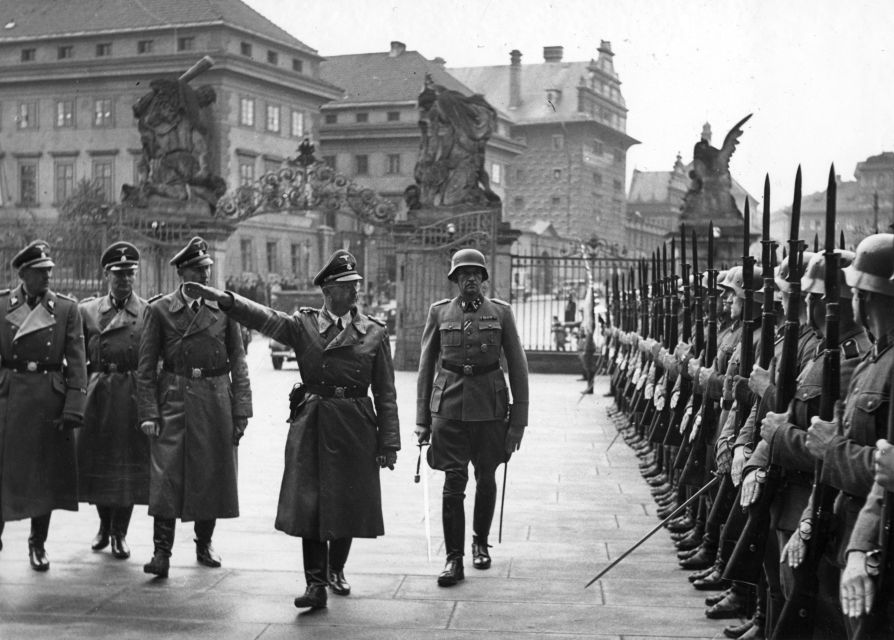
After Nazi occupation comes resistance, and then the Czech uprising. Instead of treating these as separate chapters, the tour tends to show them as a chain: pressure builds, people resist in different ways, and consequences land hard.
One reason I think this works well is pacing. In 150 minutes, you cannot cover everything. But the tour selects the moments that explain the turning points, then points you to what to look for next. That means you spend less time lost in background and more time understanding why people acted when they did.
There’s also a practical emotional angle. The stories keep returning to what locals were facing, including what hope looked like at one moment and what punishment looked like the next. That helps you avoid the trap of treating history like an abstract textbook.
Operation Anthropoid and the Target Assassination Moment
A highlight is discovering where the top Nazi security chief was assassinated. Even if you know the headline version of events, hearing the story tied to an on-the-ground location helps it click.
This is also where the tour’s resistance angle feels most memorable. The guide’s storytelling tends to focus on the stakes, why the mission mattered, and how the Nazis retaliated afterward. The result is not just a cool historical fact. It’s a warning about consequences, and it shows why resistance could be both necessary and terrifying.
If you enjoy extending your learning afterward, I love that guides often point people toward historical films. One helpful follow-up I’ve seen recommended is Anthropoid, plus Munich, which can add perspective on how these operations and their aftermath were understood in later storytelling.
Moving Into Communist Rule: Coup, Letdown, and Everyday Consequences
After WWII and occupation, the tour accelerates into the communist era. You cover the Czech side of the transition: the communist coup, the sense of how quickly hope can flip into control, and the long period where power stops listening to citizens.
You’ll hear about Normalization, a term that sounds bland until you learn what it meant in daily life. Here, the tour does well by connecting policy to people, including how dissenters were treated and why survival often depended on silence, caution, and careful choices.
Two communist-era items the tour spotlights are the persecution of the Plastic People of the Universe and the emergence of Charta 77. These aren’t random references. They’re clues about how the regime dealt with culture and speech, and how underground networks formed around the simple act of refusing to accept propaganda as truth.
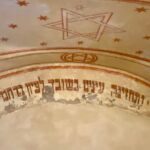
Other wartime walks through Prague:
Prague Spring to Warsaw Pact Invasion: Hope, Then the Clampdown
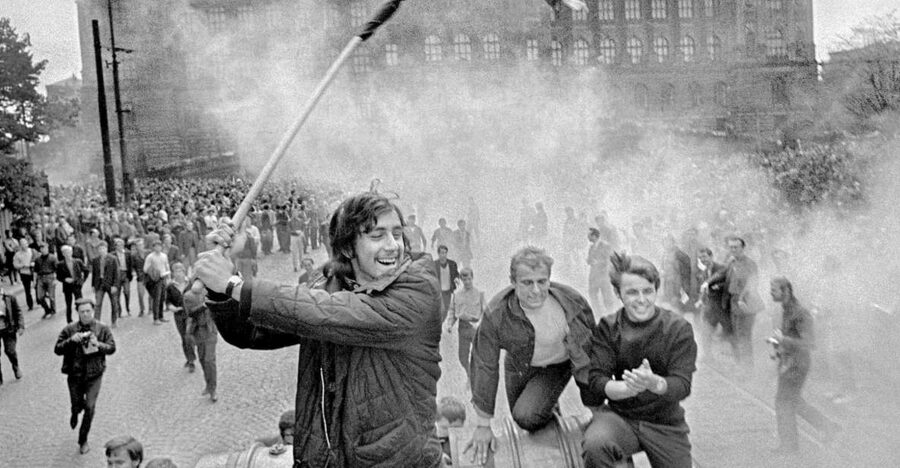
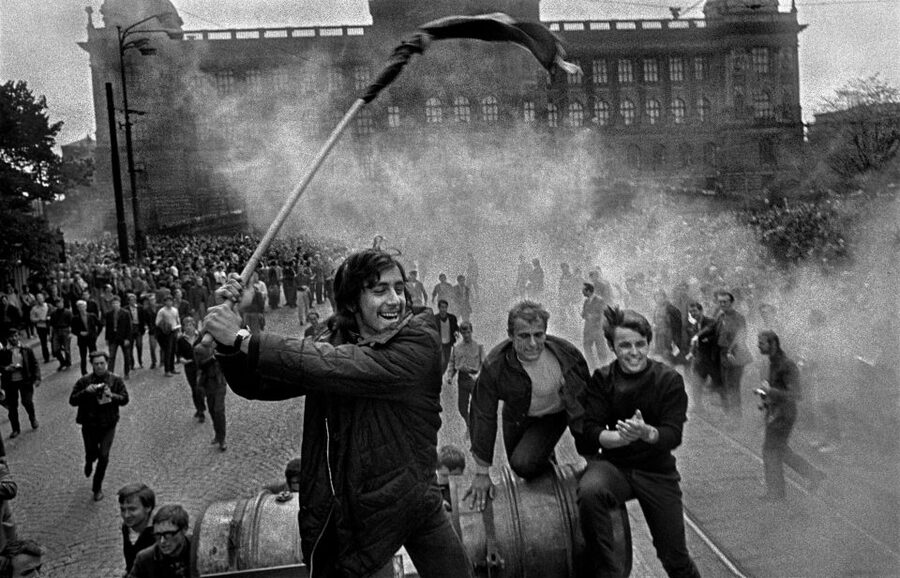
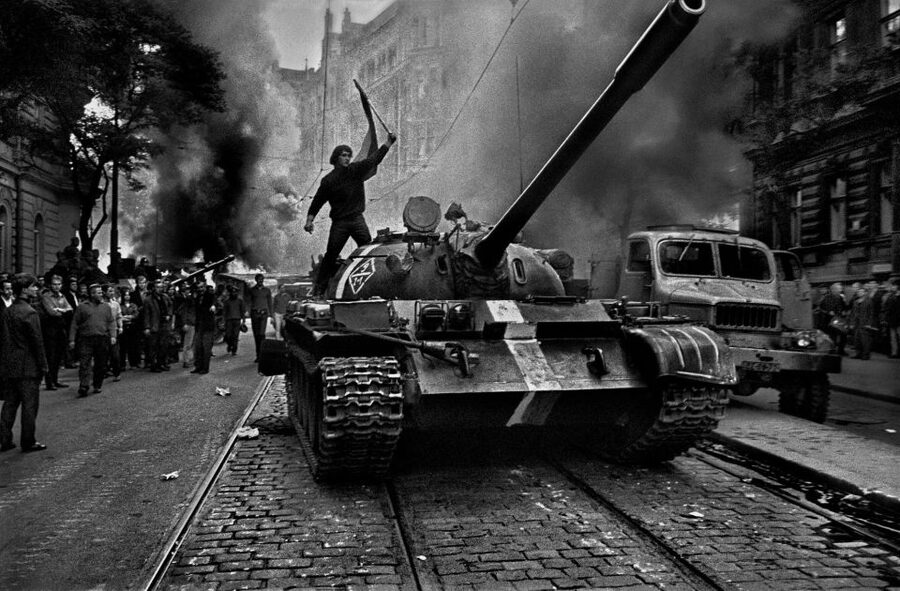
Then comes one of the most dramatic sections of the twentieth century: Prague Spring and the Warsaw Pact invasion. The tour presents this not as a distant moment in a headline, but as a lived shift in expectations. You hear about the euphoria, then you hear what replaced it.
What’s especially useful for you as a visitor is that this part explains the emotional whiplash. You don’t just get a timeline. You get a sense of how fast optimism can turn to fear when external forces decide they have the right to override internal change.
This is also a good time to slow down mentally. If you’ve been power-walking through old streets for most of the day, let the stories land. The contrast between Prague’s beauty and the trauma of these years is part of what makes the tour hit.
1989 and the Velvet Revolution, Where Václav Havel Fits
The tour brings you to the end of the story in 1989, with the Velvet Revolution. You’ll hear how Václav Havel and a mix of dissidents ended up swept into power, and how that shift was shaped by years of resistance, criticism, and refusal to look away.
This section works best if you care about how change actually happens. It’s not presented as one magic date. It’s presented as something that built over time, through social pressure and political courage, until the system finally fractured.
How the Municipal House, Jewish Quarter, Dancing House, and Wenceslas Square Anchor the Story
You’ll visit several big-name places during the walk, and the value is that each one gets used as a timeline marker.
- Municipal House: The guide uses it to connect civic life and public identity to the twentieth century’s political shocks. Even if you do not go inside, the building helps you visualize how public institutions stood in the path of regime change.
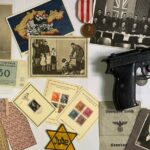
- Jewish Quarter: This stop matters because Nazi occupation reshaped Jewish life brutally and systematically. Walking in this area while hearing the Nazi-era story gives you a sharper understanding of why persecution was not a side plot, it was central.
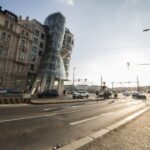
- Dancing House: This one is interesting because it bridges eras. The building’s modern look gives your brain a contrast cue, helping you feel how Prague’s identity kept evolving after the darkest chapters.
- Wenceslas Square: This is where the tour’s political energy clicks. It’s the kind of place where public gatherings and state power naturally collide, which makes it a strong anchor for the Velvet Revolution and the post-1989 shift.
If you’re tight on time in Prague, I still think these stops justify the walk. They are famous, yes, but here they function like chapters in a single narrative.
Guides, Group Energy, and the Real Pace of a 2.5-Hour Walk
The tour is a live English walking experience with a duration of 150 minutes. That’s long enough to build momentum, but short enough to fit into a busy sightseeing schedule.
In the feedback I’ve seen tied to this tour, guides often stand out for storytelling energy, with names like Daren, Adam, Tony, Zac, Sean, and Amanda showing up as examples. In practice, that means you should expect explanations that sound like history told by a person, not dates read from a screen.
Also, plan for real walking. One person called out that it was a longer walk than they expected, and others noted it can be good even in rain. I’d bring comfortable shoes and dress for the weather, because your feet and attention matter in a story-based tour.
Depending on your group and timing, you might also get extra stops that add context, such as a museum moment. I’d treat that as a bonus if it happens, not the main reason to book.
Price and Value When You Pay About $34
At about $34 per person for a 2.5-hour guided walk, this can be good value compared to tours that only skim major landmarks. You’re not paying for a bus ride or a long day. You’re paying for a focused guide who connects Nazi occupation, resistance, communist rule, and 1989 into one coherent walk.
Where the value really shows is in specificity. The tour doesn’t just say communist, it talks about Normalization, the persecution tied to Plastic People of the Universe, and Charta 77. It also doesn’t just say WWII, it points you to where a key resistance assassination happened. That level of selection is what makes a shorter tour feel worth the money.
If you’re a history lover with limited time, this is the kind of tour that prevents you from leaving Prague with only photos and vague impressions.
Who Should Book This and Who Might Skip
This tour is best for you if you want history with a clear storyline and you like walking through the city while learning why it mattered. It’s also great if you prefer English explanation and you enjoy guides who tell stories rather than simply listing facts.
You might think twice if you want mostly visible remnants, because some locations are more about narrative than dramatic ruins. It’s also not ideal if you hate heavy topics. The tour includes some harrowing realities tied to occupation and repression.
Still, if you’re willing to take it seriously, you’ll probably come away with a much better sense of how Prague’s twentieth century unfolded, piece by piece, on streets you can still walk today.
Should You Book This Prague WWII and Communist History Tour?
If you want the fastest way to make Prague’s twentieth century feel understandable, I’d book this tour. The combination of WWII occupation, resistance, communist rule, Prague Spring, and the Velvet Revolution is a lot to fit into 150 minutes, and the tour stays structured around key locations and key events.
Book it if you like narrative history, English guides who keep momentum, and a route that connects the Municipal House, Jewish Quarter, Dancing House, and Wenceslas Square to real political turning points. Skip it only if you want light entertainment or if you need obvious, physical historical remains at every stop.
If you want one practical next step after the walk, watch a film like Anthropoid or Munich to keep the story going in your own time.
FAQ
Where does the tour start?
You meet at Týnská 639/4, Staré Město, 110 00 Praha-Praha 1, Czechia.
How long is the Prague WWII and Communist History Tour?
The tour runs for 150 minutes, about 2.5 hours.
What language is the tour guide?
The tour is conducted in English with a live guide.
What topics are covered during the tour?
It covers Nazi occupation and resistance, the Czech uprising, the communist coup and Normalization, Prague Spring and the Warsaw Pact invasion, Charta 77, and the Velvet Revolution of 1989.
Which locations will you visit?
The tour includes key locations tied to these events, including the Municipal House, Jewish Quarter, Dancing House, and Wenceslas Square.
Is the tour only for walking?
Yes, it is a walking tour.
What is the price?
The price is listed as $34 per person.
Is free cancellation available?
Yes. You can cancel up to 24 hours in advance for a full refund.
Can I reserve now and pay later?
Yes. The experience offers reserve now & pay later, so you can book your spot without paying today.
Centuries Along the Royal Route
- Prague: Oldtown, Medieval Underground & Dungeon History Tour
★ 4.3 · 10,277 reviews - Prague Old Town, Medieval Underground and Dungeon Historical Tour
★ 4.5 · 3,227 reviews - Prague: Historic City Center Bus Tour with Top Sights
★ 4.4 · 2,360 reviews - Prague Historic Pub Tour with Drinks Included
★ 5.0 · 2,084 reviews
Just written up in Prague
- Private Transfer from Prague to Regensburg★ 5.0 · 1 review
- Prague: TV Tower Ticket & Novi Grad Digital Tour★ 5.0 · 1 review
- Prague to Dresden’s Old Town, Zwinger & Frauenkirche by Car★ 3.0 · 1 review
- Prague to Český Krumlov Private Guided Tour – With Mike★ 5.0 · 1 review
- Prague to Munich Private Transfer with 2 hours sightseeing★ 5.0 · 1 review
- Prague: 3-Hours Wars & Totality Guided Walking Tour★ 5.0 · 1 review
- Prague to Berlin Private Transfer with Optional Sightseeing★ 5.0 · 1 review
- The Plague Doctor of Prague: Self-Guided Mystery Puzzle Walk★ 3.0 · 1 review
Prague Communism Tours, compared.
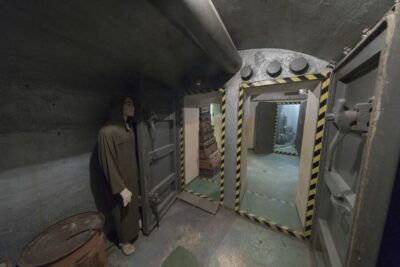
Communism History and Nuclear Bunker Guided Tour
Read our review →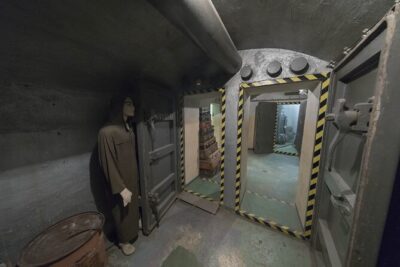
Prague Communism History and Nuclear Bunker Tour
Read our review →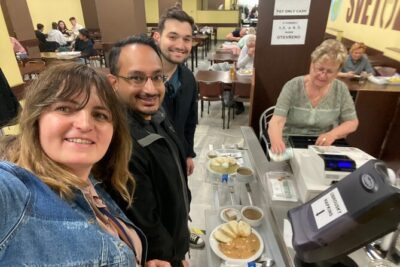
Communism & Nuclear Bunker Tour + 70s Canteen Lunch (own expense)
Read our review →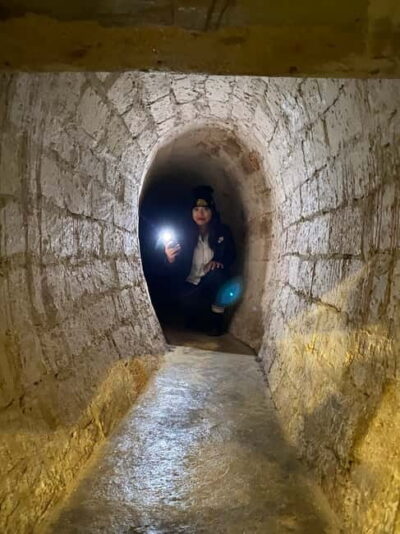
Communism and Bunker Tour with 70s Canteen Lunch
Read our review →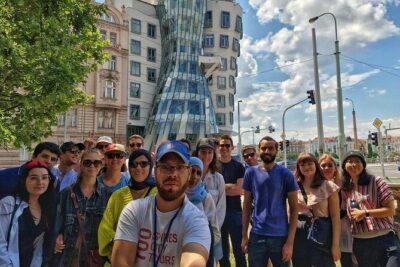
Second World War & Communism (Tip-based 3 hour tour)
Read our review →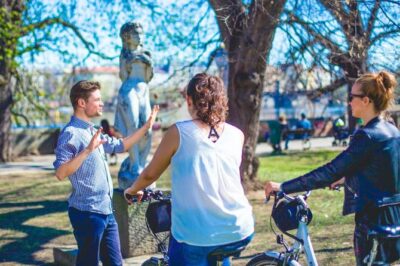
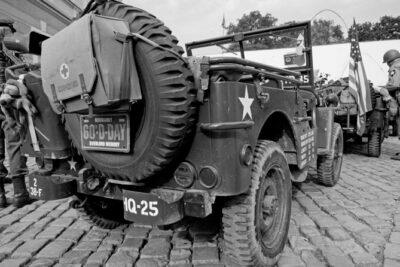
Prague Communism and World War II Walking Tour
Read our review →Browse the lists this tour appears in