
Reviewed · PRAGUE WWII TOURS
WWII/WW2 Prague with a Local Historian Semi Private Tour
Prague’s WWII chapters feel close here. This semi-private tour links famous landmarks to the personal stories behind the Nazi occupation, the Prague Uprising, and the people who tried to save others. I especially liked how the guide keeps the walk grounded in real places, with details you can look at while you listen. You also get a small-group pace, so questions do not feel like an interruption, they feel part of the experience.
I love the human scale of the storytelling, from Nicholas Winton’s train rescue story to the resistance after Reinhard Heydrich. It stays serious, but it never turns abstract, and the guide’s warmth makes space for hard history. If you want a quick highlights reel, the darker stops may feel heavy, and you should be ready for that emotional tone.
In This Review
- Key reasons this WWII Prague tour works
- What you’re really buying with a local historian tour
- Wenceslas Square: the occupation’s early story in a place you can still see
- The National Theatre area: liberation, Patton’s advance, and the Prague Uprising
- Praha hlavní nádraží and Nicholas Winton’s train rescues
- Operation Anthropoid and the Heydrich Terror Memorial
- Dancing House: American bombing told through a modern landmark
- Petschkův palác: Gestapo headquarters and how fear operated
- Price and value: why $62.47 can feel fair here
- Who this WWII Prague tour is best for
- A quick word on your expectations: darker themes and good weather
- Should you book this WWII Prague local historian tour?
- FAQ
- How long is the WWII Prague semi private tour?
- What language is the tour offered in?
- How big is the group?
- Is the admission fee included for the sites?
- How much public transportation should I budget?
- Where do I meet the guide?
- Is cancellation free, and how far in advance can I cancel?
Key reasons this WWII Prague tour works
- Small group, maximum 6 people, which keeps the conversation going without rushing.
- Stop-by-stop stories tied to specific WWII events, from occupation beginnings to the Heydrich aftermath.
- Operation Anthropoid focus, including the church linked to resistance hiding after the assassination.
- Nicholas Winton’s rescue story connected to Praha hlavní nádraží, told with personal research context.
- A guide with real local passion, including names like historian Jiří Klůc and guide Hana you may meet.
What you’re really buying with a local historian tour
This is not a museum lecture done while walking. It’s a focused 2 hours 30 minutes of WWII Prague told in the street-level way you actually experience a city: curb to corner, facade to facade, looking up while you hear what happened there.
The value is in the structure. The route moves through moments that mark a before-and-after arc. You start with the occupation atmosphere, move into the liberation and the uprising era, then shift into two contrasting human stories: the resistance network that struck back, and the ordinary people who tried to save children by getting them on trains. That contrast is one reason the tour lingers.
And because the group is capped at 6, it stays semi-private in practice. You get time to ask your own questions, whether you want Czech context, background on a person, or how events connected across the city.
Other wartime walks through Prague:
- Prague: WWII Guided Tour & The Crypt of Operation Anthropoid
★ 4.7 · 1,030 reviews - WWII in Prague Tour & The Crypt of Operation Anthropoid
★ 5.0 · 817 reviews - Small-Group World War 2 & Operation Anthropoid Tour in Prague
★ 5.0 · 231 reviews
Wenceslas Square: the occupation’s early story in a place you can still see
The walk begins at the Statue of Saint Wenceslas on Václavské náměstí. This is one of Prague’s most central public squares, so it also helps you understand how the city functioned under pressure. The guide sets the stage for the early Nazi occupation story right where it unfolded, using the surrounding space as a timeline.
This part is guided by historian Jiří Klůc, with stories tied to the historic area around the square. Expect about 25 minutes here, enough time to connect the dots between propaganda atmosphere, public life, and what people feared in everyday moments.
What I liked: the square stops being just a postcard backdrop. You start noticing how public space can be used for control, and how quickly normal movement can turn into something watchful.
Possible drawback: if you prefer a route that starts right away with dramatic set pieces, this opening is more atmosphere and context. It’s still essential, but it is not the punchiest moment of the tour.
The National Theatre area: liberation, Patton’s advance, and the Prague Uprising
Next you head to the Prague National Theater Opera area for a shift from occupation to the closing chapters of the war. You’ll hear about Czechoslovakia’s liberation in 1945, including the advance of the U.S. Army led by General George S. Patton in western Bohemia.
Then comes one of the emotional high points for many people: the Prague Uprising in 1945. The guide frames it through historical research and firsthand testimony. Expect around 20 minutes, which means the point is not to cram every detail, but to give you the key chain of events and why the uprising mattered.
What makes this stop valuable is how it sets up the rest of the route. The uprising and the liberation theme explains why later stories of resistance, sabotage, and survival are not isolated events. They are part of a wider attempt to break the occupation grip as the war turned.
Praha hlavní nádraží and Nicholas Winton’s train rescues
Now you get a different kind of WWII story, one that turns the focus from armies to people with urgent choices. At Praha hlavní nádraží, the tour brings in Nicholas Winton, known for saving 669 children, mainly Jewish, through train transports.
This is the stop that connects directly to One Life, and the guide uses the station setting to help you picture what the rescue effort meant in real time. You’ll also visit locations tied to Winton and hear stories drawn from the guide’s personal research. One of the most striking elements here is the tour’s reference to the guide’s rare opportunity to interview some of the children Winton rescued, adding a layer of lived memory to a story that can otherwise feel like a historical footnote.
Expect about 30 minutes at the station. That timing matters. It gives you enough time to hear the full arc, from the rescue idea to the aftermath, without feeling like you’re being marched through.
How to get the most out of this stop: listen for how the story is told as logistics and hope at the same time. Trains, schedules, and decisions under pressure. That’s where WWII becomes personal.
Operation Anthropoid and the Heydrich Terror Memorial
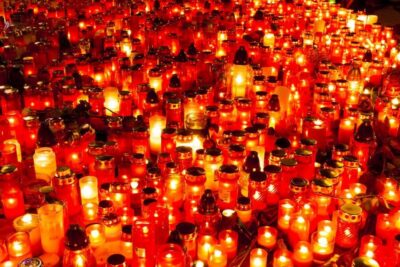
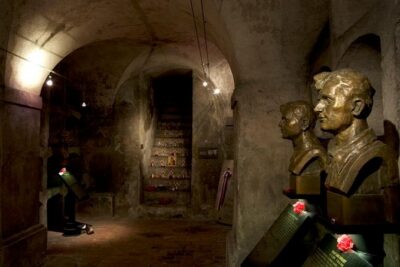
If you’re here for the most intense WWII material, this is the heart of the route. The tour visits the National Memorial to the Heroes of the Heydrich Terror. You’ll see bullet holes and visit the church where the resistance hid after assassinating Reinhard Heydrich.
The story is centered on Operation Anthropoid, the assassination of Reinhard Heydrich, described as the founder of the Holocaust and the third-highest-ranking Nazi. Even if you already know the headline, the location makes it different. The tour uses physical traces, like those bullet holes, to anchor what otherwise becomes a timeline in a book.
This stop runs about 45 minutes, which is a big chunk of the tour. It’s long on purpose. It gives time to understand the reasoning behind resistance actions and also to face the consequences that followed.
A practical note: this is where the tour can feel emotionally weighty. That does not mean you should avoid it. It means you should approach it with the right expectations. You will walk through a story about terror and retaliation, and the guide keeps the human cost front and center.
Some other Bohemian days to set against this


Dancing House: American bombing told through a modern landmark
After the memorial, you shift toward the city’s physical layers of the past. The tour heads to the Dancing House, where you’ll hear the story of the American bombing of Prague in 1945.
This stop is shorter, about 15 minutes, and that makes sense because the goal is not to exhaust every bombing detail. It’s to give you a point of reference so you can connect what you see today with what was damaged and what survived.
Why this works: Prague does not stop at 1945. You keep seeing new architecture and different eras. The Dancing House acts like a visual bridge. You learn to read the city as a palimpsest of recovery, rebuilding, and memory.
If you’re the type who likes to take photos, this is a good moment. Just try not to treat it like a break from history. The guide ties the landmark back to the wartime story.
Petschkův palác: Gestapo headquarters and how fear operated
The final historical stop on the route is Petschkův palác, presented as Gestapo headquarters. The tour keeps this section compact, about 15 minutes, but the meaning is big.
Gestapo headquarters are not just about who occupied a building. They’re about how the machinery of control spread fear through systems, interrogations, and surveillance. Even with limited time, this stop helps you understand the difference between wartime combat narratives and the everyday violence of occupation.
What I liked here is the pacing. Earlier stops move through major events. This one returns to the core mechanism of terror and shows how it shaped daily life and decision-making.
Price and value: why $62.47 can feel fair here
The listed price is $62.47 per person, for about 2.5 hours and a group size that tops out at 6. You also get a mobile ticket and the tour is offered in English, with all fees and taxes included.
Admission is handled smartly: most sites you visit are described as free, and the memorial stop includes the admission ticket (included). That matters because it reduces the annoying parts of planning what you will pay on the spot.
The one cost you should plan for is public transportation, listed as €1.30 per person, not included. Since the walking route moves across parts of central Prague and ends at Dancing House, it’s realistic you might use transit depending on your starting point and how quickly you walk. If you hate public transport steps, factor that into your budget and your comfort level.
My bottom line: for a semi-private WWII themed walk that includes several distinct, high-impact sites, this pricing feels reasonable, especially because the guide time is concentrated and the group stays small.
Who this WWII Prague tour is best for
This tour is a great match if:
- You like WWII history tied to real streets and specific places
- You want a guide who answers questions and can adjust to what you care about
- You’re interested in Operation Anthropoid and the Heydrich story, but also the Prague liberation period and Nicholas Winton’s rescue
It’s also ideal for people who appreciate a personal touch. One of the recurring strengths in the experience is the guide’s ability to bring stories to life while staying thoughtful about the human impact. If you prefer history as names and dates only, you might find it emotionally heavier than some other tours. If you want the people inside the history, you’ll likely love it.
A quick word on your expectations: darker themes and good weather
This experience is weather-dependent, and it makes sense for a walking route. If Prague is rainy on your day, consider building flexibility into your schedule.
Also, the topics are not light. You’ll hear about occupation beginnings, terror, and wartime retaliation. The guide keeps the tone respectful and human, and that’s part of why the tour earns such strong praise.
Should you book this WWII Prague local historian tour?
If you’re deciding whether to spend a few hours on a WWII-focused guide, I’d say this is a strong choice for the right traveler. Book it if you want a small-group, place-based story that connects the Czech WWII experience to resistance action and to Nicholas Winton’s child rescues. It’s especially worth it if you care about hearing the stories through a local historian who can keep the route coherent instead of turning it into six unrelated stops.
Skip it only if you want a lighter “highlights” sightseeing day, because this is built around serious history, including the Heydrich terror memorial and Gestapo headquarters.
FAQ
How long is the WWII Prague semi private tour?
The tour runs for about 2 hours 30 minutes.
What language is the tour offered in?
The tour is offered in English.
How big is the group?
This tour has a maximum of 6 travelers.
Is the admission fee included for the sites?
Most admissions are listed as free, and the National Memorial to the Heroes of the Heydrich Terror includes admission. The rest are shown as free in the tour details.
How much public transportation should I budget?
Public transportation is listed as €1.30 per person and is not included.
Where do I meet the guide?
You meet at the Statue of Saint Wenceslas on Václavské náměstí (110 00 Praha 1-Nové Město).
Is cancellation free, and how far in advance can I cancel?
Yes, cancellation is free. You can cancel up to 24 hours in advance for a full refund.
Just written up in Prague
- Private Transfer from Prague to Regensburg★ 5.0 · 1 review
- Prague: TV Tower Ticket & Novi Grad Digital Tour★ 5.0 · 1 review
- Prague to Dresden’s Old Town, Zwinger & Frauenkirche by Car★ 3.0 · 1 review
- Prague to Český Krumlov Private Guided Tour – With Mike★ 5.0 · 1 review
- Prague to Munich Private Transfer with 2 hours sightseeing★ 5.0 · 1 review
- Prague: 3-Hours Wars & Totality Guided Walking Tour★ 5.0 · 1 review
- Prague to Berlin Private Transfer with Optional Sightseeing★ 5.0 · 1 review
- The Plague Doctor of Prague: Self-Guided Mystery Puzzle Walk★ 3.0 · 1 review
Prague WWII Tours, compared.
WWII Guided Tour & The Crypt of Operation Anthropoid
Read our review →
WWII in Prague Tour & The Crypt of Operation Anthropoid
Read our review →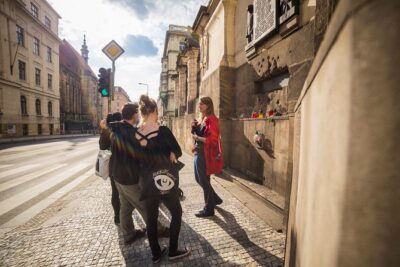
Small-Group World War 2 & Operation Anthropoid Tour in Prague
Read our review →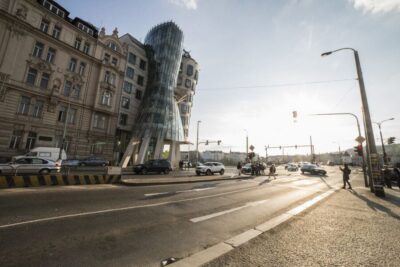
World War 2 and Operation Anthropoid Walking Tour
Read our review →
Terezin In-Depth Holocaust Tour From Prague’s Center (max 7 pax)
Read our review →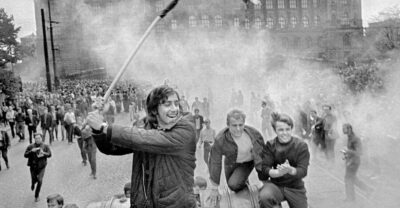
Browse the lists this tour appears in