
Reviewed · PRAGUE WWII TOURS
Prague: Communists and World War II Tour
Prague walks you through 20th-century ghosts. This World War II and Communism tour makes the city’s big squares feel personal, tracing how power changed on the very streets you stroll today. I especially like how the guide links headline events to everyday fear, propaganda, and resistance.
I also love the mix of major symbols and specific stories, including the 30-meter Stalin statue and the moments that shaped life under Communism, from blacklisted books to Jan Palach. One drawback to consider: the guide uses an orange umbrella, so at the meeting point you will want to double-check you found the right person fast.
In This Review
- Key Things That Make This Tour Worth Your Time
- Why Prague’s 20th-Century Politics Feel Different on Foot
- Meeting at Křižovnické náměstí, and How Not to Miss Your Guide
- From National to the New Town: Where Power Shows Up in Street Layout
- Wenceslas Square: Cold War Tension in a Place People Still Use
- Republic Square and Czechoslovakia: The Story Behind the Map
- Stalin’s 30-Meter Statue: When Propaganda Becomes Monument
- The Nazi to Communist Thread: Gestapo Streets, Book Burning, and Resistance
- The Museum of Communism Option: A Good Follow-On (Not a Full Replacement)
- Duration and Group Feel: Two Hours That Move Fast
- Price and Value: What You Get for $29
- Should You Book This Prague Communists and World War II Tour?
- FAQ
- How long is the Prague Communists and World War II tour?
- Where do I meet the guide?
- What languages are available for the live guide?
- Is the Museum of Communism included?
- What should I bring, and is anything not allowed?
- Can I cancel for a refund?
Key Things That Make This Tour Worth Your Time
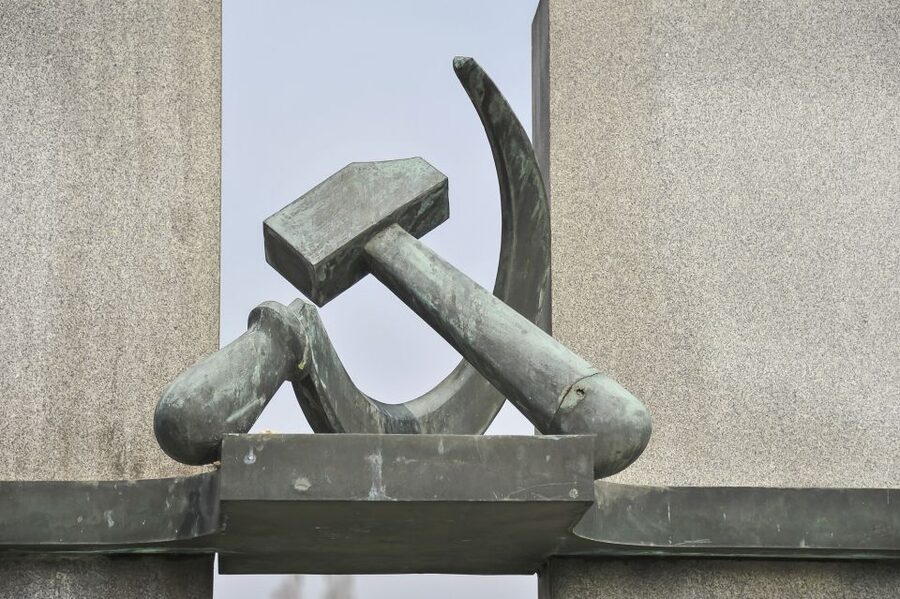
- WWII to Cold War in one logical route, so Prague stops feel connected, not random
- Stalin’s 30-meter presence, which turns political history into something you can literally see
- Gestapo-era streets and street-level context, helping you understand what occupation meant day to day
- Czechoslovakia’s creation explained clearly, with the ups and downs you would otherwise miss
- Resistance stories you remember, including Jan Palach and the Velvet Revolution
- Optional Museum of Communism add-on, plus a coupon if you plan to go further
Why Prague’s 20th-Century Politics Feel Different on Foot
Prague is famous for spires and postcards, but this tour pulls you toward the century that left deeper marks. What I like about it is the way the guide turns broad political eras into a walk you can follow. You are not just hearing dates. You are learning what changed in real life as regimes rose, tightened control, and shifted hands.
You also get something rare in a short format: a story that keeps moving. The tour starts with the lead-up to WWII, then follows the Nazi presence in the city, and then jumps to post-war Communism and the Iron Curtain. That flow matters because the political shifts are not separate chapters. They stack on top of each other, and Prague makes that layering easy to sense.
If you want a high-level Prague overview, you can get that anywhere. If you want a practical sense of why modern Prague looks the way it does, this is a strong fit.
Other wartime walks through Prague:
- Prague: WWII Guided Tour & The Crypt of Operation Anthropoid
★ 4.7 · 1,030 reviews - WWII in Prague Tour & The Crypt of Operation Anthropoid
★ 5.0 · 817 reviews - Small-Group World War 2 & Operation Anthropoid Tour in Prague
★ 5.0 · 231 reviews
Meeting at Křižovnické náměstí, and How Not to Miss Your Guide
The tour starts at Křižovnické náměstí by the Charles Bridge, near the Statue of Charles IV. The guide will be holding an orange umbrella, and that umbrella detail matters. At a busy spot like the Charles Bridge area, you do not want to wander around hoping you picked up the right group.
For transit, the closest stop is Staroměstská. I recommend building a small buffer into your arrival time so you can join your group calmly, especially if you are using public transport right before the tour.
Bring comfortable shoes. Two hours sounds manageable, but this is a walking history route, and you will be on your feet for the full story.
From National to the New Town: Where Power Shows Up in Street Layout
After you leave the start area, you move toward National and through parts of the New Town. This is where the tour earns its keep. The guide uses the street grid and major thoroughfares to explain how control and messaging spread. You get a sense that regimes do not only occupy buildings, they also occupy movement, attention, and public space.
This matters most when the tour starts talking about how events led toward WWII. You are not only learning what happened. You are learning where it could be felt in daily life, because Prague’s public areas were built to gather people and channel them.
One practical tip: if you like taking photos, do it, but keep some focus for the narration. The tour gets most powerful when you match what the guide says with what you can still see on the street.
Wenceslas Square: Cold War Tension in a Place People Still Use
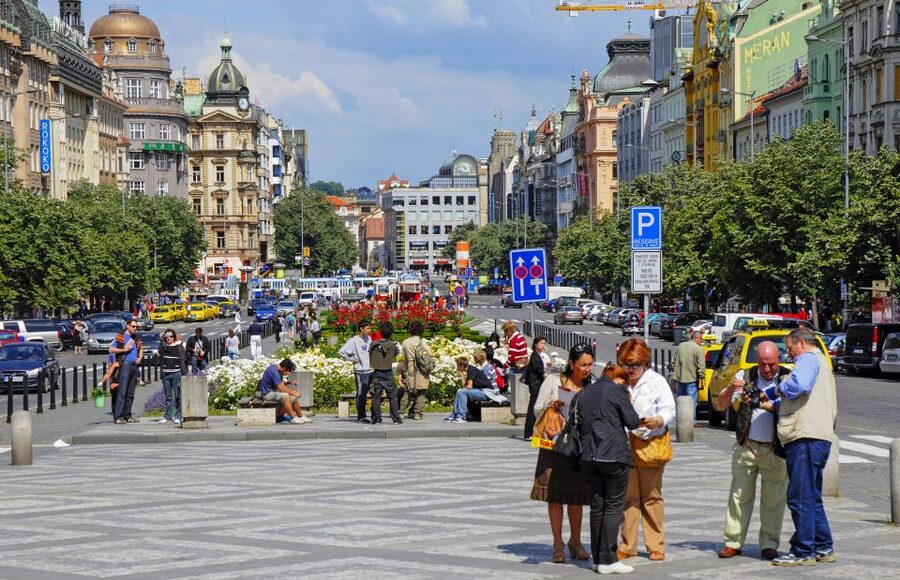
The route brings you to Wenceslas Square, and that is a natural stage for 20th-century politics. Even if you have seen the square on a quick Prague overview, here it has a second life. The guide connects what you see now with what was at stake when the city was under pressure from larger powers.
This is also where the tour’s story widens. You hear about the post-war period of the Cold War and the Iron Curtain, plus how political pressure shaped what people could read, discuss, and say out loud. The best part is the way the guide makes the tension understandable without turning the tour into a lecture.
You will also get the kind of context that makes other Prague monuments and plaques easier to read later. Once you have the framework, the rest of the city starts making political sense.
Republic Square and Czechoslovakia: The Story Behind the Map
Next you head toward Republic Square and then finish in the broader Prague center. This is where the tour connects the dots for many first-time visitors: the creation of Czechoslovakia.
Understanding how Czechoslovakia came about helps you interpret the rest of the century with less confusion. You start to see why the country’s later splits and occupations felt so destabilizing. It also explains why 20th-century Czech and Slovak identity politics can still matter in the present day.
This part of the walk is not only about big decisions. It also helps you understand how ordinary people lived with shifting borders, shifting alliances, and propaganda. If you like history that explains cause and effect, this stop tends to land well.
Another way the same evening in Prague could go:
Stalin’s 30-Meter Statue: When Propaganda Becomes Monument
One of the tour’s most striking promised moments is seeing the 30-meter tall statue of Stalin. That is not just a fact to check off. It is a statement you can read with your body. Standing near something that large, you understand how Communist power wanted to feel permanent.
The guide uses this moment to talk about the Communist Revolution after WWII, the Russian Occupation, and the way ideology was built through public symbols. This is the section where you might feel a little uncomfortable in the best possible way, because you are looking at a piece of history that was meant to intimidate and persuade.
If you are sensitive to dark themes, it helps to know this tour is serious. It is not a light stroll through politics. The point is to connect Prague’s architecture to the pressures people faced.
The Nazi to Communist Thread: Gestapo Streets, Book Burning, and Resistance
A major theme of the tour is walking streets Nazis once occupied, then following the story into Communist control and beyond. You hear about life under Communism and also how censorship worked in practice.
The tour specifically references harsh cultural repression, including blacklisted books being burned. That detail matters because it shows you what regimes feared. It was not just armed resistance. It was ideas, education, and memory.
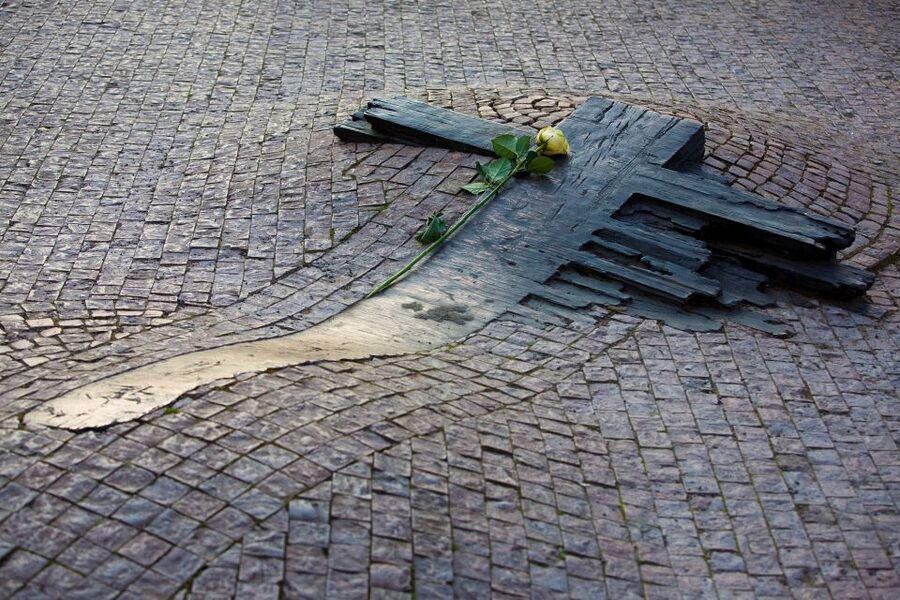
You also learn why Jan Palach set himself on fire, which is one of the tour’s most emotionally heavy moments. The guide places it in the broader context of occupation and political despair. Even if you have heard Palach’s name before, hearing the surrounding story makes him feel less like an abstract figure and more like someone responding to a specific moment.
And then there is the long arc toward change, including the Velvet Revolution. That is the payoff: the tour does not end only with fear and control. It points toward how and why people pushed back.
One more thread that can come up, depending on how your guide tells the story, is the mention of figures tied to repression and resistance, such as Reinhardt Heydrich (often called the butcher of Prague) and Milada Horáková. These names help turn the era into characters, not just policies.
The Museum of Communism Option: A Good Follow-On (Not a Full Replacement)
The tour includes a 10% discount coupon for the Museum of Communism. And if you choose the museum option, you get a museum entry ticket included.
This matters because the walking story gives you orientation, but a museum can help you anchor details. The combination is practical if you want something you can return to later in your mind: objects, documents, and timelines that support what the guide has been explaining on the street.
One note to keep you realistic: some people found a film component within the experience a bit repetitive. If you are the type who gets impatient with videos, you might focus more on the guide’s street explanations during the walk and treat any film as a brief supporting step rather than the core experience.
Duration and Group Feel: Two Hours That Move Fast
The tour runs about 2 hours. That is a short window for this much subject matter, so pacing matters. Expect a steady flow of story, not a slow sit-and-stare style tour.
Group size can vary. I have seen it described as small at times, which is a plus because it tends to make questions easier to ask. If you like clarifying details as you go, this format can work well.
If you are traveling with family, you might want to judge your group’s interest level first. This is a knowledge-focused walk. The value is understanding political cause and effect, not just seeing Prague landmarks.
Price and Value: What You Get for $29
At $29 per person for a 2-hour guided walk, the value is strongest when you actually care about 20th-century history. For the price, you get a local guide leading you through an intentional route, with major moments built into the narrative: pre-WWII events, Nazi occupation streets, Stalin’s statue, Communism, censorship, and the shift toward the Velvet Revolution.
You also have a modular option with the Museum of Communism: the museum ticket is included only if you select that option, but you still get a discount coupon. That gives you flexibility. If you want a deeper follow-up after the walk, you have a ready next step.
If your main goal is a scenic Prague stroll with light explanations, you might not feel the price is “worth it.” But if you want context that turns plaques, squares, and statues into meaning, this one is priced in a way that makes sense.
Should You Book This Prague Communists and World War II Tour?
I think you should book this tour if you want Prague to mean more than architecture. This walk helps you connect the dots across WWII, Communist control, and the Cold War in a way that is easy to carry around after you leave. The focus on streets tied to occupation plus the emotional weight of symbols like Stalin’s statue makes the subject concrete.
I would skip or think twice if you dislike dark themes or you want a more relaxed, sightseeing-only day. Also, because the guide uses an orange umbrella at the meeting point, plan to arrive a little early so you can find your group quickly.
If your ideal Prague day is part stories, part understanding, and part walking through the places where politics literally shaped the city, this is a strong choice.
FAQ
How long is the Prague Communists and World War II tour?
It lasts 2 hours.
Where do I meet the guide?
Meet at Křižovnické náměstí, in front of the Charles Bridge at the Charles Bridge area, next to the Statue Charles IV. The guide will hold an orange umbrella.
What languages are available for the live guide?
The live guide is offered in German, Russian, and English.
Is the Museum of Communism included?
The Museum of Communism entry ticket is included only if the museum option is selected. You also receive a 10% discount coupon for the Museum of Communism.
What should I bring, and is anything not allowed?
Wear comfortable shoes. Alcohol and drugs are not allowed.
Can I cancel for a refund?
Yes. Free cancellation is available up to 24 hours in advance for a full refund.
Just written up in Prague
- Private Transfer from Prague to Regensburg★ 5.0 · 1 review
- Prague: TV Tower Ticket & Novi Grad Digital Tour★ 5.0 · 1 review
- Prague to Dresden’s Old Town, Zwinger & Frauenkirche by Car★ 3.0 · 1 review
- Prague to Český Krumlov Private Guided Tour – With Mike★ 5.0 · 1 review
- Prague to Munich Private Transfer with 2 hours sightseeing★ 5.0 · 1 review
- Prague: 3-Hours Wars & Totality Guided Walking Tour★ 5.0 · 1 review
- Prague to Berlin Private Transfer with Optional Sightseeing★ 5.0 · 1 review
- The Plague Doctor of Prague: Self-Guided Mystery Puzzle Walk★ 3.0 · 1 review
Prague WWII Tours, compared.
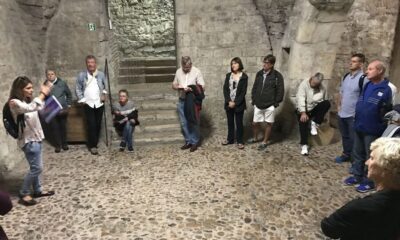
WWII Guided Tour & The Crypt of Operation Anthropoid
Read our review →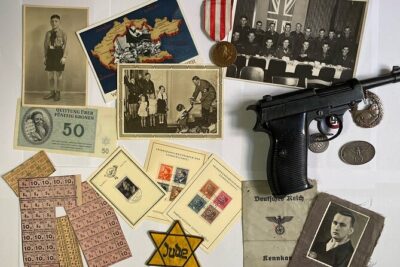
WWII in Prague Tour & The Crypt of Operation Anthropoid
Read our review →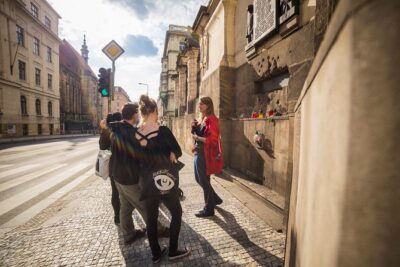
Small-Group World War 2 & Operation Anthropoid Tour in Prague
Read our review →
World War 2 and Operation Anthropoid Walking Tour
Read our review →
Terezin In-Depth Holocaust Tour From Prague’s Center (max 7 pax)
Read our review →
Second World War & Communism (Tip-based 3 hour tour)
Read our review →Browse the lists this tour appears in