
Reviewed · PRAGUE WWII TOURS
Prague: WWII Tour with Local Historian SMALL GROUP
Prague turns WWII into a street-level story. This 150-minute small-group tour links real buildings to big wartime turning points, from Reinhard Heydrich’s rise to the assassination and fallout. I especially liked how the guide makes Operation Anthropoid feel immediate by steering you toward the exact sites tied to the resistance.
The second thing I liked: the storytelling is handled by a local historian who can slow down when you want context. One drawback to plan for: this is heavy subject matter, and the tour is not set up for very young kids or people needing an easy, low-intensity outing.
In This Review
- Key highlights you will actually feel walking
- Why this WWII walk works in Prague
- Starting at Vaclavske namesti, then letting the city narrate
- Heydrich and the fall that changed everything
- Operation Anthropoid, the Parachutists Church, and bullet holes you can see
- The 1945 Prague shock wave, bombing and the uprising
- Nicholas Winton and the Kindertransports rescue of 669 children
- Former Gestapo headquarters and what secrecy means in a city
- A practical walking route: how the tour uses transit without killing your focus
- Who this tour suits best, and who should reconsider
- Price and value: what $65 gets you in 150 minutes
- What to expect from the guide, including names you might meet
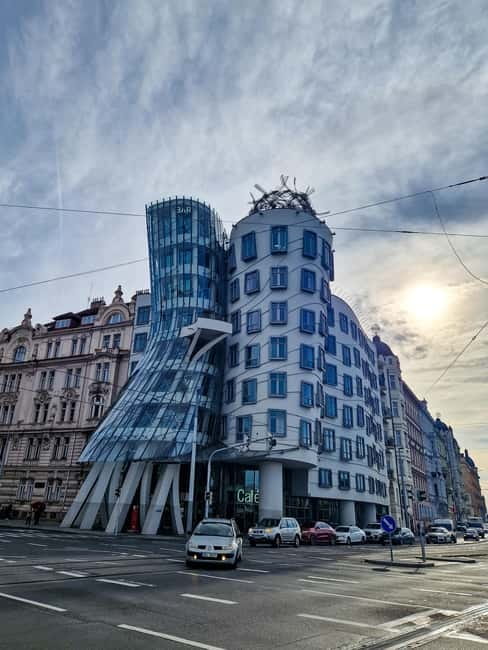
- Finish near the Dancing House, then keep the story with you
- Should you book this WWII tour?
- FAQ
- How long is the tour?
- Where do I meet, and where does the tour finish?
- How big is the group?
- What is included in the price?
- What language is the tour in?
- Who should not book, and can I change plans?
Key highlights you will actually feel walking
- Small group of up to 7, with a friendly, person-to-person approach
- Heydrich and the Butcher of Prague story, including what his death meant
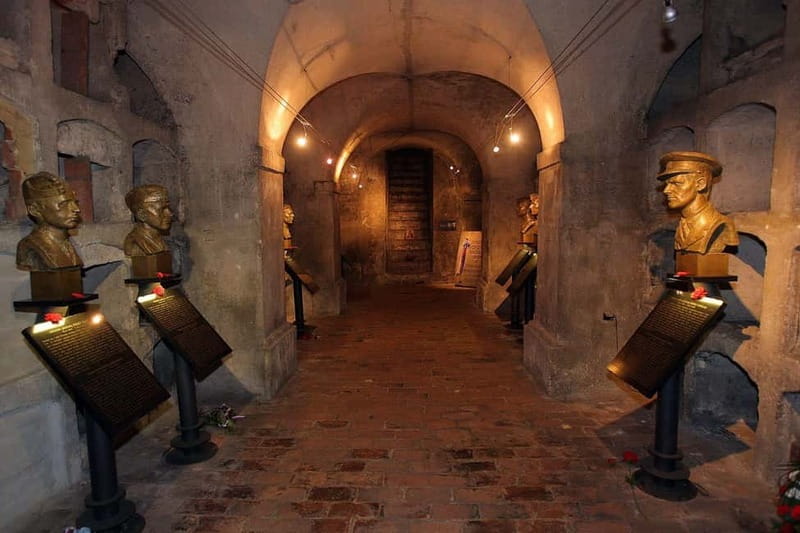
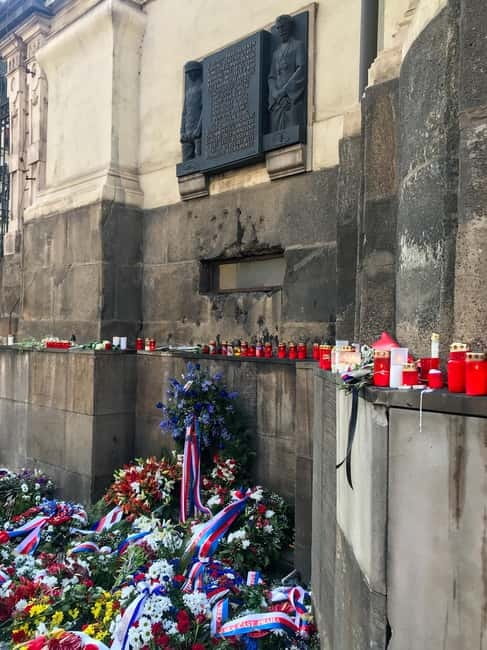
- Operation Anthropoid at the Parachutists Church, where you can see bullet holes
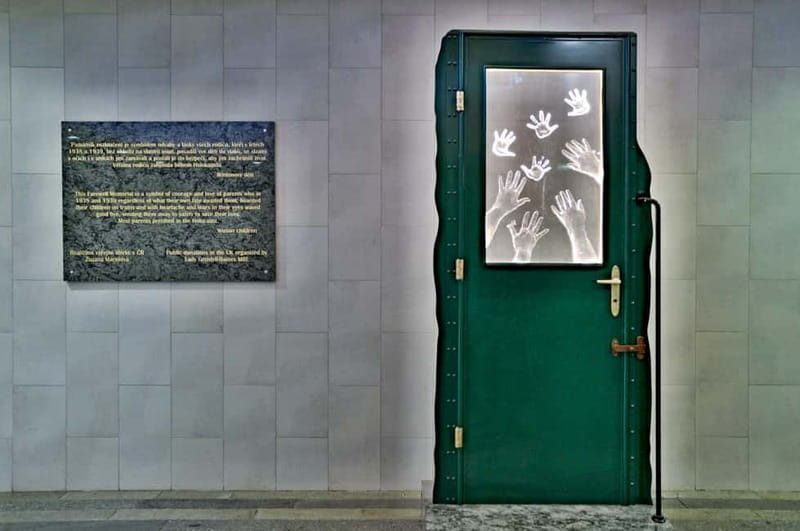
- Nicholas Winton and the Kindertransports rescue of 669 Jewish children
- 1945 Prague shocks, from bombing to the uprising, plus the former Gestapo headquarters
Why this WWII walk works in Prague
Prague can be beautiful in a way that makes history feel easy to file away. This tour interrupts that. You walk through the city as if it is a timeline, with the guide connecting each stop to a specific wartime moment, not vague background.
The best part is the pacing. At 150 minutes, it is long enough for real context, but not so long you lose the thread. And because the group is limited to 7, you are not forced into a one-size-fits-all script.
Other wartime walks through Prague:
- Prague: WWII Guided Tour & The Crypt of Operation Anthropoid
★ 4.7 · 1,030 reviews - WWII in Prague Tour & The Crypt of Operation Anthropoid
★ 5.0 · 817 reviews - Small-Group World War 2 & Operation Anthropoid Tour in Prague
★ 5.0 · 231 reviews
Starting at Vaclavske namesti, then letting the city narrate
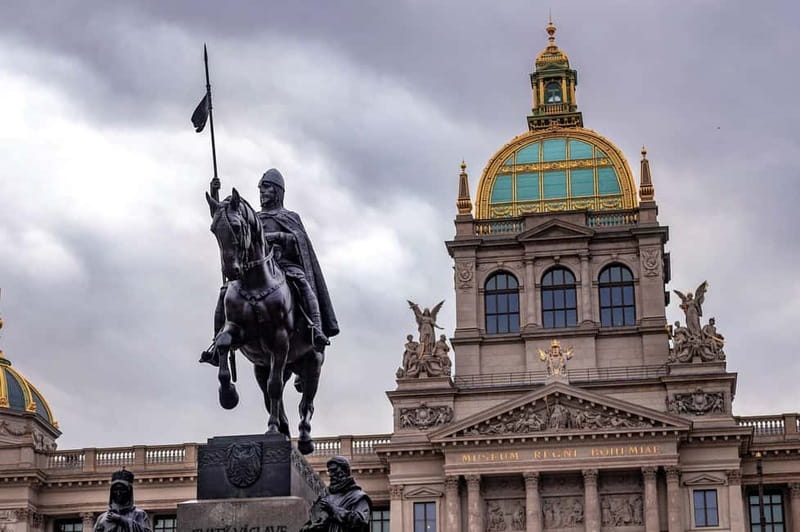
You begin at the Statue of Saint Wenceslas on Vaclavske namesti, right by the National Museum. It is a solid meeting spot, and the instructions even point out a nearby landmark like McDonalds to help you orient fast.
From there, the guide sets up the core idea: Prague under occupation had layers, laws, fear, and resistance living side by side. You are not just seeing sites, you are learning how the occupation reshaped everyday movement through the city.
If you want to get value from this tour, come with comfortable shoes. You are walking, and you will be expected to stand at key points long enough for the story to land.
Heydrich and the fall that changed everything
A major focus is Reinhard Heydrich, described as a top Nazi figure and known as the Butcher of Prague. The tour also frames his role as part of the system behind mass persecution, so you understand why his killing mattered beyond one dramatic event.
What I like about this segment is the way it ties motive to place. You hear why Heydrich became such a central threat, then you move toward the story’s turning point: the assassination plot known as Operation Anthropoid.
Even if you think you already know the headlines, this approach tends to sharpen the details. It gives you the before and after logic, so the moment is easier to understand when you reach the key locations.
Operation Anthropoid, the Parachutists Church, and bullet holes you can see
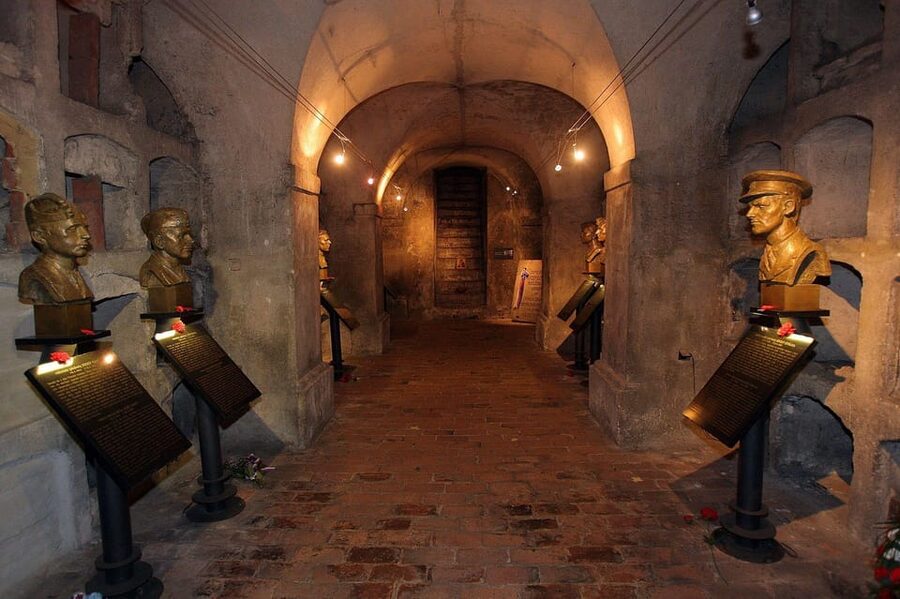
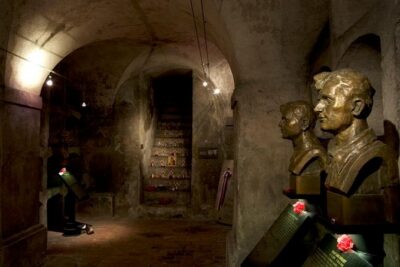
Operation Anthropoid is where the tour gets most physical. Instead of talking abstractly about resistance, you visit the Parachutists Church, and you can see the bullet holes associated with the events there.
This is one of those experiences where the city stops being postcard Prague. The guide helps you read the site like evidence, and you start to grasp how small actions and tight timing shaped who lived, who hid, and who was caught.
Important note: this stop includes entrance to the paratroopers church. The tour also lists skip-the-ticket-line, so you should expect less time waiting around and more time with the story.
The 1945 Prague shock wave, bombing and the uprising
Next comes the wider collapse in 1945. The tour covers the bombing of Prague in 1945 and the Czech national uprising that followed, both of which brought sudden danger to streets that had already lived through years of control.
What makes this section valuable is balance. The guide does not treat the uprising as a simple good-versus-bad movie beat. Instead, you get the sense of pressure building until there is a breaking point, then you see how the aftermath reshaped the city.
If you prefer history that explains consequences rather than just facts, you are going to appreciate this chunk. It helps you connect the resistance story to the larger catastrophe, not treat them as separate chapters.
Another way the same evening in Prague could go:
Nicholas Winton and the Kindertransports rescue of 669 children
One of the tour highlights is Nicholas Winton, the rescuer tied to the Kindertransports. The tour specifically calls out the rescue of 669 Jewish children and links the story to the movie One Life, which many people recognize.
I like that the tour changes tone here without treating it like a relief moment. It is hope with hard edges. You learn how planning, paperwork, and urgency could translate into real lives saved, even while the broader war situation kept getting worse.
This stop also makes the tour feel more rounded. Not every moment in WWII history is an attack or a roundup. Some of the most meaningful stories are about escape routes and human decisions made under pressure.
Former Gestapo headquarters and what secrecy means in a city
You also visit the former Gestapo headquarters, described as a place tied to secrets and shadows. The value here is how it reframes architecture. The building is not just a background for photos, it becomes a clue about how control worked.
The guide uses the site to explain how occupation systems relied on surveillance and fear. You come away with a clearer understanding of how resistance was risky, because danger was not random. It was organized.
This is also where the small-group format helps. When a guide can answer questions directly, you can push for clarity on terms like hierarchy, intelligence, and why certain operations were so high stakes.
A practical walking route: how the tour uses transit without killing your focus
The tour includes a Prague public transport ticket, and that matters more than it sounds. In a compact historical itinerary, transit helps you keep momentum and spend your time listening instead of wrestling with timing.
The overall structure stays city-smart: start at Saint Wenceslas on Vaclavske namesti, then work through the wartime story, and finish near the Dancing House. Finishing at a recognizable, modern landmark is a clean contrast point, especially after you have been thinking about 1945 and occupation for the full 2.5 hours.
If you like guided experiences that still feel efficient, this one hits the mark. You are not stuck wandering, and you are not rushed through stops either.
Who this tour suits best, and who should reconsider
This works best for adults and older teens who want WWII history with real place-based storytelling. It is also a good fit if you enjoy guides who can explain the context behind famous events like Heydrich’s assassination and Operation Anthropoid.
It is not built for everyone. The tour data says it is not suitable for children under 10, pregnant women, people with mobility impairments, and wheelchair users. Also, while the listing says wheelchair accessible, it simultaneously says not suitable for wheelchair users, so you should take that as a signal to confirm accessibility details directly with the operator before you go.
If you want the emotional tone to be lighter, you might not love this. If you want the truth of what happened, told carefully and connected to the city’s actual sites, you will likely feel the value fast.
Price and value: what $65 gets you in 150 minutes
At $65 per person for 150 minutes, the cost is not trying to be cheap. What makes it feel more like a fair deal is what is included: a local historian guide, public transport, entrance to the paratroopers church, water, and all fees and taxes.
For this kind of topic, the guide matters. A WWII walk lives or dies on interpretation, not just on the ability to point at buildings. The reviews also highlight expert, passionate guiding, including guides named Gerry and Jiri, with an emphasis on storytelling quality.
So the value calculation is simple. If you want a guide to connect Heydrich, Operation Anthropoid, Winton’s Kindertransports, and the 1945 events to the actual locations, you are paying for that expertise plus the bundled logistics. If you prefer self-guided history and already know the material well, you could do it on your own for less. But you would be giving up the straight-line narrative that makes the city’s wartime story click.
What to expect from the guide, including names you might meet
The experience is led by local historians under Local Historian Tours. The reviews mention strong performance from guides named Gerry and Jiri, both described as expert and natural storytellers who made the city and sights feel personal and alive.
That matters because WWII history can become a lecture. A good guide keeps it human, clarifies the connections, and gives you time to take it in. This tour is built for that, especially with the small group cap of 7.
You should also expect a “sites plus story” approach. This is not a stop-and-stare photo walk. The points are chosen because they connect to the narrative, such as the Parachutists Church bullet holes and the former Gestapo headquarters.
Finish near the Dancing House, then keep the story with you
By the time you reach the Dancing House, you have covered a lot of ground in a short time. The finish matters because it resets your senses. One minute you are in 1945 pressure and occupation fear, and the next you are standing in a modern Prague landmark that has nothing to do with the war.
That contrast helps the whole tour stick in your mind. Instead of forgetting after your photos, you remember the logic of how occupation, resistance, and survival played out across the city.
Should you book this WWII tour?
Book it if you want WWII history that feels grounded in specific Prague locations, not just a textbook timeline. The small-group cap plus the entrance to the Parachutists Church and the included transit ticket make it a practical way to spend a focused 2.5 hours.
Skip it or research closely if you need a very easy walk, if you fall into the not-suitable categories listed, or if the topic would be too intense for your comfort. And if you are unsure about accessibility due to the mixed notes, contact the operator before committing.
If you like guides who can turn famous events into a clear story tied to what you see, this is one of the better bets for Prague’s WWII side.
FAQ
How long is the tour?
The tour duration is 150 minutes.
Where do I meet, and where does the tour finish?
You meet at the Statue of Saint Wenceslas at Vaclavske namesti, in front of the National Museum. The tour finishes at the Dancing House.
How big is the group?
The group is a small group with a limit of 7 participants.
What is included in the price?
The price includes a local guide, a Prague public transport ticket, entrance to the paratroopers church, skip-the-ticket-line service, water, and all fees and taxes.
What language is the tour in?
The live tour guide is English.
Who should not book, and can I change plans?
The tour is not suitable for children under 10, pregnant women, people with mobility impairments, and wheelchair users. Booking is flexible, with free cancellation up to 24 hours in advance for a full refund, and a reserve now & pay later option is offered.
Just written up in Prague
- Private Transfer from Prague to Regensburg★ 5.0 · 1 review
- Prague: TV Tower Ticket & Novi Grad Digital Tour★ 5.0 · 1 review
- Prague to Dresden’s Old Town, Zwinger & Frauenkirche by Car★ 3.0 · 1 review
- Prague to Český Krumlov Private Guided Tour – With Mike★ 5.0 · 1 review
- Prague to Munich Private Transfer with 2 hours sightseeing★ 5.0 · 1 review
- Prague: 3-Hours Wars & Totality Guided Walking Tour★ 5.0 · 1 review
- Prague to Berlin Private Transfer with Optional Sightseeing★ 5.0 · 1 review
- The Plague Doctor of Prague: Self-Guided Mystery Puzzle Walk★ 3.0 · 1 review
Prague WWII Tours, compared.
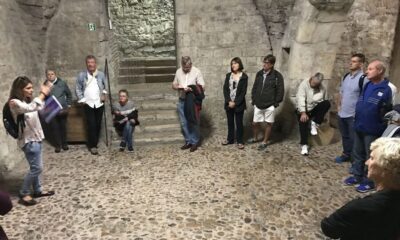
WWII Guided Tour & The Crypt of Operation Anthropoid
Read our review →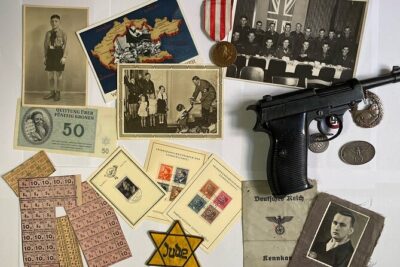
WWII in Prague Tour & The Crypt of Operation Anthropoid
Read our review →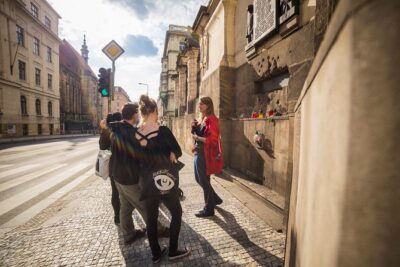
Small-Group World War 2 & Operation Anthropoid Tour in Prague
Read our review →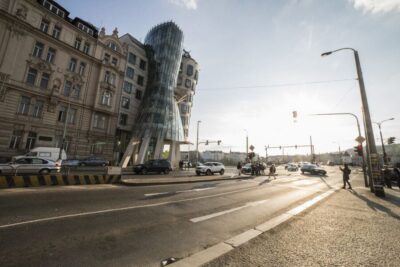
World War 2 and Operation Anthropoid Walking Tour
Read our review →
Terezin In-Depth Holocaust Tour From Prague’s Center (max 7 pax)
Read our review →
Browse the lists this tour appears in