
Reviewed · PRAGUE GUIDED WALKING TOURS
Prague: Historical Walking Tour with Focus on World War 2
Prague history gets real fast. This 3-hour walk is built around World War 2 and the Czech perspective, with the guide turning street corners into cause-and-effect stories rather than trivia. I especially like the way it pairs on-the-ground stops with a clear theoretical introduction, so you can actually follow what happened and why.
The second reason I like it is the emotional, well-paced focus at the Gestapo headquarters, including a minute of silence. The main drawback to plan for is that the pace can feel brisk, and if you expect deep, site-by-site architectural commentary at every famous square, you may want a bit more detail than this tour’s structure provides.
In This Review
- Key things that make this tour worth your time
- Why a Prague WW2 walk with Czech focus hits different
- Meeting outside Skautský Institut, then getting oriented quickly
- The lecture setup: how the guide builds the World War 2 story
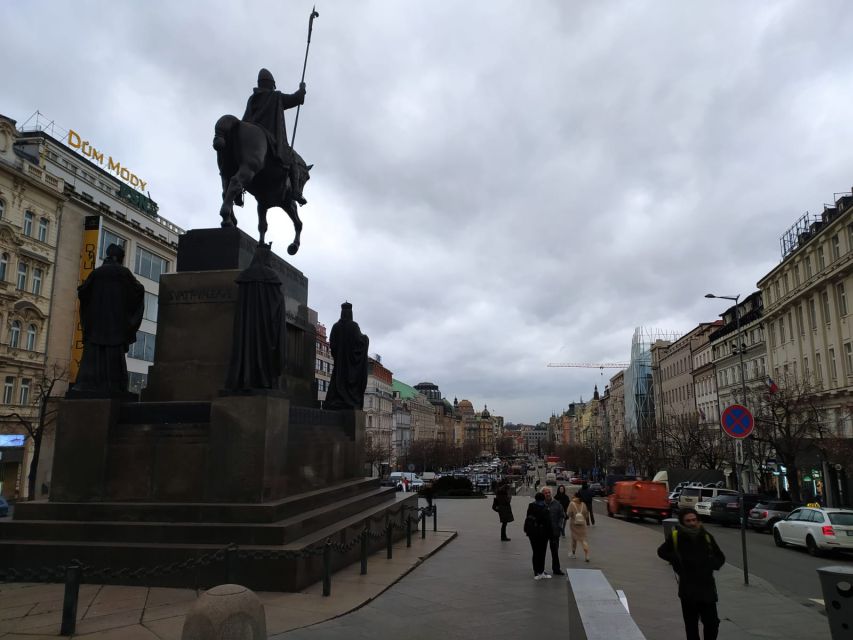
- Old Town Square and Wenceslas Square: the Prague Uprising through the street map
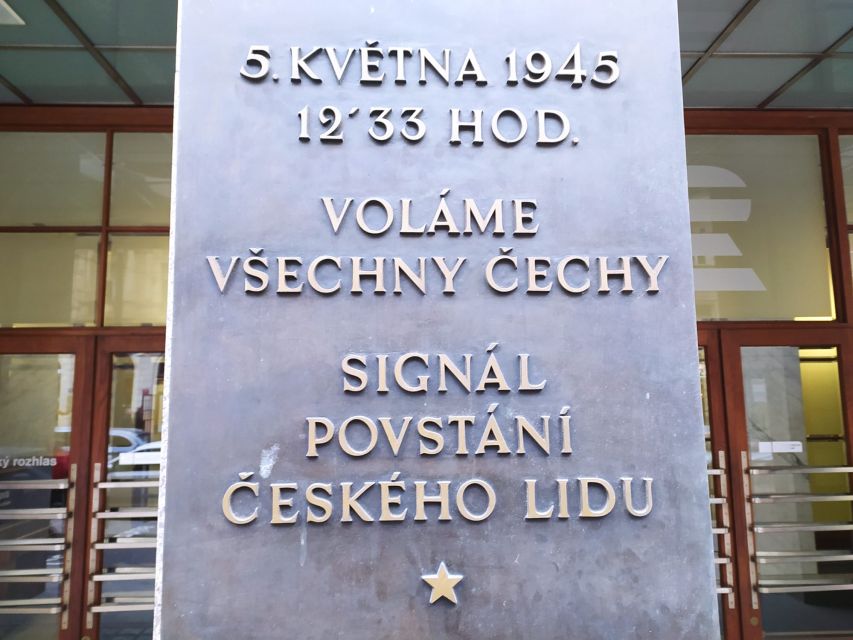
- Czech Radio Headquarters: why a media site belongs in a resistance story
- Former Gestapo headquarters: a memorial stop that changes the mood
- Heydrich assassination: turning a major event into a walkable story
- The crypt beneath a church: when resistance history becomes physical
- Photos with professional comments: how you remember what you learn
- Price and 3-hour timing: does $58 feel fair?
- Who should book this tour, and who should skip it
- Should you book Spectrum Tours for Prague’s WW2 walking tour?
- FAQ
- How long is the Prague Historical Walking Tour with a focus on World War 2?
- How much does the tour cost?
- Where do I meet the guide?
- Where does the tour finish?
- What languages is the tour offered in?
- Is the tour wheelchair accessible?
- What should I bring?
- Is it suitable for children?
Key things that make this tour worth your time
- World War 2 explained in Czech context, not just a generic timeline
- Reinhard Heydrich assassination history, tied to the places you can stand in today
- A respectful stop at the former Gestapo headquarters with a memorial moment
- Prague Uprising fight zones around Old Town Square, Wenceslas Square, and the Czech Radio area
- A crypt beneath a church tied to the last resistance and death, described as especially impressive
- Lots of photos shown by the guide, with professional commentary to connect past and present
Why a Prague WW2 walk with Czech focus hits different
Prague can look like a postcard. That makes a historical tour like this feel even sharper, because you are walking through the real setting of real violence and resistance. The difference here is that the storytelling keeps returning to what it meant in Czechoslovakia, where occupation, repression, and uprisings shaped ordinary lives.
I like that this tour does not try to do everything. It concentrates on a few critical threads of World War 2 in Prague, then follows those threads through the most meaningful locations. When the guide explains the logic of events first, the later stops feel less like sightseeing and more like understanding.
You will also notice the tour is designed for comprehension, not just endurance. The format includes a lecture component, followed by physical visits to the sites connected to major episodes such as the Prague Uprising and the Heydrich assassination.
Other wartime walks through Prague:
- Prague: WWII Guided Tour & The Crypt of Operation Anthropoid
★ 4.7 · 1,030 reviews - WWII in Prague Tour & The Crypt of Operation Anthropoid
★ 5.0 · 817 reviews - Small-Group World War 2 & Operation Anthropoid Tour in Prague
★ 5.0 · 231 reviews
Meeting outside Skautský Institut, then getting oriented quickly
Your tour begins at the outside entrance door to Skautský Institut, in an archway area. The guide is holding a paper that says Spectrum Tours, which makes the meet-up easy to spot once you are there.
This matters more than you might think. A tight 3-hour tour lives or dies by how smoothly you start. If you are a slow starter, or if you arrive flustered, you lose time at the start when the guide is setting the historical framework. So give yourself a little buffer, then bring comfortable shoes because you will be on your feet for the full walk.
The tour ends in the New Town area, at Resslova 9a, 120 00 Prague 2-Nové Město. That end point is useful if you plan to continue exploring nearby neighborhoods after the tour, rather than needing to scramble across the city.
The lecture setup: how the guide builds the World War 2 story
A big part of what you are paying for here is the theoretical introduction. Instead of jumping straight to sites, the guide lays out the World War 2 problem set in a practical way, with details on Czech history to connect the dots.
If you have ever felt that history tours cover names but not meaning, you will probably appreciate this structure. When you know the background, it becomes easier to interpret why certain buildings mattered, why resistance formed when it did, and why specific events triggered heavier crackdowns.
Expect the guide to use photos during the walk as well. That approach helps you picture what changed, especially when a location you see today looks calm. In Prague, that contrast can be jarring in the best way.
Also, the tour’s pace assumes you can follow along while walking. One review praised a guide’s friendliness and punctuality, and another stressed that you need quick legs to keep up. If you prefer slow, long stops for photos and reading, you might find the schedule a touch fast.
Old Town Square and Wenceslas Square: the Prague Uprising through the street map
One of the tour’s core themes is the Prague Uprising in May 1945. You visit key locations tied to some of the heaviest fighting, and the guide uses the geography to explain how conflict moved through the city.
Old Town Square is the kind of place where tourists take photos without thinking about what happened nearby. The tour flips that habit. With the historical framing in place, you get a sense of why the city center mattered and how the uprising shaped the final days of the war.
Then you move to Wenceslas Square. This is where the tour helps you stop treating the boulevard like a mere landmark. The guide’s comments connect it to the uprising and the stakes for people living and fighting there.
Practical tip: both areas are famous and busy. Wear shoes that are good for uneven or crowded sidewalks, and plan to keep your eyes on the guide when you move from stop to stop. The whole experience works best when you stay in the walking rhythm.
Czech Radio Headquarters: why a media site belongs in a resistance story
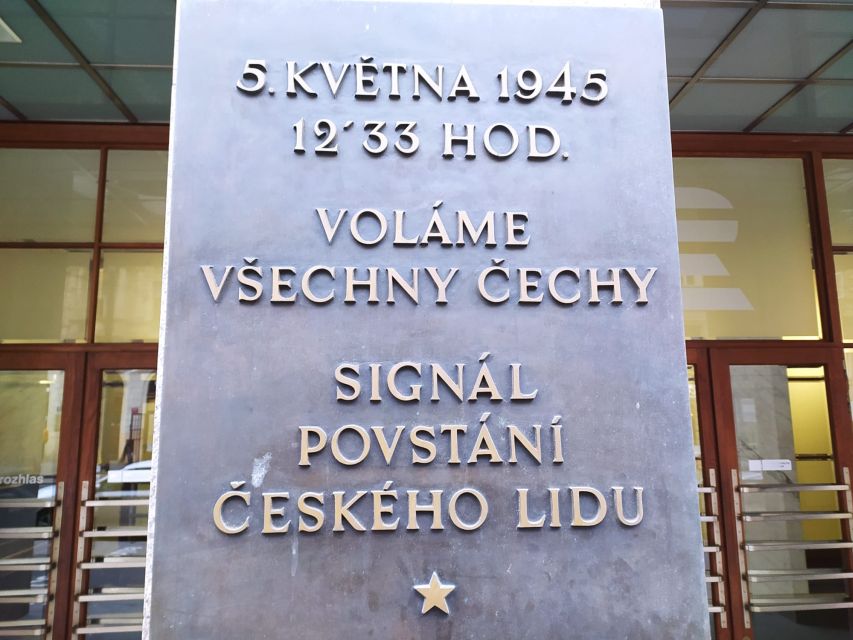
The tour also includes the Czech Radio Headquarters area, which is a powerful choice for a World War 2 theme. Even if you only think of radio as sound and entertainment, in wartime it becomes a tool for control and for messaging.
The guide treats this as part of the uprising landscape, not just a building you can point at. You get context on how communication mattered when decisions had consequences, and when resistance needed credibility and reach.
This is also a place where some people may want more room for explanation, since it is a well-known site with tourist expectations. One reviewer noted limited explanation and insights on some key tourist sites. If you tend to be detail-hungry at every stop, you may want to supplement with a guidebook after the tour.
More guided walks around the centre:
Former Gestapo headquarters: a memorial stop that changes the mood
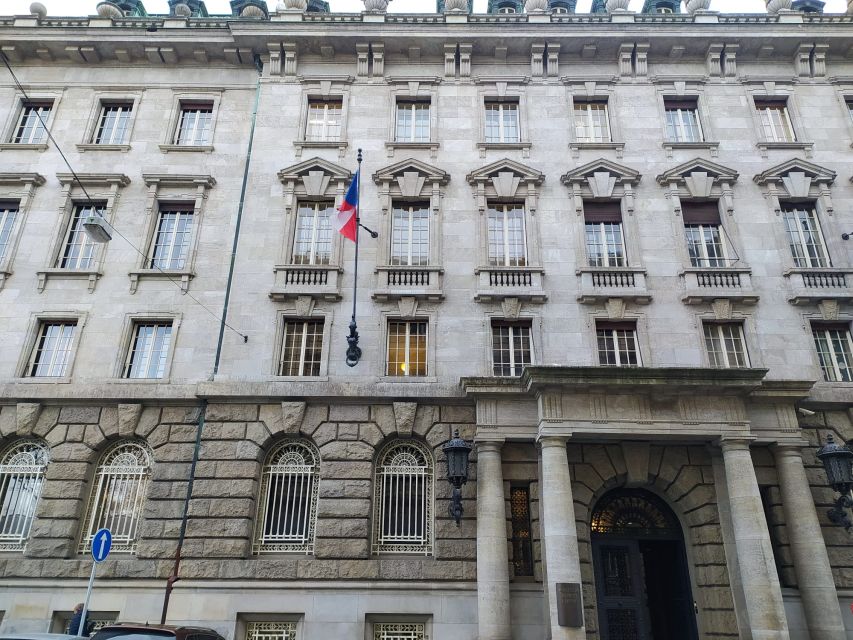
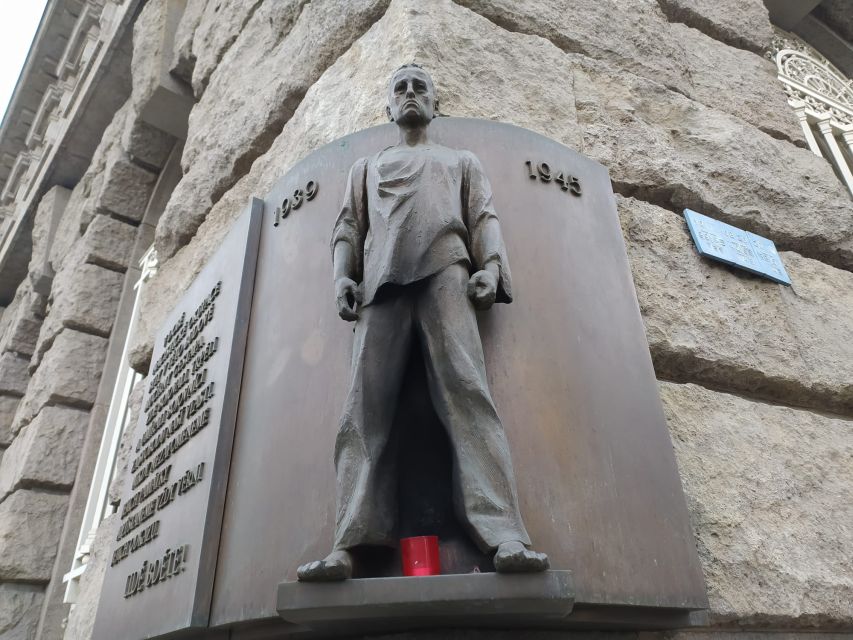
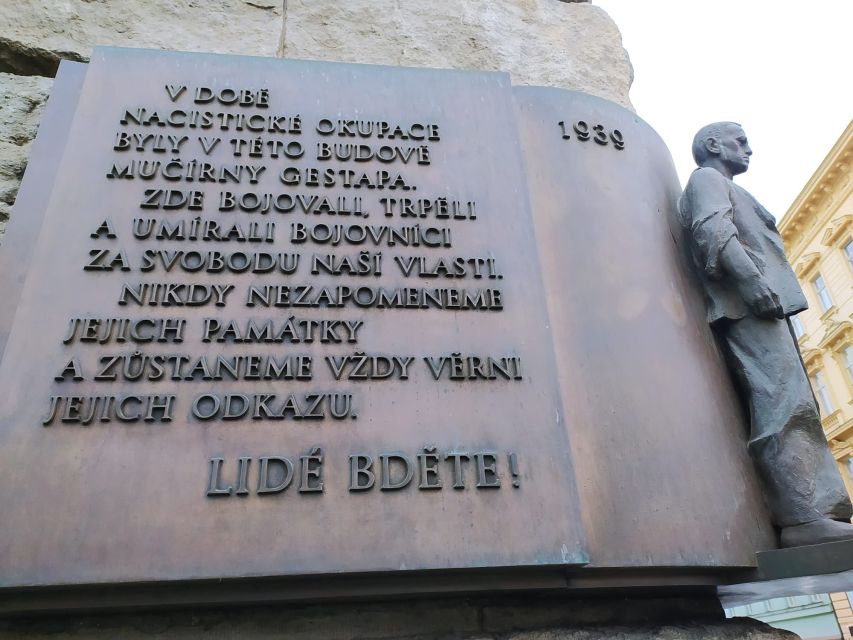
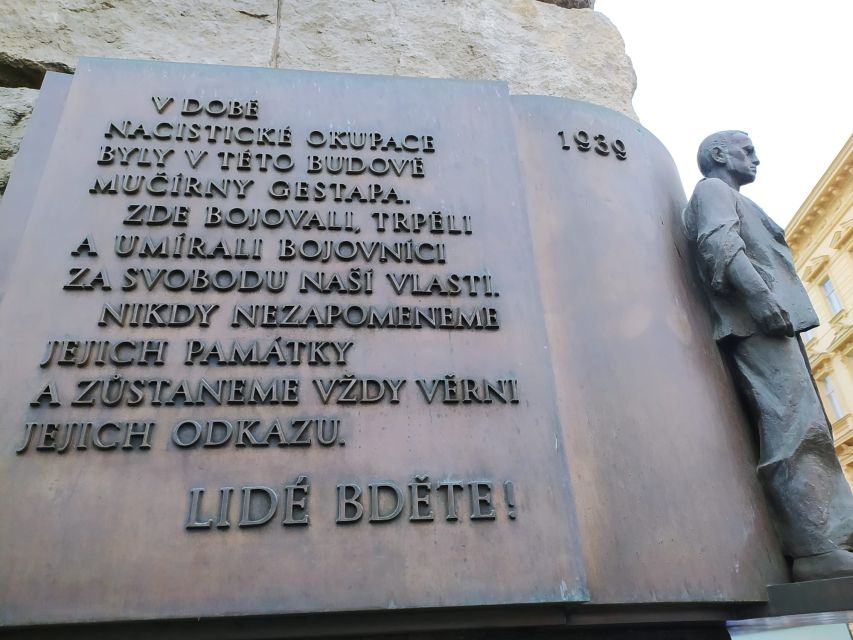
The former Gestapo headquarters is one of the most striking stops on the route. The tour includes a minute of silence at the memorial for the victims of Nazism. That moment is not a gimmick, it is the tour shifting gears from narrative to respect and remembrance.
This part is especially meaningful because it grounds the story in repression rather than only battles and politics. It reminds you that World War 2 was not only history lessons and heroic resistance, it was also fear, imprisonment, and systematic terror.
What you should do here is simple: slow down. Let the silence land. If you take photos during reflective moments, you might feel conflicted, and the best approach is to follow the mood of the guide and other group members.
In reviews, the quality people praised most often was how professionally the guide handled the material and how well explanations matched the sites. The memorial stop is where that professionalism becomes visible.
Heydrich assassination: turning a major event into a walkable story
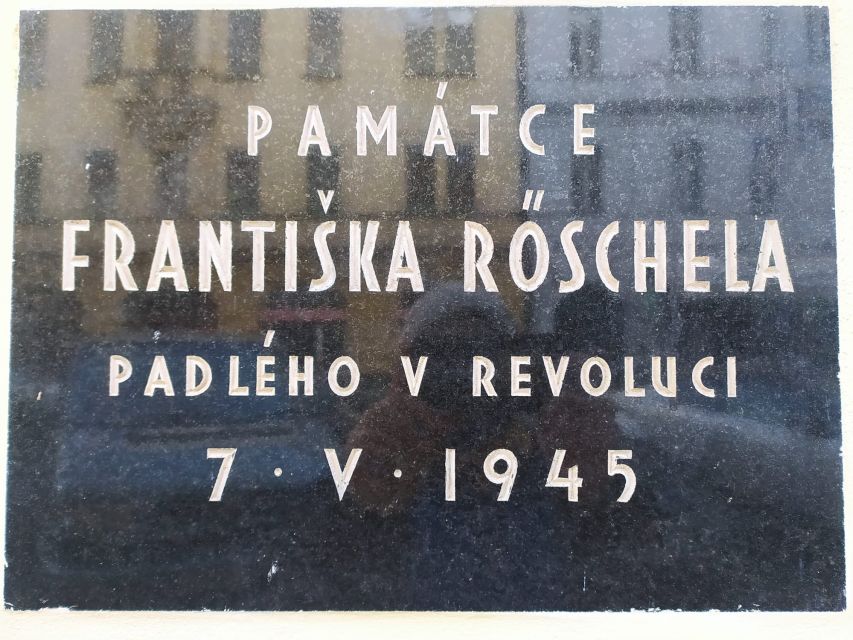
The tour covers the assassination of Reinhard Heydrich, described as one of the highest-ranked Nazis until 1942. This episode is famous, but what makes it tour-worthy is the surrounding context and the consequences.
Instead of treating the assassination like a movie scene, the guide places it within the larger conflict and within Czech realities. You do not just hear what happened, you learn why it mattered and how it fit into the resistance response.
This tour also includes the visit to the last resistance and death of members involved in it, which ties the event to individual sacrifice. That shift from an event to people you can mentally picture makes the story heavier, and in a good way it sticks.
The guide also uses photos and professional comments here, which helps when you are learning names, dates, and locations while walking through modern Prague. If you lose track easily, this tour structure can still work because visual anchors support the spoken timeline.
The crypt beneath a church: when resistance history becomes physical
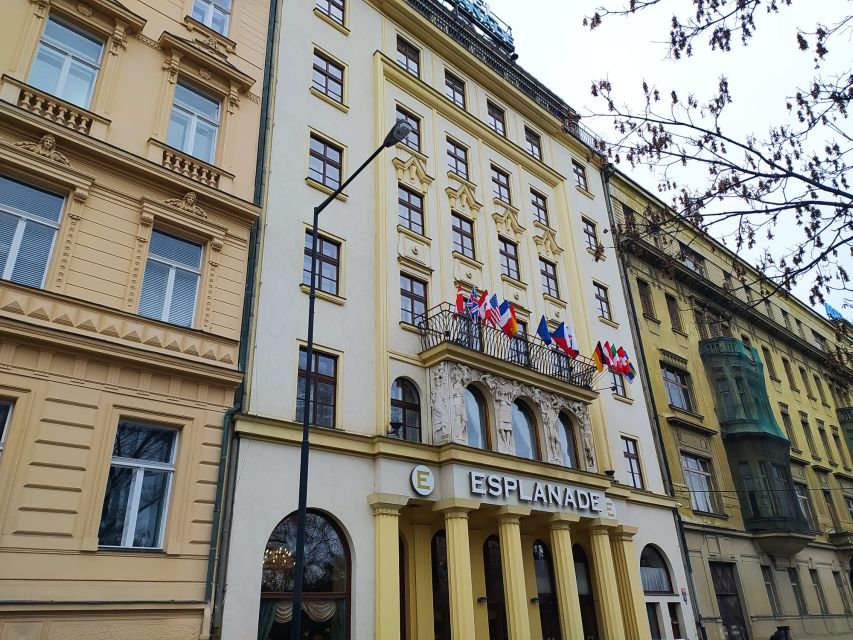
One stop stands out in the description: a crypt beneath a church, tied to the last resistance and death of the members involved in the Heydrich-related episode. The guide frames it as incredibly impressive, and the point is not just the setting.
This is the kind of place where you can feel the difference between official history and lived experience. Stories about resistance often stay abstract, but here you have a physical memorial space that forces the event to become concrete.
You should treat this like a solemn visit, not a photo opportunity. Wear layers if it tends to be cool inside, and keep your posture respectful. If your tour group is quiet, go with it. The atmosphere will do half the teaching.
Photos with professional comments: how you remember what you learn
A lot of this tour’s value comes from the way it uses photos during the walk. Seeing images alongside current streets helps you recognize change over time, especially when buildings have evolved or when the meaning of a location is not obvious from the outside.
I like that the guide’s comments are described as professional, because it signals a careful handling of sensitive material. A World War 2 tour can go wrong when it becomes either vague or too casual. Here, the format is built to keep the tone serious.
You may also notice the guide includes CZ history details during the lecture portion. That makes the photos less like decoration. Instead, they become part of explaining the situation in a way you can actually follow.
Price and 3-hour timing: does $58 feel fair?
At $58 per person for 3 hours, the biggest question is value. This is not just a casual stroll with a storyteller. You get a licensed local tour guide, a lecture-style introduction to World War 2 in a Czech-focused way, and multiple high-impact stops tied to key events.
You are also getting something that costs time: a memorial moment with a minute of silence, plus the Heydrich assassination segment and the Prague Uprising locations. Tours that skim only one theme can feel cheaper because they pack less responsibility into the guide’s narration. This one carries multiple heavy threads in a short timeframe, and that makes the price feel more justified.
If you enjoy fast, focused learning, this length fits well. If you prefer slow, lingering museum time, you might consider pairing the tour with an extra visit later, using what you learned as your map.
Languages offered are German, Czech, and English, which helps if you want to match your comfort level. There is also wheelchair accessibility listed, and private group options available if you want a smaller, more flexible feel.
Who should book this tour, and who should skip it
I think this tour is best for travelers who want understanding, not just sightseeing. If you are interested in Czech World War 2 history, resistance, and the Prague Uprising, you will likely feel satisfied because the stops are connected to major episodes rather than random landmarks.
You might want to skip it if you need a long, slow pace or you are traveling with very young kids. The tour is not suitable for children under 10, and the walking pace may not suit families looking for frequent breaks and extended explanations.
Also, if you are the type who expects deep storytelling at every famous site, be aware that some explanations may feel limited for certain tourist spots. The tour’s strength is the overall narrative, not maximum detail at each individual stop.
Should you book Spectrum Tours for Prague’s WW2 walking tour?
Yes, if you want a tight 3-hour experience that connects World War 2 events to real Prague locations, with Czech history kept front and center. The guide-led structure, photo support, and respectful memorial moment make it feel purposeful. It is also a good way to get oriented quickly before you explore on your own afterward.
I would only hesitate if you strongly prefer slow tours or you need extra time at major squares and landmarks. For you, a museum-heavy day might be a better fit.
If you do book it, plan for comfortable shoes, expect a serious tone, and give the guide your attention at the transitions. This tour works best when you treat it like walking through a story, not like collecting stamps.
FAQ
How long is the Prague Historical Walking Tour with a focus on World War 2?
The tour lasts 3 hours.
How much does the tour cost?
It costs $58 per person.
Where do I meet the guide?
Meet outside the entrance door to Skautský Institut in an archway. The guide will be holding a paper with Spectrum Tours written on it.
Where does the tour finish?
The tour finishes at Resslova 9a, 120 00 Praha 2-Nové Město, Czechia.
What languages is the tour offered in?
The live guide offers German, Czech, and English.
Is the tour wheelchair accessible?
Yes, the tour is listed as wheelchair accessible.
What should I bring?
Bring your passport or ID card and comfortable shoes.
Is it suitable for children?
No, it is not suitable for children under 10.
Centuries Along the Royal Route
- Prague: Oldtown, Medieval Underground & Dungeon History Tour
★ 4.3 · 10,277 reviews - Prague Old Town, Medieval Underground and Dungeon Historical Tour
★ 4.5 · 3,227 reviews - Prague: Communism History and Nuclear Bunker Guided Tour
★ 4.7 · 2,417 reviews - Prague: Historic City Center Bus Tour with Top Sights
★ 4.4 · 2,360 reviews
Just written up in Prague
- Private Transfer from Prague to Regensburg★ 5.0 · 1 review
- Prague: TV Tower Ticket & Novi Grad Digital Tour★ 5.0 · 1 review
- Prague to Dresden’s Old Town, Zwinger & Frauenkirche by Car★ 3.0 · 1 review
- Prague to Český Krumlov Private Guided Tour – With Mike★ 5.0 · 1 review
- Prague to Munich Private Transfer with 2 hours sightseeing★ 5.0 · 1 review
- Prague: 3-Hours Wars & Totality Guided Walking Tour★ 5.0 · 1 review
- Prague to Berlin Private Transfer with Optional Sightseeing★ 5.0 · 1 review
- The Plague Doctor of Prague: Self-Guided Mystery Puzzle Walk★ 3.0 · 1 review
Prague Guided Walking Tours, compared.
3-Hour Walking Tour of Old Town & Prague Castle
Read our review →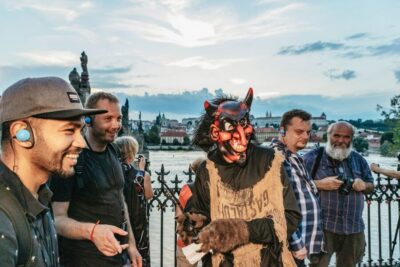
Ghost Walking Tour Where Legends Come To Life
Read our review →
Jewish Quarter Walking Tour with Admission Tickets
Read our review →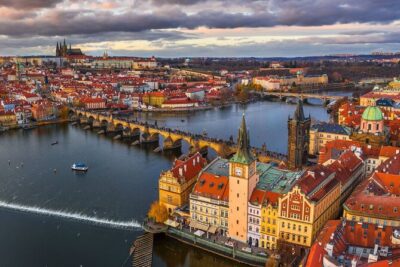
Prague Guided Walking Tour and Cruise with Authentic Czech Lunch
Read our review →
Old Town and Jewish Quarter Guided Walking Tour
Read our review →
Prague Ghost and Legend of Old Town Walking Tour
Read our review →
Prague 3-hour Afternoon Walking Tour including Prague Castle
Read our review →
Ghosts and Legends Nighttime Guided Walking Tour
Read our review →Browse the lists this tour appears in