
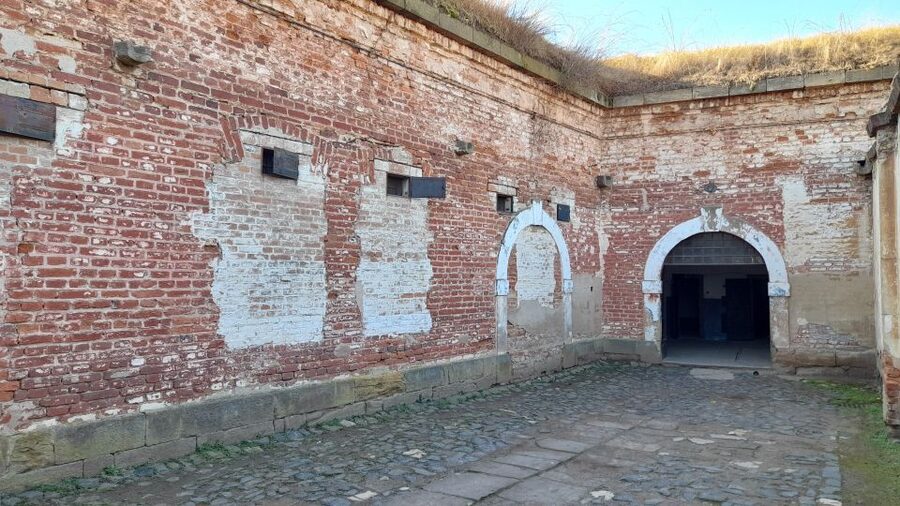
Reviewed · TEREZIN MEMORIAL DAY TRIPS FROM PRAGUE
Private Half-Day Tour To Terezin Concentration Camp
Silence has a history here. This private 5-hour Terezín tour from Prague gives you a guided walkthrough of the Small Fortress and Big Fortress, with a local guide who explains what you are seeing as you go.
I especially like how direct the route feels, from prisoner arrival spaces to the museum rooms and the crematorium area outside the walls. The main drawback is that the subject is heavy, and if you want extra solo time in the museum areas, the fixed half-day timing can feel a bit tight, as one guest noted they wished for more guide attention for the upstairs museum exhibits.
In This Review
- Key points at a glance
- A private half-day that respects the details
- Prague pickup and the real meaning of “half-day”
- Small Fortress: the Gestapo prison route you cannot skip
- The 10-minute propaganda film moment
- Big Fortress: the ghetto story and what the museum teaches
- Hidden chapel and synagogue: religion pushed into storage rooms
- Magdeburg barracks: culture where you expect only confinement
- Crematorium and mass graveyard: the last visual stop outside the walls
- Price and value: what you pay for at $316 per person
- Guides, languages, and the kind of questions you should ask
- Who this tour suits best
- Should you book this private Terezín tour from Prague?
- FAQ
- How long is the private half-day Terezín tour?
- Where does this tour run from?
- Is pickup included?
- Is this a private group tour?
- Which parts of Terezín are visited?
- Are entrance fees included?
- What languages are available for the live guide?
- Is the tour wheelchair accessible?
- Is there a cancellation option?
- Can I reserve and pay later?
Key points at a glance
- Private local guide: live commentary throughout, in your chosen language
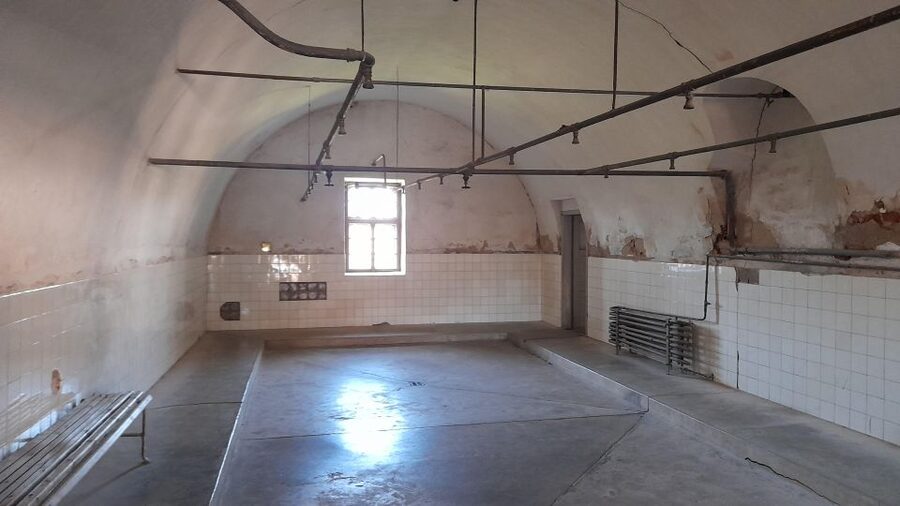
- Small Fortress walkthrough: mass cells, Jewish cells, solitary cells, tunnels, and shooting range
- Big Fortress context: Ghetto Museum plus the hidden chapel and Magdeburg barracks
- Memorial ending outside the walls: the crematorium (built in 1942) and nearby mass graveyard
- Practical from Prague: hotel or other pickup, car or minivan, entrance fee included
A private half-day that respects the details
Terezín is one of those places where you can easily feel lost. Signs help, photos help, but they cannot replace a person who can connect the dots fast and clearly. With this format, you get a guide who stays with you through the Small Fortress and Big Fortress, so you are not piecing together the story on your own while trying to stay emotionally steady.
You also get something practical: the visit is built around a logical sequence. You start with where people were processed and held, then move to the parts of the site tied to the Jewish ghetto, and finally you reach the crematorium area. It is a strong flow for a 5-hour day.
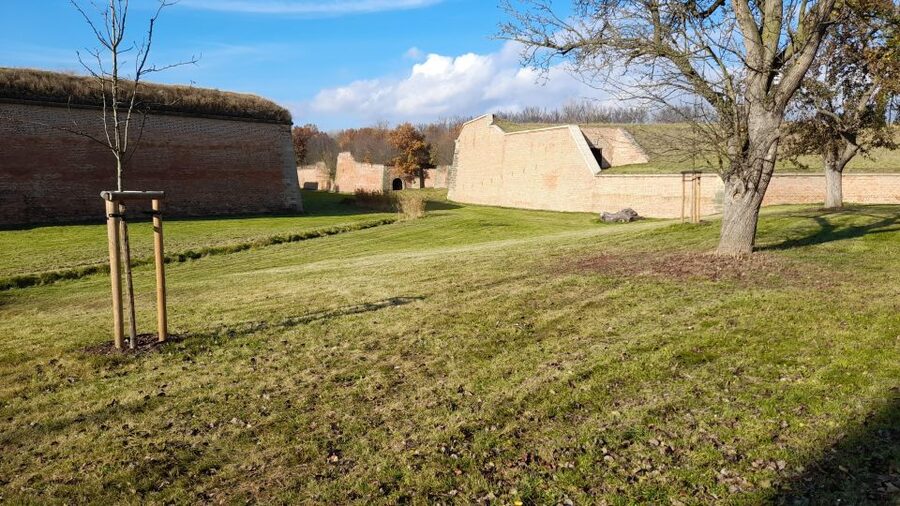
That structure matters because Terezín is not just one kind of place. It was a military fortress built in the 18th century that the Nazis repurposed during World War II. The Big Fortress functioned as a ghetto-concentration camp for Jews. The Small Fortress became a Gestapo prison. You feel that shift as you walk, and your guide helps you understand why the same walls held such different systems of control and terror.
Other visits to the Terezin memorial:
- From Prague: Terezin Concentration Camp Guided Tour w/ Audio
★ 4.6 · 2,248 reviews - Terezin Concentration Camp Day Tour from Prague
★ 4.0 · 1,007 reviews - From Prague: Terezín and Ghetto Museum Guided Tour
★ 4.3 · 571 reviews
Prague pickup and the real meaning of “half-day”
This tour is designed for visitors who want the experience without turning it into an all-day ordeal. Pickup is included, and it can be from a hotel, a square, an airport, or any place that works for you. You ride in a car or minivan with a driver, which usually means fewer logistics headaches than trying to coordinate public transport on your own.
Five hours sounds short until you realize what is actually included. You are not only seeing a couple of buildings. You are covering multiple parts of the memorial, including indoor museum space and outdoor areas. And you are doing it with interpretation, so you are getting more than just photos.
One practical plus, based on how guides run this kind of outing: punctual transportation tends to matter a lot here. The memorial has a set rhythm, and delays can cut into the time you have for the key rooms. The private format helps you keep the day on track.
Small Fortress: the Gestapo prison route you cannot skip
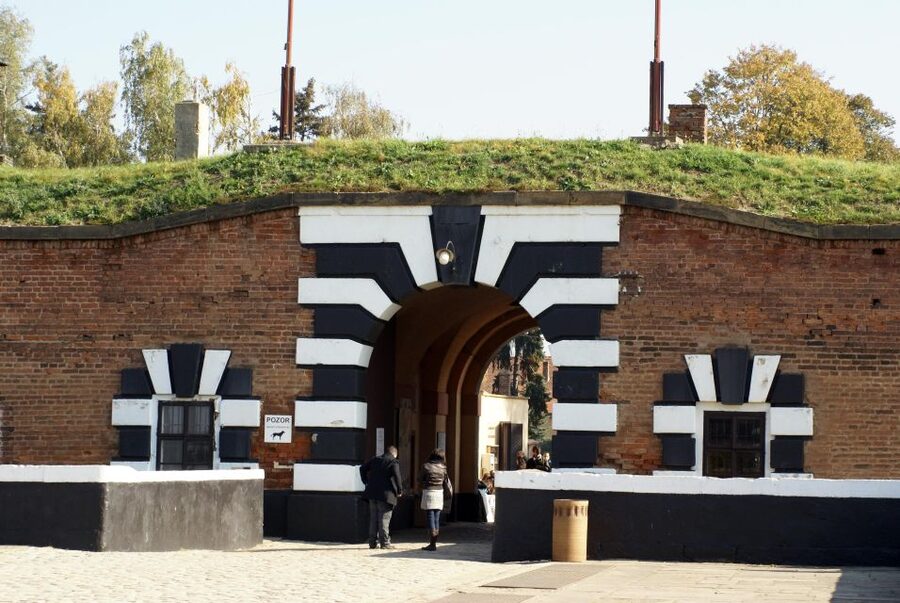
The Small Fortress is where the system feels most like a prison system. Since June 1940 it served as a Gestapo prison, and it operated until May 8, 1945. Over those years, about 35,000 prisoners went through its gates. They were mostly political prisoners and prisoners of war, but the prison also held Jews, Roma, people with disabilities, and even people classified as regular criminals.
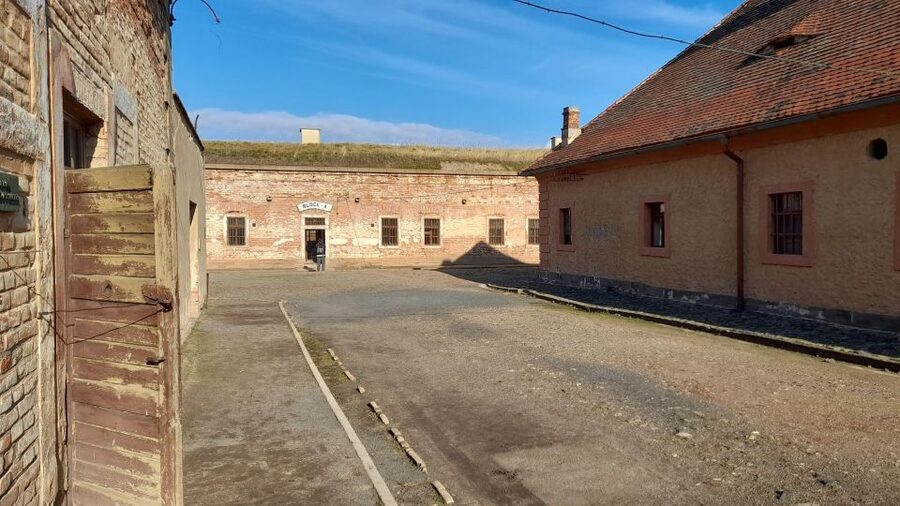
Your guided walk starts in the administrative space where prisoners arrived. That beginning is important because it sets the tone. You are not starting with a cell. You start with processing, authority, and paperwork space, which helps you understand how the Nazis turned human beings into numbers before they became bodies behind walls.
From there, you move to the commander’s office. Even if you do not spend long in that room, it helps you picture who held power and what kind of world that power created. Then you go through the men’s section of the prison, including:
- mass cells
- a Jewish cell
- solitary cells
You also see the wall tunnels, which can be unsettling because they show how the prison was designed to move and control people away from view. Next comes the shooting range, and then a look at the fourth courtyard with larger mass cells that were later built due to lack of space.
One thing I appreciate about this route is that it does not treat buildings like props. The sequence makes you think about logistics, overcrowding, and the way punishment was scaled up. That is the difference between reading about a prison and understanding how it functioned day to day.
The 10-minute propaganda film moment
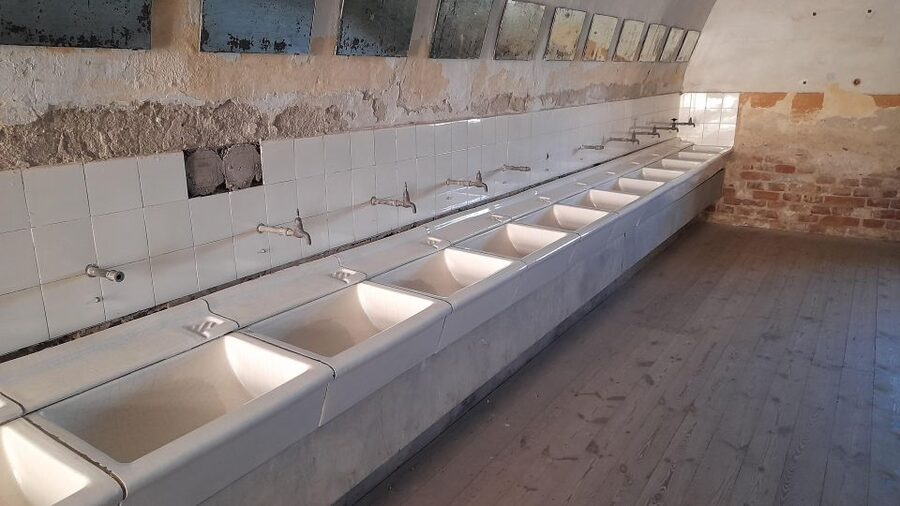
After you move through the prison spaces, the tour includes a short 10-minute propaganda movie made by the Nazis for the International Red Cross.
This is one of the most difficult moments on the itinerary, and it is also one of the most important. You are not seeing a documentary that tells the truth. You are seeing what the Nazis wanted outsiders to believe. Your guide’s role matters here. Without context, it is easy to watch it like history content rather than like a manipulation tool.
If you feel your brain wanting to shut down for a minute, that is normal. This stop is not for comfort. But it helps explain how terror was paired with deception, and how the prison world was curated for the wrong audience.
Big Fortress: the ghetto story and what the museum teaches
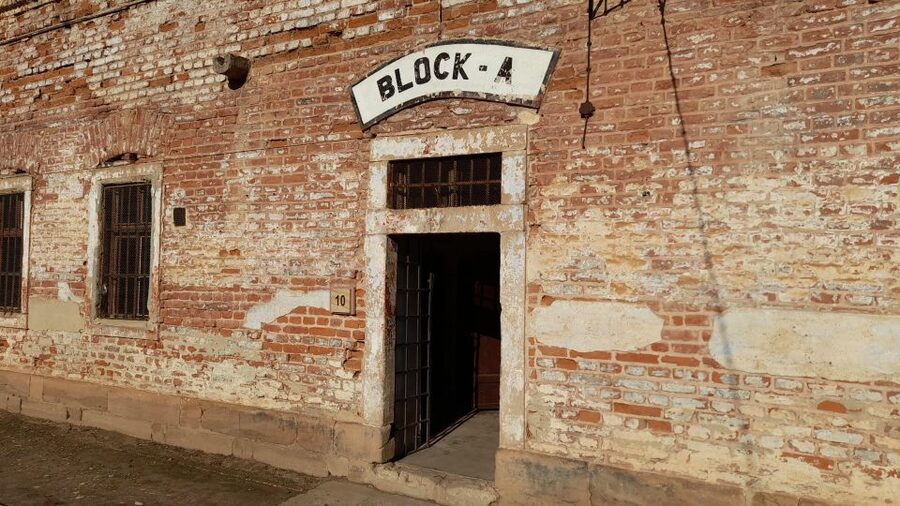
About a mile away from the Small Fortress is the Big Fortress. Since November 24, it functioned as a ghetto for Jews. Over roughly 3.5 years, around 155,000 Jews passed through its gates. From there, 63 transports left for extermination camps in Poland, carrying 87,000 prisoners. Only 3,600 survived the war. In the ghetto itself, approximately 35,000 people died, mostly from diseases and lack of nutrition.
Those numbers are brutal, but the museum stops are where you start to understand them as lived reality.
You visit the Museum of the Ghetto, located in former barracks for boys. The museum approach is practical: it breaks the story into parts so your brain can hold it. The ground floor focuses on children. That choice is heavy and it is also necessary. When you stand in the rooms dedicated to children who lived and perished in Terezín, the statistics stop being abstract.
The last section turns toward the extermination camps. It helps you connect how the ghetto system linked into the broader machinery of mass murder. Your guide can also help you sort what you are seeing chronologically, which is key if you do not have a background in Holocaust history.
More Bohemian days that start at the station:

Hidden chapel and synagogue: religion pushed into storage rooms
Next comes one of the most haunting stops: the hidden chapel. The hidden synagogue in Terezín was one of six hidden synagogues. The one you visit is hidden in a storage room because the Nazis banned any signs of Jewish religion.
I like this part of the tour because it quietly answers a question many people carry: where did faith go when public worship was forbidden? It did not vanish. It got hidden. The walls held something fragile, and the secrecy shows both fear and stubborn courage.
When you visit, pay attention to the physical constraints. A storage room is not a grand sanctuary. It is small, controlled, and vulnerable. That contrast helps you understand how survival could include trying to keep identity alive, even under extreme risk.
Magdeburg barracks: culture where you expect only confinement
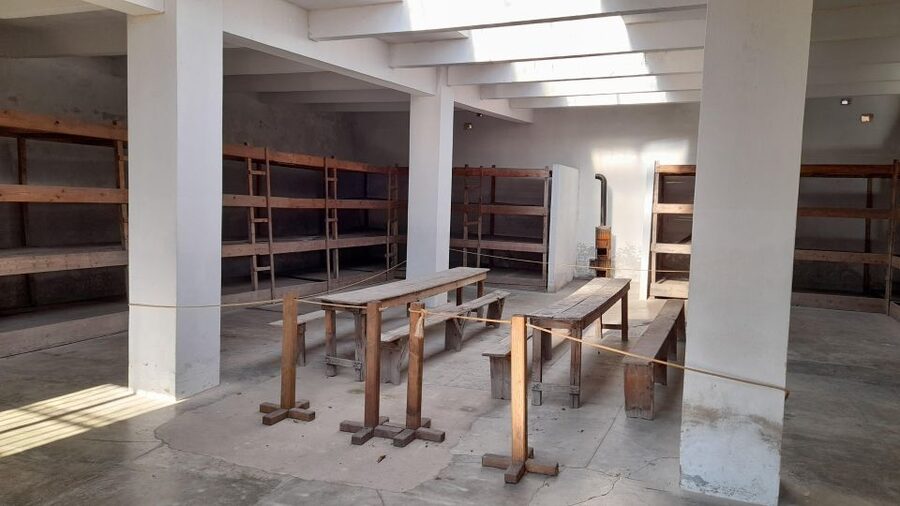
After the chapel, you continue to the Magdeburg barracks. Here you see what dormitories looked like and you learn about culture in the ghetto.
This is where Terezín can surprise you in a painful way. Many Jewish prisoners were accomplished artists. The existence of art and cultural life inside such a system does not “soften” the reality. It makes it worse, in a way that is hard to explain, because it shows how much talent and humanity were trapped, exploited, and destroyed.
Still, this stop can help you broaden your understanding beyond suffering alone. It gives you a fuller picture of the human response to oppression: creation and expression continued, even when the world around it was being designed to crush people.
Crematorium and mass graveyard: the last visual stop outside the walls
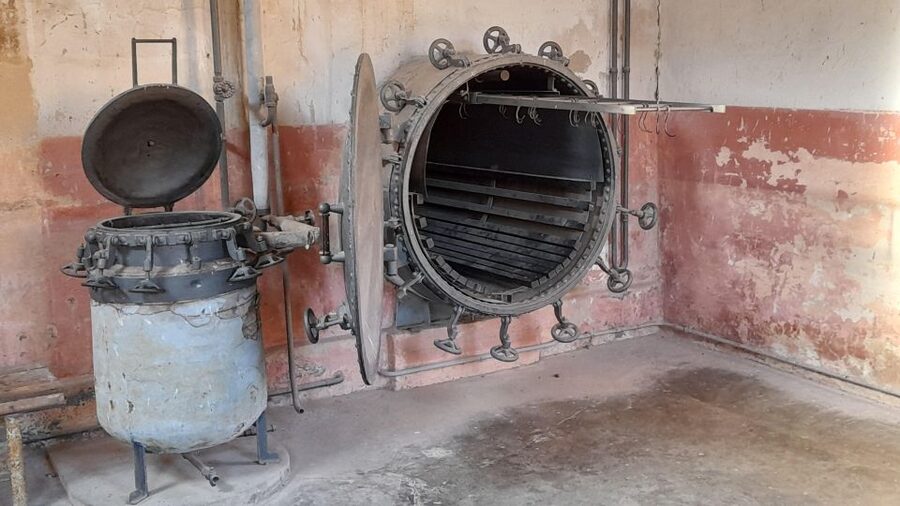
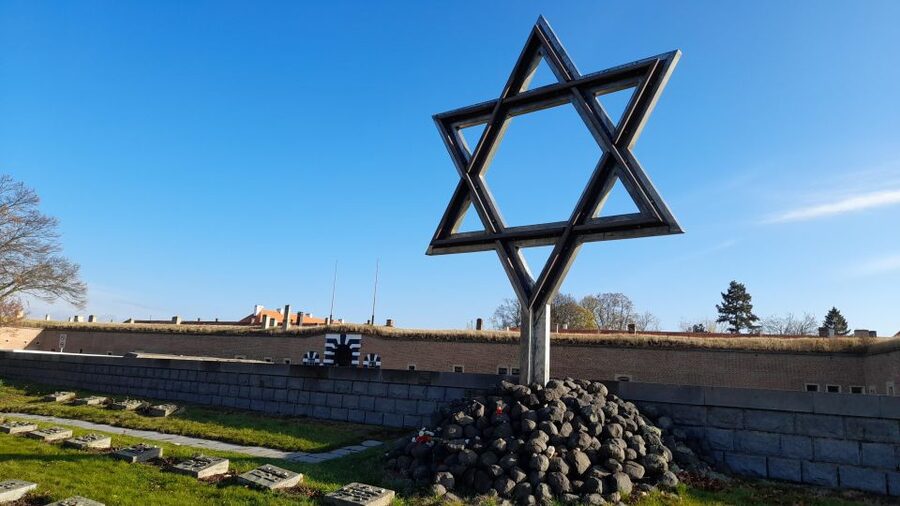
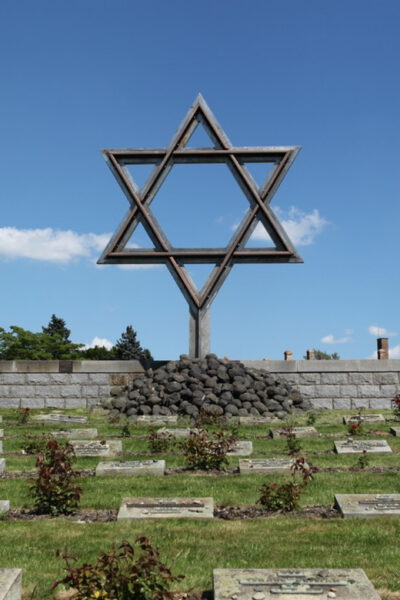
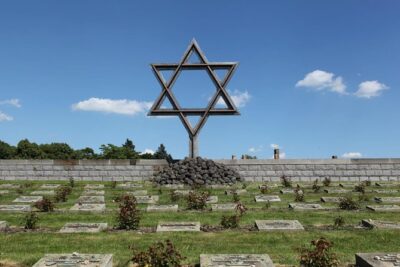
The tour ends at the Krematorium, located outside Terezín’s walls. It was built in 1942, and bodies were cremated there. Next to it lies a mass graveyard.
This final segment changes the feel of the visit. Inside the walls, the buildings are part of the system of imprisonment and forced life. Outside the walls, the scene becomes part of the processing of death. That shift matters for memory. It is a reminder that the Nazi system did not end with confinement. It moved on, and it moved fast.
If you find your thoughts racing, slow down. Look at the space, not just the story in your head. A guide can keep the facts steady, but you will still feel the weight of what these grounds represent.
Price and value: what you pay for at $316 per person
At $316 per person for a 5-hour private tour from Prague, this is not a budget day trip. So what do you actually get for the cost?
You are paying for three main things:
- Privacy and pacing
You are not sharing a guide’s attention with a larger group. That matters at Terezín, where the details are dense and the subject matter is emotionally demanding.
- A guided route through both fortresses
The tour covers the Small Fortress prison circuit, then moves to the Big Fortress museum and memorial areas, then finishes at the crematorium outside the walls. A good guide helps you connect what you see and avoid getting stuck on confusing details.
- Door-to-door transport plus entrance fees
Pickup is included, and you have a driver and car or minivan, plus the entrance fee to the Terezín Memorial. That reduces the time and stress of planning your own transport.
Is it worth it? For me, it tends to be worth it if you want context and clarity more than you want to manage logistics. If you are traveling with time pressure, it is also a strong choice because you are not losing a chunk of your day fighting schedules.
Guides, languages, and the kind of questions you should ask
The tour is led by a local guide, with live commentary available in English, Spanish, French, Russian, Italian, Czech, and German. That’s a big deal because you will likely have follow-up questions, especially when you are comparing the Small Fortress prison function to the Big Fortress ghetto function.
Some guides also bring extra background about Czech life and modern history. One guest specifically praised Eva for sharing lived experience of daily life as a Czech citizen before, during, and after the Velvet Revolution. That kind of context can help you place Terezín inside the broader arc of Central European history, not just the Holocaust years.
A useful question to ask at the start is simple: What should I watch for today? Then, as you move through cells, museum rooms, tunnels, and chapel space, you can track answers instead of trying to absorb everything at once.
And if you are the type who wants more time in museum reading areas, it is worth knowing the tour has a fixed half-day structure. One guest wished for more help for the upstairs museum exhibits, so if you are determined to slow down in every room, keep your expectations realistic.
Who this tour suits best
This is a great match if you want:
- a private, guided experience rather than self-guided wandering
- coverage of both fortress areas, including the museum, hidden chapel, and crematorium area
- a guide who explains what you are seeing in plain language
It may feel intense for anyone who prefers light emotional pacing. Also, if you want a lot of independent time reading at length, you might find five hours too tight because this experience is built around a set route.
Should you book this private Terezín tour from Prague?
If your goal is clarity, context, and a well-timed route, I would book it. The private format, the local guide, and the fact that you see the Small Fortress, the Big Fortress museum areas, the hidden chapel, and the crematorium makes this a focused way to understand Terezín without wasting time.
I would also book it if you are trying to get the most out of limited time in Prague. Pickup and transport reduce friction, and the entrance fee is included. For many people, that alone makes planning simpler.
But if you are hoping to spend hours reading and wandering freely at your own pace, this may not be the best fit. In that case, you might choose a longer independent visit. For most first-timers, though, this private half-day format is a smart balance of coverage and guidance.
FAQ
How long is the private half-day Terezín tour?
The duration is 5 hours.
Where does this tour run from?
It runs from Prague, with pickup included.
Is pickup included?
Yes. Your guide will pick you up at any place that suits you, such as a hotel, square, or airport.
Is this a private group tour?
Yes, it is a private group tour.
Which parts of Terezín are visited?
The tour includes the Small Fortress, the Big Fortress sites such as the Museum of the Ghetto, the hidden chapel, the Magdeburg barracks, and it ends at the Krematorium area outside the walls.
Are entrance fees included?
Yes, the entrance fee to the Terezín Memorial is included.
What languages are available for the live guide?
The guide is available in English, Spanish, French, Russian, Italian, Czech, and German.
Is the tour wheelchair accessible?
Yes, wheelchair accessible is listed for this activity.
Is there a cancellation option?
Yes. Free cancellation is available up to 24 hours in advance for a full refund.
Can I reserve and pay later?
Yes, reserve now & pay later is available, so you can book your spot and pay nothing today.
Just written up in Prague
- Private Transfer from Prague to Regensburg★ 5.0 · 1 review
- Prague: TV Tower Ticket & Novi Grad Digital Tour★ 5.0 · 1 review
- Prague to Dresden’s Old Town, Zwinger & Frauenkirche by Car★ 3.0 · 1 review
- Prague to Český Krumlov Private Guided Tour – With Mike★ 5.0 · 1 review
- Prague to Munich Private Transfer with 2 hours sightseeing★ 5.0 · 1 review
- Prague: 3-Hours Wars & Totality Guided Walking Tour★ 5.0 · 1 review
- Prague to Berlin Private Transfer with Optional Sightseeing★ 5.0 · 1 review
- The Plague Doctor of Prague: Self-Guided Mystery Puzzle Walk★ 3.0 · 1 review
Terezin Memorial Day Trips from Prague, compared.
Terezin Concentration Camp Guided Tour w/ Audio
Read our review →
Terezin Concentration Camp Day Tour from Prague
Read our review →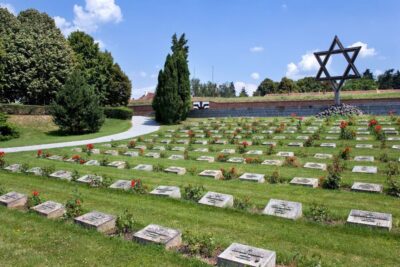

Terezin & Bohemian Switzerland from Prague: Bastei, Narnia & Café
Read our review →
Terezin Concentration Camp Day Tour Including Admission From Prague
Read our review →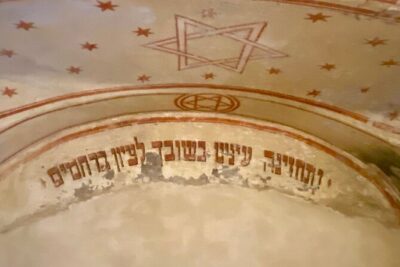
Terezin In-Depth Holocaust Tour From Prague’s Center (max 7 pax)
Read our review →Browse the lists this tour appears in