
Reviewed · COOKING CLASSES
Prague: Traditional Czech Baking Class
Cooking in Prague is more than tasting.
In this 3-hour Czech baking class, you make classics like apple strudel from scratch and bring home what you bake, with a fun twist while the dough rests. I like that the instructor keeps things clear step by step, and I love the goofy, welcome distraction of the ball pits downstairs during proofing.
One possible drawback to plan for: this is a hands-on food class, so you will spend most of the time working at the counter and baking station, not wandering around Prague streets.
In This Review
- Key Highlights to Know Before You Go
- A Very Pink Start and How the 3 Hours Break Down
- The 25-Minute Czech Baking Traditions Intro You Can Actually Use
- Apple Strudel: Homemade Puff Pastry and Real Step-By-Step Work
- Seasonal Fruit Cakes With Handmade Dough, Not Just a Second Dessert
- Ball Pits During Proofing: The Unexpected Secret to a Fun Class
- Drinks, Recipes, and the Stuff That Helps You Bake Again
- Price and Value: Why $80 Can Be Reasonable Here
- Who This Baking Class Is Best For in Prague
- Should You Book the Prague Traditional Czech Baking Class?
- FAQ
- How long is the Prague Traditional Czech Baking Class?
- What do I learn to bake?
- What is included in the class price?
- Is transportation to the venue included?
- Are alcoholic drinks included?
- What languages are the classes taught in?
- How big is the group?
- When does the class run?
- Where is the meeting point?
- Is it suitable for wheelchair users or small children?
- Is there free cancellation?
- Can I reserve and pay later?
Key Highlights to Know Before You Go
- Homemade puff pastry for apple strudel, plus apple filling from scratch
- Seasonal fruit cakes made with handmade dough
- A 25-minute Czech sweets intro that explains what you are making and why
- Small group size (max 10) for more direct help while you bake
- 5 interactive ball pits during downtime while dough proofs
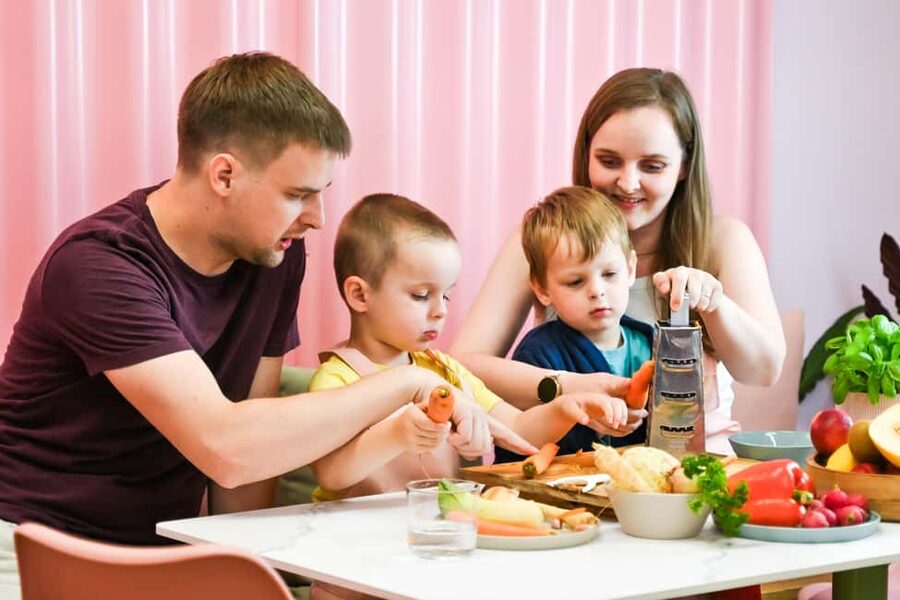
- All ingredients, equipment, and aprons provided, so you can show up light
A Very Pink Start and How the 3 Hours Break Down
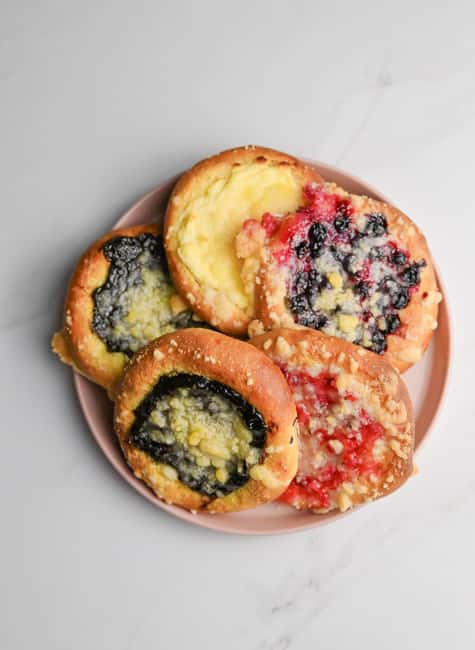
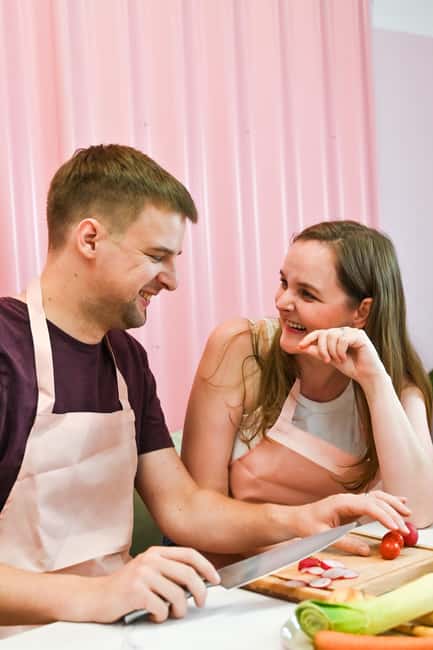
Your experience starts at a meeting point described as a very pink place that is meant to be easy to spot. It is the kind of detail that saves time when you are arriving in a new neighborhood, especially if you are already juggling other Prague plans.
The total time is 3 hours, with two main phases. First, there is a 25-minute introduction focused on Czech baking traditions. Then you get into the practical work, with 2 hours hands-on baking. Between steps, you also get planned breaks for when the dough is proofing, and that is where the ball pits come in.
Because the class runs on weekday mornings, it can fit nicely if you like your Prague days to start early. It is also a good option when the weather is unpredictable and you want to stay inside with something genuinely productive to do.
One more practical point: the group is small, limited to 10 participants, with a minimum group size of 2. In my view, that matters. You are not just watching from the sidelines, and you are less likely to feel lost when the instructor is explaining technique or troubleshooting dough.
Some other Bohemian days to set against this
- Prague: 1.5-Hour Chocolate Museum Visit with Workshop
★ 4.4 · 387 reviews - Prague: Traditional Chimney Cake (Trdelník) Making Workshop
★ 4.9 · 227 reviews - Prague Beer Pouring Class at Pilsner Urquell
★ 5.0 · 129 reviews
The 25-Minute Czech Baking Traditions Intro You Can Actually Use
Before flour ever flies, you get a 25-minute introduction to Czech baking traditions. It is not just trivia. The point is to help you understand what makes these sweets feel Czech, and what you should watch for as you work.
In a class like this, that intro is valuable because baking is all about timing, texture, and method. If you know what the class is aiming for, you can adjust while you work. You also pick up the idea that Czech sweets often rely on careful dough handling, proper rest times, and a focus on filling balance, not just sweetness.
The best part is that this intro happens right before you start. That order helps the information stick, because you can immediately connect what you learn to what you are doing with your hands.
Apple Strudel: Homemade Puff Pastry and Real Step-By-Step Work
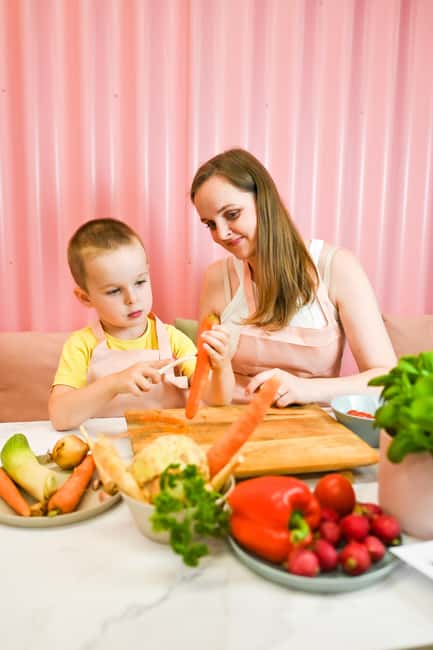
The star of the class is apple strudel made with homemade puff pastry. If you have only had strudel at bakeries, this is the moment where you see the structure behind the flaky layers.
You start by working with dough for the puff pastry process, which means you are not relying on store-bought shortcuts. Then you move into the apple filling and assemble your strudel. Expect lots of technique talk during the shaping stage, because strudel needs the right form to bake evenly and stay tender.
What I like about this part is that it turns a dish people often associate with a single bakery into something you can understand and remake later. You are learning the method, not just collecting a finished dessert photo.
You also get everything you need: ingredients, equipment, and an apron. That matters for value because it removes the usual hassle of buying specialty ingredients or bringing tools you might never use again.
When your strudel is ready for baking, you get that brief waiting period, and that downtime is where the class turns playful, with ball pits while dough is proofing.
Seasonal Fruit Cakes With Handmade Dough, Not Just a Second Dessert
After the apple strudel, you shift to seasonal fruit cakes made with handmade dough. This is not a random second item meant to fill time. It is designed to show you another Czech baking style, where dough handling and fruit balance play a major role.
Seasonal matters because your class is built around what fruit cake is like when it is in season, not a one-size-fits-all approach. That means you learn how the recipe adapts to ingredients you actually encounter, which is the kind of practical knowledge that helps if you try baking at home later.
Handmade dough also changes the feel of the class. With the strudel, you are focused on forming flaky layers and assembly. With fruit cakes, the dough work is more about structure and texture, and you can feel that difference in your hands as you mix and shape.
Like the strudel, you get packages for what you bake, so you are not stuck carrying warm pastries in a paper bag through the rest of Prague.
Ball Pits During Proofing: The Unexpected Secret to a Fun Class

Yes, there are ball pits, and they are built into the pacing of the class. The program includes 5 interactive ball pits, and the timing is intentional: you use them during breaks when dough is proofing and waiting for the right moment.
I know that sounds silly on paper, but in practice it is smart. Proofing takes time, and waiting quietly can make a class feel longer and more stressful. Here, the break is structured and physical in a low-pressure way. It keeps energy up while you wait for your dough to be ready.
The ball pits are also a nice stress reliever if you are someone who worries about messing up. While your dough rests, you can enjoy the downtime rather than watching the clock or overthinking your technique.
One heads-up: the class is not suitable for wheelchair users, and it is not listed as suitable for very young children (see FAQ). So if accessibility or age is your priority, check before booking.
Another way the same evening in Prague could go:




Drinks, Recipes, and the Stuff That Helps You Bake Again
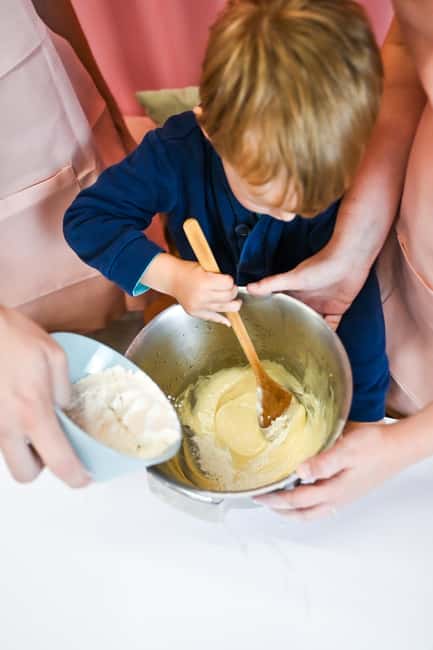
Baking classes can be hit or miss on what happens after the oven. This one builds in support.
You get speciality coffee and homemade lemonades as part of the experience. That is a real perk because it gives you a break that is still connected to the theme, not just a random beverage.
You also get print out recipes and recipe guidance to take home. I like that because it turns the class into a repeatable experience. You can recreate these sweets instead of only remembering how it felt to bake them once.
And you get packages for your baked products, so you can take your strudel and fruit cakes away without needing to improvise containers. That is a small thing that makes a big difference once you are done and ready to go back into Prague life.
One more thing that people consistently appreciate is the instructor style: clear instructions and even the sense that things are set up for you, including pre-measured steps. That kind of preparation makes hands-on baking much more relaxing.
Price and Value: Why $80 Can Be Reasonable Here
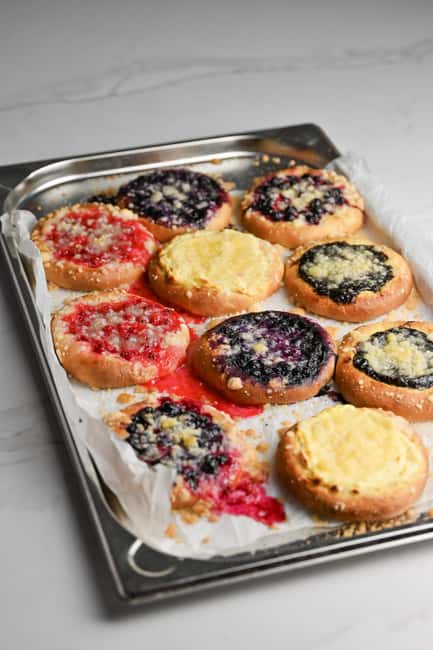
The cost is listed as $80 per person, or 1,650 Kč. For Prague, this is in the category where you are paying for instruction plus ingredients, equipment, and the included drinks and recipes.
Here is why I think the value works if you want an actual cooking experience rather than just a taste tour:
- You get a small group (max 10), which usually means more direct help.
- You get all ingredients and equipment, so you are not adding hidden costs.
- You bake two items from scratch, including homemade puff pastry.
- You leave with packaged results plus print out recipes you can use again.
So the price is not just for an hour of entertainment. It is for a focused block of learning and making, with practical deliverables.
If you are strictly budget shopping or you already know how to bake puff pastry and fruit dough, you might find this less cost-effective. But if you want structured technique, this is one of those experiences where the ingredients and instruction do the heavy lifting.
Who This Baking Class Is Best For in Prague

This class fits best if you enjoy learning by doing. It is especially good for:
- Couples and small groups who want a shared activity that ends with something delicious
- Food lovers who want Czech baking beyond what you typically see in cafes
- People traveling alone who still want a social, guided session (the group is small)
- Anyone who likes a hands-on break during a Prague itinerary, especially in the morning
It may not be the best fit if you want an accessible venue, since it is not listed as suitable for wheelchair users. It is also not suitable for very young children, based on the stated limits.
And if you dislike waiting periods or transitions, note that proofing time is part of baking. The class handles this with the ball pits, but you still will have some downtime between steps.
Should You Book the Prague Traditional Czech Baking Class?

If you want a Prague experience that is practical, tasty, and surprisingly fun, I would book this. You are not just eating sweets. You are learning how Czech baking feels in real time, with homemade puff pastry, handmade dough, and the chance to take everything home.
I would skip it only if you are looking for something mostly sightseeing and light tasting, or if accessibility and age requirements do not match your needs. Otherwise, this is an easy yes for a morning activity that gives you real skills, real desserts, and a memory you can re-create.
FAQ
How long is the Prague Traditional Czech Baking Class?
The duration is 3 hours, including a 25-minute introduction and a 2-hour hands-on baking class.
What do I learn to bake?
You learn to make apple strudel using homemade puff pastry, and seasonal fruit cakes using handmade dough.
What is included in the class price?
The class includes the 2-hour hands-on baking session, a 25-minute introduction, all ingredients and equipment with aprons, packages for your baked products, print out recipes, 5 interactive ball pits, and speciality coffee plus homemade lemonades.
Is transportation to the venue included?
No. Transportation to the venue is not included.
Are alcoholic drinks included?
No. Alcoholic drinks are not included.
What languages are the classes taught in?
The instructor speaks English and Czech.
How big is the group?
It is a small group limited to 10 participants, with a minimum group size of 2 people.
When does the class run?
It is available on weekday mornings.
Where is the meeting point?
You meet at a very pink place that is described as easy to recognize.
Is it suitable for wheelchair users or small children?
The activity is not suitable for wheelchair users. It is also not suitable for children under 2 years, and babies under 1 year. People over 95 years are also not suitable.
Is there free cancellation?
Yes, you can cancel up to 24 hours in advance for a full refund.
Can I reserve and pay later?
Yes. You can reserve now and pay later, which means you pay nothing today.
Just written up in Prague
- Private Transfer from Prague to Regensburg★ 5.0 · 1 review
- Prague: TV Tower Ticket & Novi Grad Digital Tour★ 5.0 · 1 review
- Prague to Dresden’s Old Town, Zwinger & Frauenkirche by Car★ 3.0 · 1 review
- Prague to Český Krumlov Private Guided Tour – With Mike★ 5.0 · 1 review
- Prague to Munich Private Transfer with 2 hours sightseeing★ 5.0 · 1 review
- Prague: 3-Hours Wars & Totality Guided Walking Tour★ 5.0 · 1 review
- Prague to Berlin Private Transfer with Optional Sightseeing★ 5.0 · 1 review
- The Plague Doctor of Prague: Self-Guided Mystery Puzzle Walk★ 3.0 · 1 review
Cooking Classes, compared.

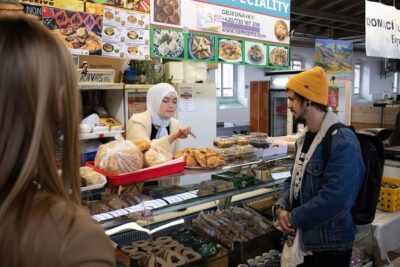
Traditional Czech Cooking Class with Market Tour
Read our review →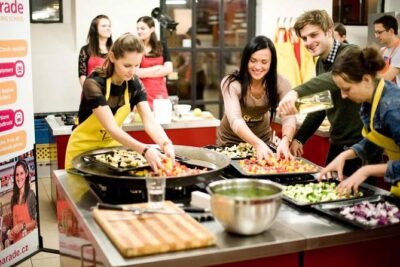
Prague Cooking Class Including Market Visit and 3-Course Lunch
Read our review →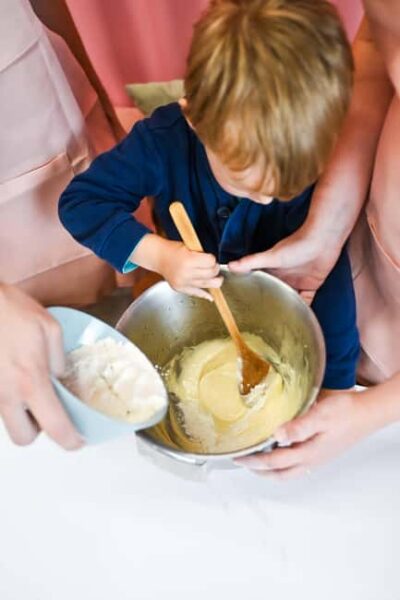

Discover Czech Cuisine: Cooking Class & Dinner in Historic Home
Read our review →
Learn Traditional Czech Cooking from Authentic Family Recipes
Read our review →Browse the lists this tour appears in