
Reviewed · MUSEUMS
Prague: Story of Prague Immersive Museum Experience
Prague has a way of pulling you in fast. This museum does it literally, with audiovisual scenes right at the Charles Bridge entrance and a phone-guided, three-floor walk through Prague’s past. I like the audio and film installations because the stories feel tied to what you see around you, not just facts on walls, and I also enjoy the built-in photo points where you can film and snap without guessing. One thing to plan for, though: the whole flow relies on your phone app, so you’ll want to manage battery and camera use.
Think of it as a history route designed for real attention spans. You move room to room, scan tags, listen through headphones (or borrow them), and watch the installations respond as you arrive at each moment. It is not a sit-and-read museum, and it works best when you let the timing guide you rather than trying to speed through.
In This Review
- Key things to know before you go
- Charles Bridge location is the smart way to start
- Getting your audio guide set up without wasting time
- Three floors of Prague history, built as a walk-through story
- Interactive photo points: where to stand, and why it’s worth it
- Pacing, app friction, and how to enjoy it anyway
- Views and monument stories from the museum windows
- Price and value: why $18 can feel like a bargain
- Who should book this, and who should skip it
- Should you book Story of Prague Immersive Museum?
- FAQ
- How long is the Story of Prague Immersive Museum experience?
- Where is the museum located?
- What is included with the ticket?
- Do I need to speak Czech to use the audio guide?
- Is it suitable for people with mobility impairments?
- Can I cancel and get a refund?
Key things to know before you go
- You start at the Charles Bridge entrance, so you can fold this into your first Prague walk across the river.
- It uses a phone app plus audio/headsets, letting you control what you hear as you move.
- Three floors cover major eras, from the Middle Ages to WWII, then the communist regime, and on to recent history and world achievements.
- Interactive photo points show you where to stand for the best shots and video angles.
- You can watch film installations and hear audio tied to the room, so the history feels staged for you, not just displayed.
- Not for mobility impairments, so plan a route around any stairs or tight movement areas.
Charles Bridge location is the smart way to start
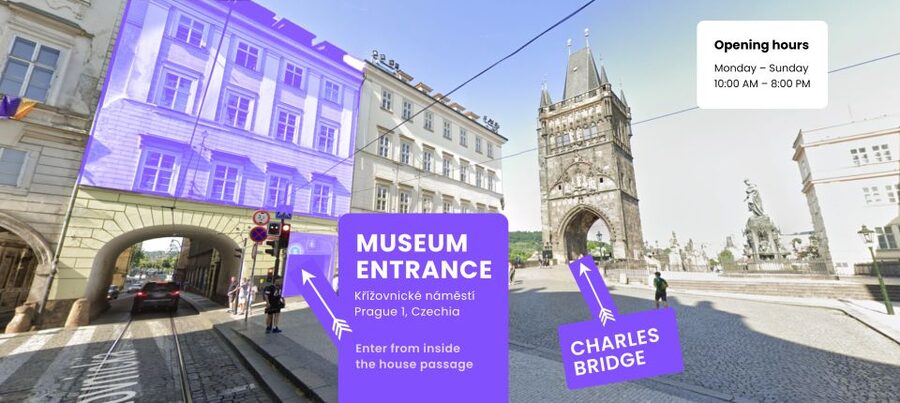
The biggest practical win here is location. The Story of Prague museum sits right at the entrance to Charles Bridge. You enter from inside the house passage, which makes it feel less like a museum you travel to and more like a stop you fall into.
That matters because Charles Bridge is already part of most first-time itineraries. If you do this early, you get a clearer mental map for what you will see outside. You can then connect the installations’ stories to real landmarks as you walk the bridge and continue through Old Town.
Also, this is one day. At $18 per person, it is easy to justify as an add-on that does not steal half your trip. If your goal is to understand Prague quickly without turning it into a marathon, this is built for that.
Other Prague collections out of the cold:
- Prague: Museum of Fantastic Illusions Entry Ticket
★ 4.3 · 4,337 reviews - IAM Illusion Art Museum Entry Ticket
★ 4.2 · 1,664 reviews - Prague: Museum of Senses Admission Ticket
★ 4.0 · 1,445 reviews
Getting your audio guide set up without wasting time
Your digital guide is on your mobile phone for the entire experience. You download the app, then connect your headphones or borrow headsets at reception, scan your first tag, and start walking.
Here is how I recommend handling it so you do not burn time early:
- Charge your phone the morning of, and consider a portable charger if you are the type who films a lot.
- Bring good headphones if you have them. Borrowed headsets are there, but your own pair is more comfortable for longer listening.
- Expect to scan as you go, not just once at the door. The app is part of how the rooms come alive.
Multiple languages are available on site through the audio guide and host support, including Czech, English, Spanish, German, and French. That makes it workable for mixed-language groups, and it also means you are not stuck with only one pace or one narration style.
One candid consideration: if you find audio segments that feel slow or overly staged, the experience may take longer than you planned. If you are more of a read-the-label person, you can still use the plaques and visuals, but you might choose not to listen to everything in order.
Three floors of Prague history, built as a walk-through story
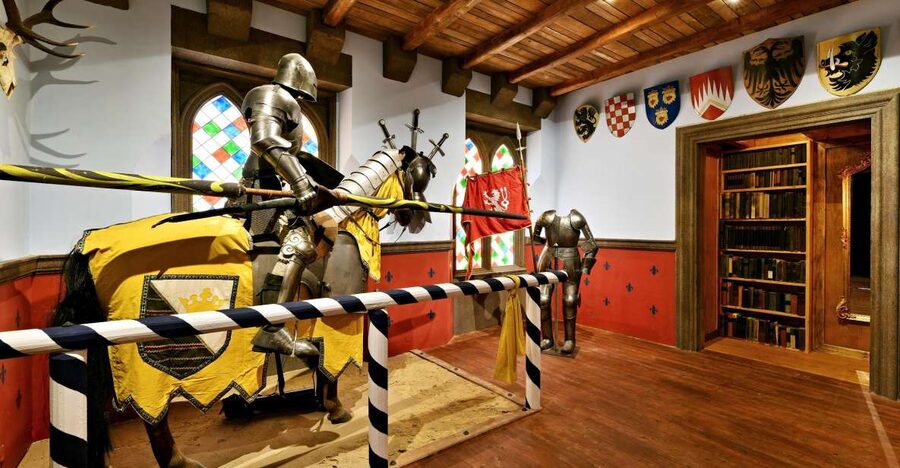
The museum runs across three floors, and the central idea is simple. You move forward through time. The script and audiovisual installations are designed to keep you in motion, not parked at a single display.
Here is the story arc you should expect as you go room to room:
- Middle Ages: you get the early city setting and how Prague’s early identity forms.
- Second World War: the narrative shifts toward the pressures and tragedies of that era.
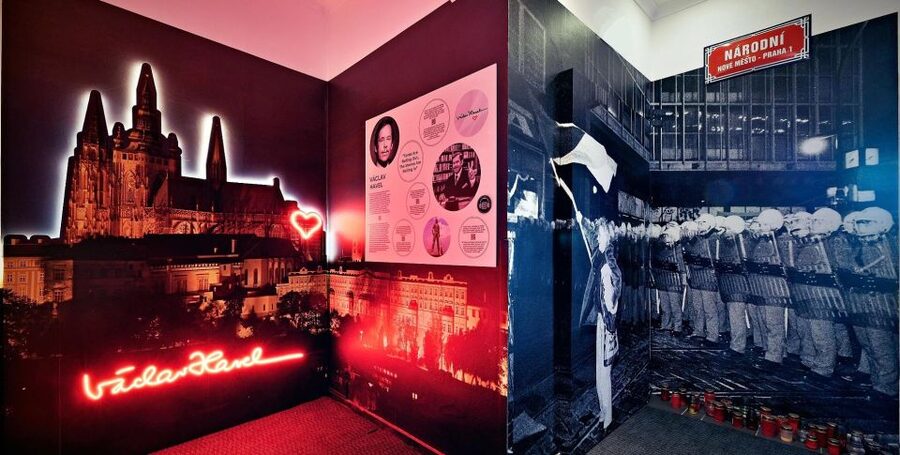
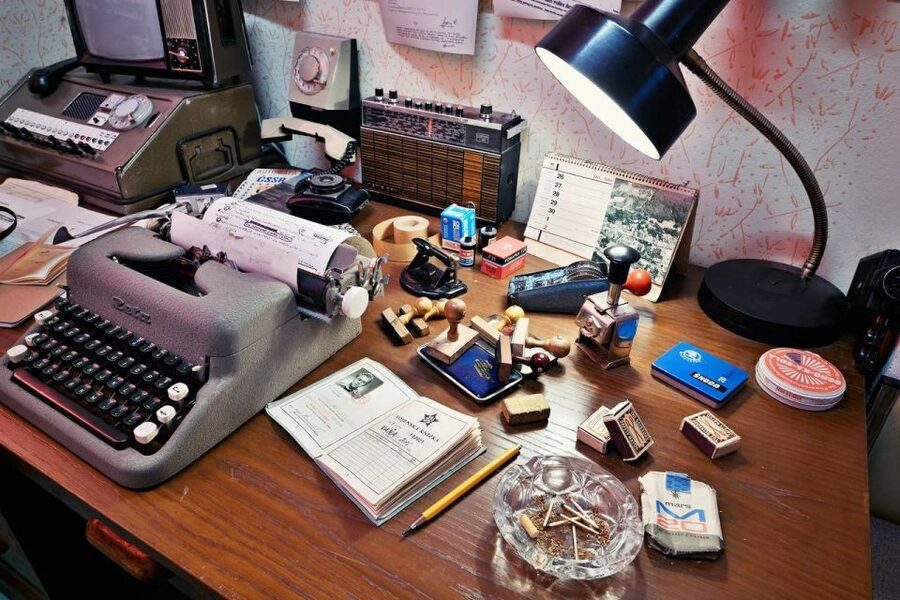
- Communist regime: you then move into the post-war political reality and the strict atmosphere of life under control.
- Recent history, present, and world achievements: you finish with what comes after, plus a look at modern Prague in a global context.
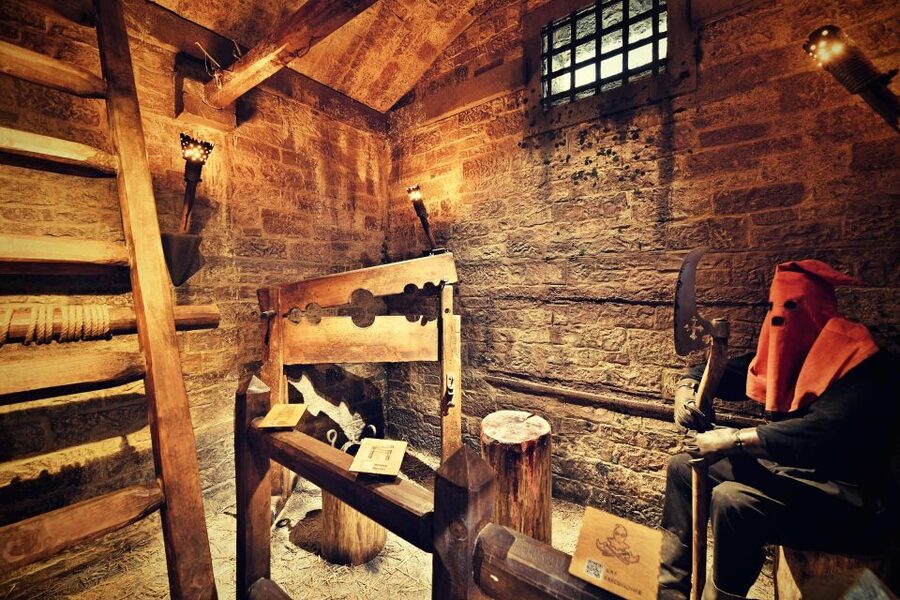
The museum’s pitch is that it is not dry. Instead, you see authentic stories presented using film installations, audio elements, and elements of augmented reality. Whether you love tech or just tolerate it, the payoff is that the rooms are staged like scenes. You are not browsing a timeline in a flat museum gallery.
What makes this valuable is the order. If you start with the Middle Ages and move forward, Prague starts to make more sense. Later, when you are outside walking past monuments, you are more likely to connect what you see to why it matters.
Interactive photo points: where to stand, and why it’s worth it
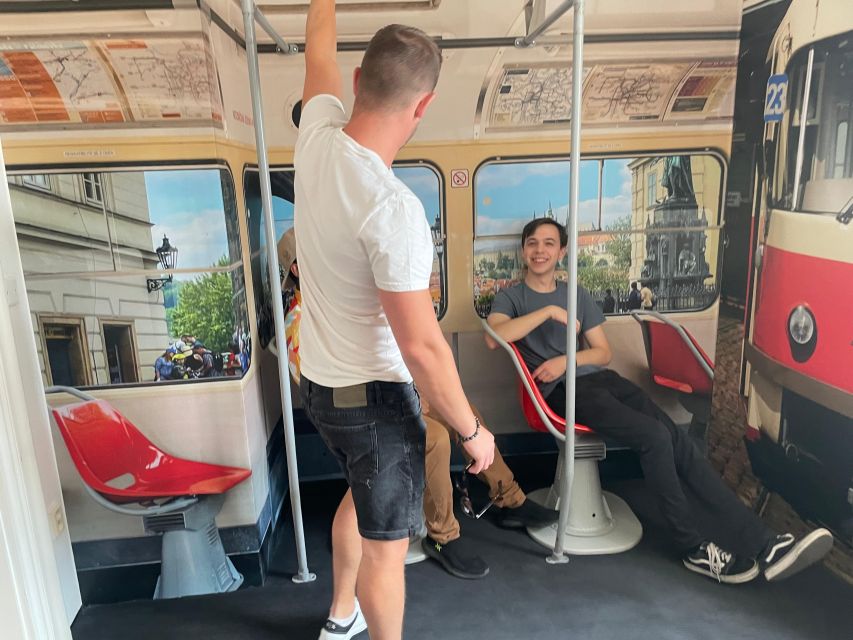
One of the more fun parts is that you are not just supposed to watch. You get interactive photo points built into the flow. The installations tell you where to stand for the best pictures and videos.
This is more than a gimmick. It does two helpful things:
- It forces you to pause at the right moment, so you do not accidentally miss the scene while rushing ahead.
- It gives you an easy shot guide, which is great when you are traveling with phones that struggle in low light or when you are trying to avoid awkward angles.
My practical advice is to plan your filming like you plan your walking. Do short clips at each photo point, then switch back to audio. If you try to do everything at once, you can end up juggling battery, volume, and framing.
Also, if the museum feels crowded or you find it hard to move around, prioritize the photo points where you want a “memory shot,” then keep going. The content is designed for a steady pace, so hopping back and forth too much can break the story flow.
Pacing, app friction, and how to enjoy it anyway
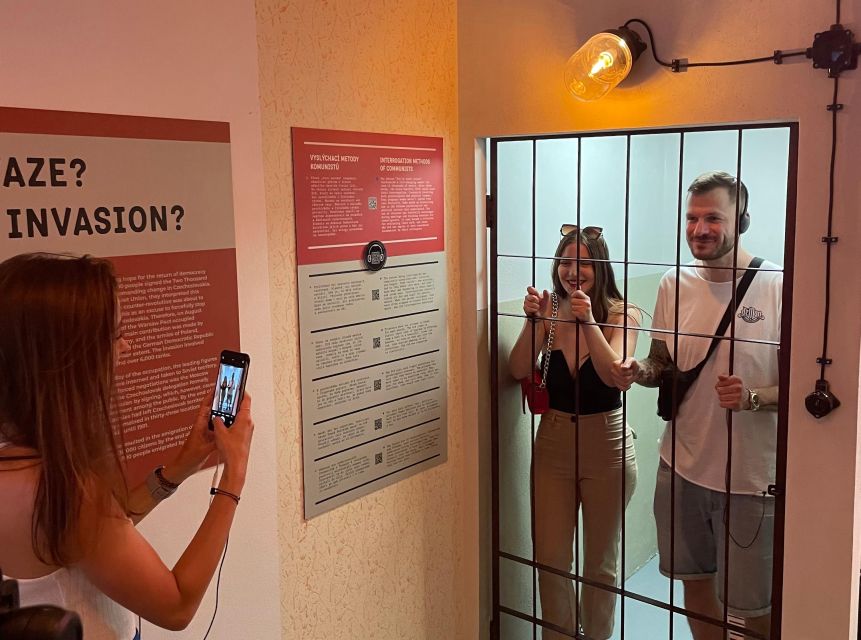
This kind of museum lives and dies by pacing. You are walking through staged scenes while a phone guide handles timing. That is great when it works smoothly, and annoying when you have to wrestle with the setup or when you feel the audio drags.
A few realistic considerations to keep your day pleasant:
- Movement can get tight. If the space is busy, you may find it harder to turn around or stop for photos.
- Audio might feel slow to some ears. If you want the fastest overview, you can switch from listening to reading the room and then jump back to audio only where it adds context.
- The app and camera can take attention. If you are constantly adjusting settings, it can pull you out of the story.
If you know you get impatient with long narrations, treat this as a guided route, not an audio binge. Listen for the big turning points, then let the visuals carry the rest. That keeps it fun and prevents the experience from feeling like homework.
Another way the same evening in Prague could go:


Views and monument stories from the museum windows
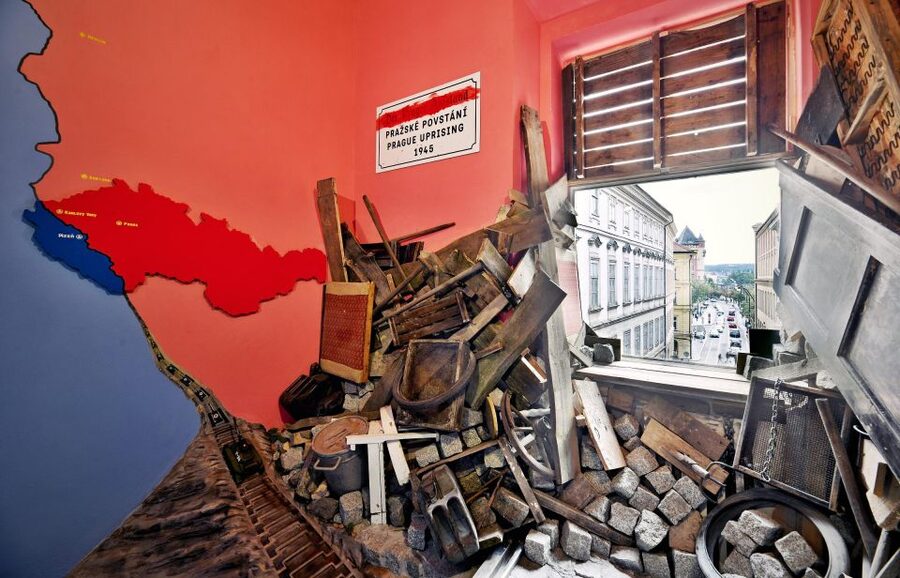
When you reach the final section, you ascend to an area that introduces recent history, the present, and world achievements. Along the way and from the higher viewpoints, you can also enjoy views from the museum windows of the Clementinum and the square below you.
This is one of those small details that helps the museum connect to the city outside. You are learning Prague’s story, then looking back at the skyline and the landmarks nearby. It turns the museum from a closed box into part of your walking route.
If you have time after your visit, use that as a cue to seek out Clementinum and nearby squares while the stories are still fresh in your head. You will probably notice details you would have otherwise missed.
Price and value: why $18 can feel like a bargain
At about $18 per person for a one-day visit, this is priced to be an easy decision, especially compared to traditional museums where you might spend hours with limited interactive value.
The value comes from three things:
- Time efficiency: it is not asking you to spend a whole day reading labels. It gives you a curated storyline across three floors.
- Production value: film installations and audio elements do the heavy lifting so the learning feels less effortful.
- Repeatable fun: photo points and video opportunities give you something beyond memory.
If you are traveling with someone who usually gets bored in quiet museums, the interactive format helps. If you are the type who likes to learn fast and then go explore outside, this can be a strong first stop.
That said, if you hate phone-based experiences or you dislike any use of audio in enclosed spaces, you might not enjoy it as much. The museum is built around your phone guide, so it is not a purely hands-off experience.
Who should book this, and who should skip it
This works best for you if:
- you want Prague history in a guided, scene-based format
- you like interactive museums where visuals and audio lead the way
- you want an easy first stop near Charles Bridge so your walking makes more sense afterward
- you travel with teenagers or friends who struggle with long, quiet museums
You might want to skip it or reconsider if:
- you have mobility impairments, since it is listed as not suitable
- you dislike phone apps as part of your travel experience
- you know you will not enjoy audio narration at an extended pace
If you fall in the middle, you can still make it work by using a simple rule: choose when to listen, and do not feel forced to listen to every moment.
Should you book Story of Prague Immersive Museum?
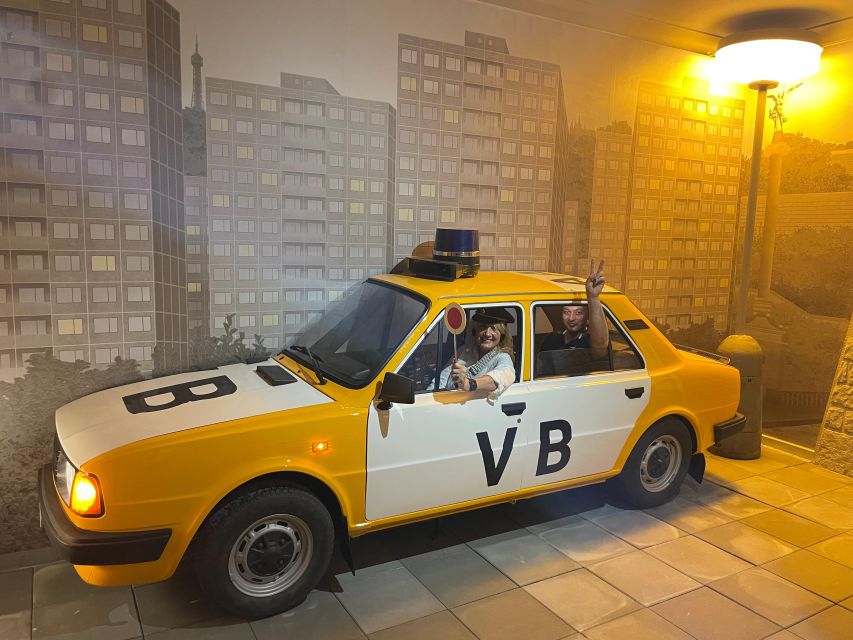
Yes, you should book it if you want a fast, structured way to understand Prague’s major eras without turning your day into a museum slog. The Charles Bridge entrance location is a big practical advantage, and the combination of phone audio, film installations, and interactive photo points makes it feel like a guided story rather than a static exhibit.
Book it early in your trip if you can. Doing it first helps the monuments outside become more meaningful. Skip it if phones and audio guidance annoy you, or if mobility limits make indoor movement difficult.
If you do go, come prepared: charge your phone, bring headphones if you have them, and plan to move steadily through the three floors. Then you will leave with both photos and a clearer sense of Prague’s timeline, which is the whole point.
FAQ
How long is the Story of Prague Immersive Museum experience?
It is valid for one day. You can check availability to see starting times.
Where is the museum located?
The Story of Prague museum is right at the entrance to Charles Bridge. You enter from inside the house passage.
What is included with the ticket?
Your ticket includes entry to the museum, the app, and headsets.
Do I need to speak Czech to use the audio guide?
No. The audio guide is available in Czech, Spanish, German, English, and French.
Is it suitable for people with mobility impairments?
No. It is listed as not suitable for people with mobility impairments.
Can I cancel and get a refund?
Yes. You can cancel up to 24 hours in advance for a full refund.
Just written up in Prague
- Private Transfer from Prague to Regensburg★ 5.0 · 1 review
- Prague: TV Tower Ticket & Novi Grad Digital Tour★ 5.0 · 1 review
- Prague to Dresden’s Old Town, Zwinger & Frauenkirche by Car★ 3.0 · 1 review
- Prague to Český Krumlov Private Guided Tour – With Mike★ 5.0 · 1 review
- Prague to Munich Private Transfer with 2 hours sightseeing★ 5.0 · 1 review
- Prague: 3-Hours Wars & Totality Guided Walking Tour★ 5.0 · 1 review
- Prague to Berlin Private Transfer with Optional Sightseeing★ 5.0 · 1 review
- The Plague Doctor of Prague: Self-Guided Mystery Puzzle Walk★ 3.0 · 1 review
Museums, compared.
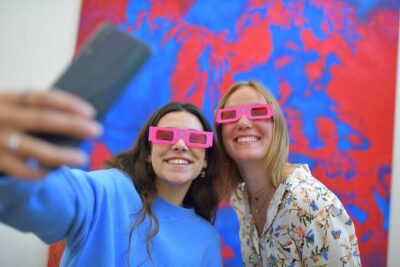
IAM Illusion Art Museum Prague Fast Pass Ticket
Read our review →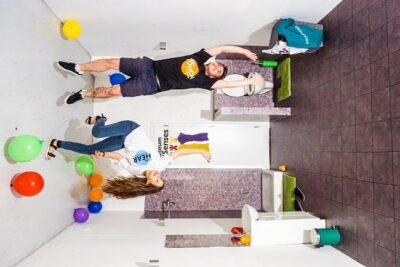
Admission Ticket to Museum of Senses in Prague
Read our review →
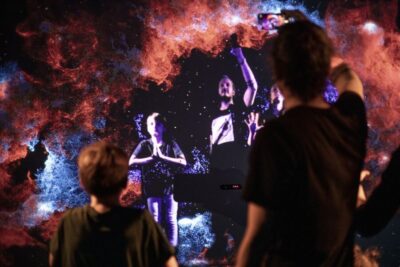
Ticket to Audiovisual Light Art at Lumia Gallery
Read our review →
Browse the lists this tour appears in