
Reviewed · PRAGUE CLASSICAL MUSIC SHOWS
Prague: Mozart, Dvořák, Czech Folk Tour with a Guitarist
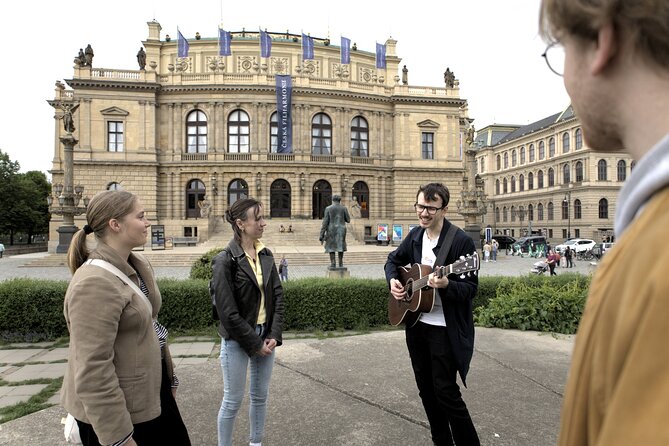
Prague sounds different when a guitarist leads you street to street. This 90-minute walk blends live Czech ballads and protest songs with iconic excerpts of Mozart, Smetana, and Dvořák, turning major landmarks into a story you can actually hear. I also like how the stops stay practical and time-light, Estates Theatre to the Lennon Wall to Václav Havel’s bench, without turning into a lecture marathon.
The main thing to consider is pacing. You cover several sights in a short window, so if you want long pauses inside buildings or quiet, solo wandering, this format may feel a bit fast.
In This Review
- Key Highlights You Will Feel Immediately
- A 90-Minute Prague Walk Where Guitar Turns Streets Into Stages
- Meeting Behind Estates Theatre, Near Charles University
- Estates Theatre: Where Mozart and Czech Storytelling Meet
- Old Town Square: The Landmark Pause That Keeps It Moving
- Rudolfinum and Live Performance Moments With a Concert Feel
- Charles Bridge Photo Stop: Fast Views, Then Back to the Story
- Prague Lesser Town: Concert Stop Plus Context for Modern Czech Identity
- John Lennon Wall: Songs of Defiance in a Public Canvas
- Finishing at Lavička Václava Havla: Closing the Loop With a Human Name
- Price and Value: Why $34 Can Feel Like a Deal
- What the Music Mix Means for Your Learning Style
- Who Should Book This Guitar-Driven Prague Music Tour
- Possible Downsides and How to Plan Around Them
- Should You Book This Tour?
- FAQ
- Where is the meeting point?
- How long is the tour?
- What languages is the guide available in?
- Is the tour wheelchair accessible?
- Is food included?
- What kind of music will I hear?
- Will there be composer connections to historical events?
- Do I get any extra materials or discounts?
Key Highlights You Will Feel Immediately
- Live guitar with Czech ballads and protest songs, not background music you can ignore
- Big-name composers in real places tied to Czech cultural identity
- A clear “listen-and-walk” flow, so you learn without cramming facts into your head
- Dvořák’s New World Symphony included, with its Moon-related connection mentioned in the show
- Landmark stops including Estates Theatre, Rudolfinum, and the Lennon Wall
- A free cultural map with musical tips to keep the music going after the walk
A 90-Minute Prague Walk Where Guitar Turns Streets Into Stages
This tour works because it respects your attention. You are not dragged through a script. Instead, the guide turns Prague into a set, with the guitar as the thread that connects personal emotion to public history.
You start with the practical question every first-time visitor has, where do I look and why? Then the music gives you an answer. You hear Czech songs that carry humor, longing, and political edge, and you also hear classical excerpts that shaped how Czech identity is heard by the world.
The energy here is simple: walk, listen, react, ask questions. One good sign is that the guide is patient. In the reviews, people specifically called out how Marek answered questions and even guided the conversation during breaks when weather forced a change.
Other concert evenings in Prague:
- Prague: Entry Ticket Classical Concert at the Mirror Chapel
★ 4.7 · 4,636 reviews - Prague: Concert at Reduta Jazz Club
★ 4.5 · 2,170 reviews - Prague: A. Vivaldi Four Seasons at St. Salvator Church
★ 4.4 · 1,951 reviews
Meeting Behind Estates Theatre, Near Charles University
The meeting point is behind Estates Theatre, in the central area where you can orient fast. Your start is listed near the Charles University Rectorate, so you are already in the “Prague core” zone where it is easy to keep building your day afterward.
This matters because a music tour is about timing. When you meet in a central location, you waste less time shuffling between neighborhoods, and you get more of the 90 minutes on the street with the guide.
A useful mindset: come ready to look up and around, not only straight ahead. Prague’s details reward attention, and the guide’s music cues help you notice what you might otherwise miss.
Estates Theatre: Where Mozart and Czech Storytelling Meet
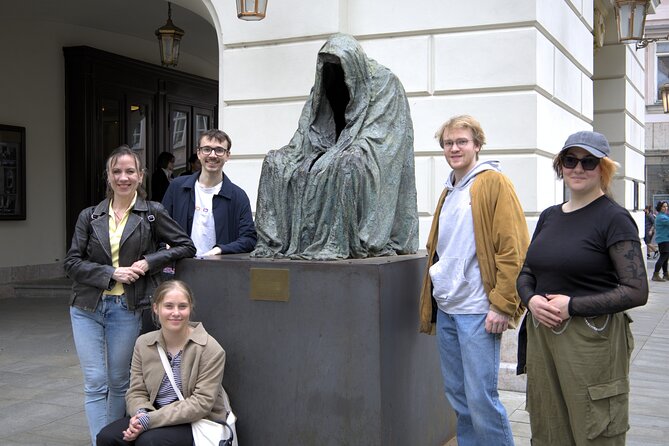
Estates Theatre is a smart first stop because it signals the tour’s main idea right away. You get a guided look at the place, then move on quickly to keep the momentum.
In a tour like this, the theatrical surroundings matter. Even if you do not know the full story of every composer connection, the setting primes you. You start to hear classical music not as museum glass, but as something tied to real people, real ambitions, and real audiences.
This is also where the tour’s mix makes sense. The guide performs live Czech ballads and protest songs, and then the tour folds in excerpts such as Mozart. That pairing is not random. It helps you compare the emotional tone of Czech folk and political songs with the formal voice of the classical tradition.
Old Town Square: The Landmark Pause That Keeps It Moving
Old Town Square typically gives visitors two things: scale and noise. Here, you get a short sightseeing moment, just enough time to reset your bearings and absorb the atmosphere before the next musical stop.
This is one reason the tour feels value-packed. You are not forced to do a full “top sights checklist.” Instead, the square acts like a hinge in the story, so you can reconnect the street scene to the music thread you have already started hearing.
If you like structured freedom, this timing works well. You get context without burning your entire 90 minutes inside one photo spot.
Rudolfinum and Live Performance Moments With a Concert Feel
Rudolfinum is where the tour leans more serious, in the best way. You get guided sightseeing and a concert-style moment, so the space functions like an auditorium, even if you are mostly outside or moving through the area.
This is also where you will hear major composer excerpts played from a speaker. The tour includes well-known selections connected to Mozart’s Don Giovanni and Smetana’s Vltava, plus the Dvořák portion tied to the Moon story with Neil Armstrong.
That Moon connection is the kind of detail people remember days later, not because it is trivia, but because it shows how Czech music travels. You are not just learning what Czech composers wrote. You are seeing how their music is carried into global memory.
And then, between the recorded excerpts, you still get live guitar. The contrast matters. Recorded pieces show structure and familiarity, while the guitar delivery of Czech songs makes the emotional meaning feel immediate and local.
Practical tip: if you want the sound to land, stand where the guide cues you. In outdoor or semi-outdoor spaces, small shifts in position can change how well you hear the guitar.
Another way the same evening in Prague could go:
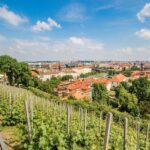
Charles Bridge Photo Stop: Fast Views, Then Back to the Story
Charles Bridge is short and purposeful here, a photo stop that keeps your legs from burning before the later walks in Lesser Town. It is a relief if you are trying to pack a musical experience into a single compact window.
But the bridge stop is not meant to be the main event. The point is to keep your energy. After this, you move toward neighborhoods where the tour can connect architecture and identity more tightly through the music and historical storytelling.
If the timing lines up with busy hours, expect crowds. The tour does not promise solitude. It promises context, and the short stop keeps it from turning into a long standstill.
Prague Lesser Town: Concert Stop Plus Context for Modern Czech Identity
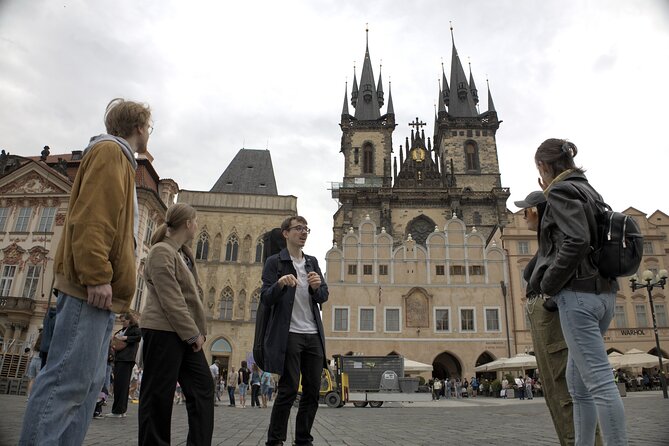
Prague Lesser Town is where the emotional tone starts to broaden. You get another guided walk and concert moment, and the story expands from classical composers into how music shaped Czech identity across different eras.
You will hear about major historical touchpoints such as Václav Havel and the Velvet Revolution, and the tour also references the Prague Spring. The music format helps here because protest and longing are not just explained. You hear musical styles that match the political and personal stakes of the stories.
This is one of my favorite kinds of cultural tours. Instead of treating history as a timeline, it treats history as feeling and language. Czech folk material and protest songs become a living commentary on what people wanted, feared, and demanded.
In the reviews, people also praised the way the guide included music from the communist era. That is exactly the kind of connection that many classic sights skip. You walk away with a clearer sense of why music mattered beyond the concert hall.
John Lennon Wall: Songs of Defiance in a Public Canvas
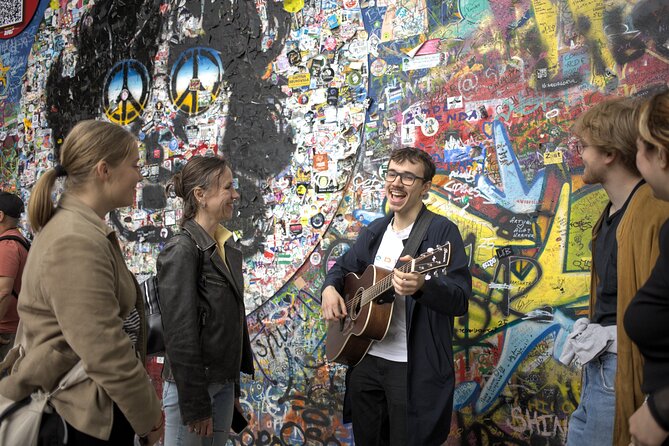
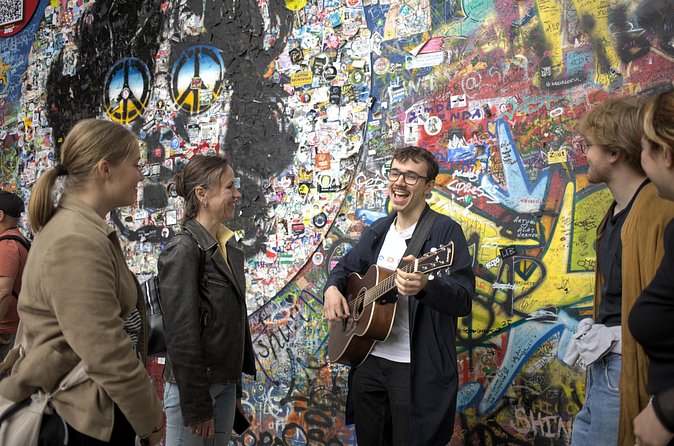
The Lennon Wall is both art and a loud historical signal. Here you get guided sightseeing plus a concert moment, which is perfect, because this wall already feels like a stage.
The tour’s framing helps you see the wall in context. It is not only about pop-culture nostalgia. It is about protest expression, about how ordinary public spaces can carry political language through paint, symbols, and song-like rhythm.
You also get more of the guide’s guitar set during this portion. That live performance turns the wall from a quick photo stop into a listening moment. You notice how lyrics and melody can function like headlines, especially when people cannot always speak freely.
If you like stopping to think for a minute, this is your moment. Take a few seconds and read what you can. Then let the music do its work.
Finishing at Lavička Václava Havla: Closing the Loop With a Human Name
You finish at Lavička Václava Havla, which gives the tour a strong human landing. It is one thing to hear about political events. It is another thing to end at a place that puts a real person behind the ideas.
This finishing spot also matches the emotional arc of the tour. You start with composers and theatre, you move through landmark music spaces like Rudolfinum, and you end where modern democratic change is anchored in Czech experience.
You leave with a cultural map and musical tips to keep going. That is a small inclusion, but it matters more than it sounds. A map helps you extend the trip without guessing, and the musical tips keep you from forgetting what you learned the moment you turn the page.
Price and Value: Why $34 Can Feel Like a Deal
At $34 per person for 90 minutes, this tour’s value comes from three things you rarely get together.
First, it includes live performance by the guide. You are paying for a guitarist telling Czech stories in music, and that adds a level of personal delivery you cannot replace with an audio app.
Second, it includes a professional licensed tour guide. That matters for flow and accuracy, especially when the tour connects music to historical events like the Velvet Revolution and the Prague Spring.
Third, you get extra value through the Reduta Jazz Club Discount, plus the free cultural map with musical tips. Those are practical additions that make the experience useful after the tour, not only during it.
Could you find cheaper walking tours that hit more sights? Yes. But this is not trying to beat you on the number of stops. It is trying to beat you on meaning. For many music lovers, that is the better trade.
What the Music Mix Means for Your Learning Style
This tour has two music layers.
One layer is live: Czech ballads and protest songs played on guitar by Marek. This is the layer you feel in your body because it is direct and human.
The other layer is classical excerpts played from a speaker, including recognizable works tied to Mozart, Smetana, and Dvořák. The advantage here is clarity. You hear familiar themes even if you do not know the full work, and the guide connects them to place and story.
If you like learning by listening, this format clicks fast. If you prefer silent sightseeing, you might find yourself wanting to pause more. Still, the balance is usually comfortable because the recorded pieces are used like punctuation, not as a full soundtrack.
Who Should Book This Guitar-Driven Prague Music Tour
I think this tour is best for you if at least one of these is true:
- You love classical music but want it placed in everyday streets, not behind museum glass.
- You want Czech history explained through emotion, especially songs tied to political change.
- You like offbeat experiences that still hit famous places like Rudolfinum and the Lennon Wall.
- You want a short, efficient activity that does not eat half a day.
It is also a good choice if your Prague itinerary includes big sights and you want one contrast. This tour gives you something you cannot easily recreate on your own because the music performance is the engine.
Possible Downsides and How to Plan Around Them
A music walking tour is weather-sensitive. One review noted that when weather forced a stop, the guide adapted and kept the songs going in a café setting. That tells you the tour can flex, but it also means you should pack for outdoor walking.
Also, the short duration means you will not linger. If you want deep museum time or long indoor stays, plan those separately. Use this for context and atmosphere, then continue on your own afterward.
Finally, because parts are played from a speaker and the guide performs live, audio level can be part of the experience. If you are extremely sensitive to sound, you might want to stand where the guide indicates so you get a clearer balance.
Should You Book This Tour?
Yes, if you want Prague with a soundtrack and you like history that you can hear, not just read. The strongest reason to book is simple: you get live Czech music plus major composer context, in a compact 90-minute walk that finishes in a meaningful place.
If your priority is maximum sightseeing with minimal interaction, you might find it too story-and-music focused. But if you are the type who remembers melodies and lyrics longer than facts, this is a very smart use of time.
FAQ
Where is the meeting point?
You meet behind Estates Theatre.
How long is the tour?
The tour lasts 90 minutes.
What languages is the guide available in?
The tour is offered in English and Spanish.
Is the tour wheelchair accessible?
Yes, it is wheelchair accessible.
Is food included?
No, food and drinks are not included.
What kind of music will I hear?
You will hear live Czech ballads and protest songs on guitar, plus excerpts of music by Mozart, Smetana, and Dvořák played from a speaker.
Will there be composer connections to historical events?
Yes. The experience includes historical storytelling about figures and periods such as Václav Havel, the Velvet Revolution, and the Prague Spring.
Do I get any extra materials or discounts?
Yes. You get a free cultural map with musical tips, and there is also a Reduta Jazz Club discount.
Just written up in Prague
- Private Transfer from Prague to Regensburg★ 5.0 · 1 review
- Prague: TV Tower Ticket & Novi Grad Digital Tour★ 5.0 · 1 review
- Prague to Dresden’s Old Town, Zwinger & Frauenkirche by Car★ 3.0 · 1 review
- Prague to Český Krumlov Private Guided Tour – With Mike★ 5.0 · 1 review
- Prague to Munich Private Transfer with 2 hours sightseeing★ 5.0 · 1 review
- Prague: 3-Hours Wars & Totality Guided Walking Tour★ 5.0 · 1 review
- Prague to Berlin Private Transfer with Optional Sightseeing★ 5.0 · 1 review
- The Plague Doctor of Prague: Self-Guided Mystery Puzzle Walk★ 3.0 · 1 review
Prague Classical Music Shows, compared.
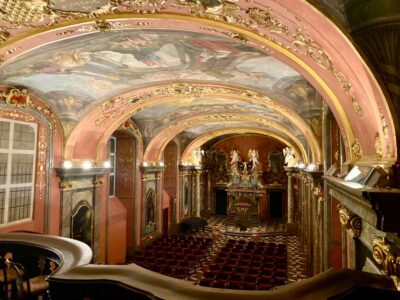
Entry Ticket Classical Concert at the Mirror Chapel
Read our review →
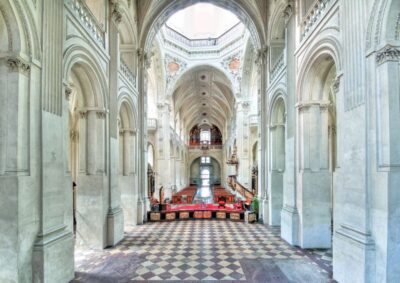
A. Vivaldi Four Seasons at St. Salvator Church
Read our review →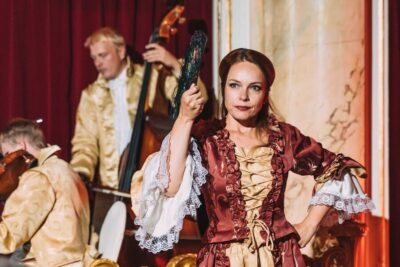
Mozart Ballroom Concert Ticket with 3-Course Dinner
Read our review →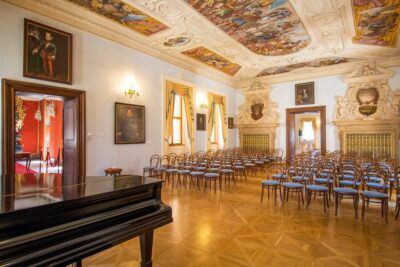
Prague Castle: Midday Classical Concert at Lobkowicz Palace
Read our review →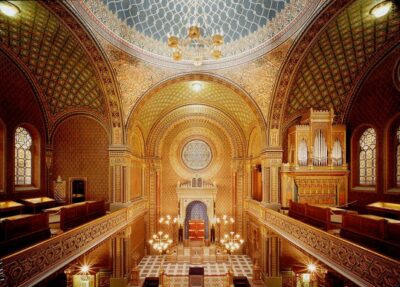
Browse the lists this tour appears in