
Reviewed · MUSEUMS
Prague: Kafka Museum Entry Ticket
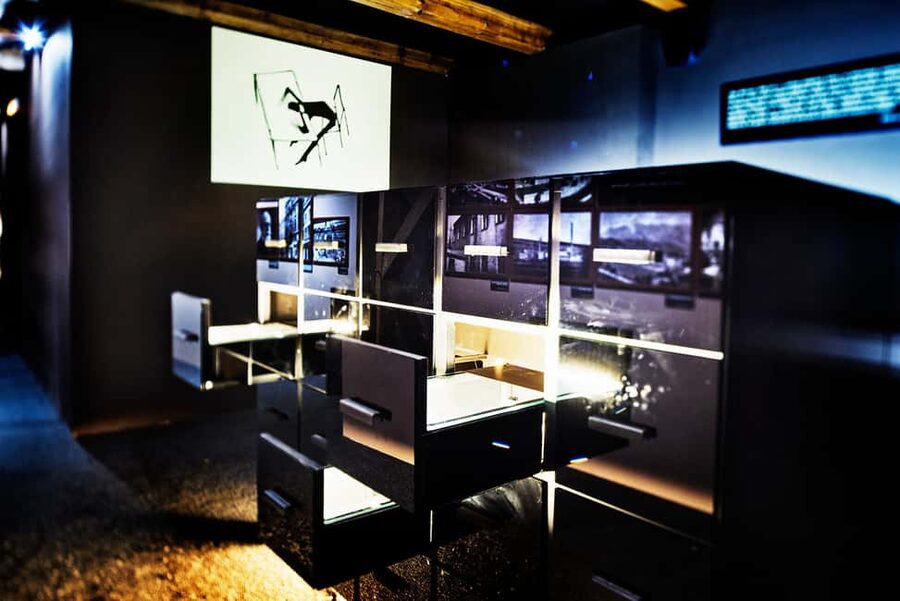
Kafka in Prague, but in a new way. This ticket takes you into Franz Kafka’s world through audiovisual installations and a museum-built soundscape, set in the historic Hergetova Cihelna on the Lesser Town bank of the Vltava River. One of my favorite parts is how the experience uses music composed exclusively for the Kafka Museum to set the mood before you even hit the manuscripts.
I really like that you get to see rare historical documents up close, including first editions, diaries, correspondence, and manuscripts, plus photographs and drawings of Prague in Kafka’s time. The one drawback to consider is that there is no guided tour included, so the meaning behind each display is mostly on you, guided by the exhibition design rather than a person explaining it in real time.
In This Review
- Key Takeaways Before You Go
- Where the Kafka Museum Lives: Hergetova Cihelna by the Vltava
- Your Self-Paced Path: A Symbolic Journey Through Kafka Themes
- Rare Manuscripts and First Editions: The Real Anchor of the Visit
- Prague in Kafka’s Era: Photos and Drawings That Set the Context
- Three-Dimensional Exhibits and Audiovisual Installations
- Music Composed Exclusively for the Kafka Museum
- Works You Might Not Expect: Displays That Haven’t Been Seen Before
- What the Ending Teaches: Kafka’s Influence and Personal Struggle
- Price and Value: Is $14 a Good Use of Your Time?
- How to Plan Your Day With This Ticket
- Who Should Book This Kafka Museum Entry Ticket
- Should You Book the Kafka Museum Entry Ticket?
- FAQ
- Where is the Kafka Museum in Prague located?
- How much does the ticket cost?
- How long is the experience valid for?
- What is included with the entry ticket?
- Is a guided tour included?
- Can I cancel and get a refund?
Key Takeaways Before You Go
- Start with documents, not just vibes, with first editions, letters, diaries, and manuscripts that anchor the whole museum
- Visual plus sound storytelling, thanks to audiovisual installations and music composed for this museum
- 3D and symbolic design, with three-dimensional exhibits that support Kafka’s themes of anxiety and alienation
- Prague through Kafka’s eyes, shown through photos and drawings from his era
- Expect surprises, including works that have never been displayed before
Where the Kafka Museum Lives: Hergetova Cihelna by the Vltava
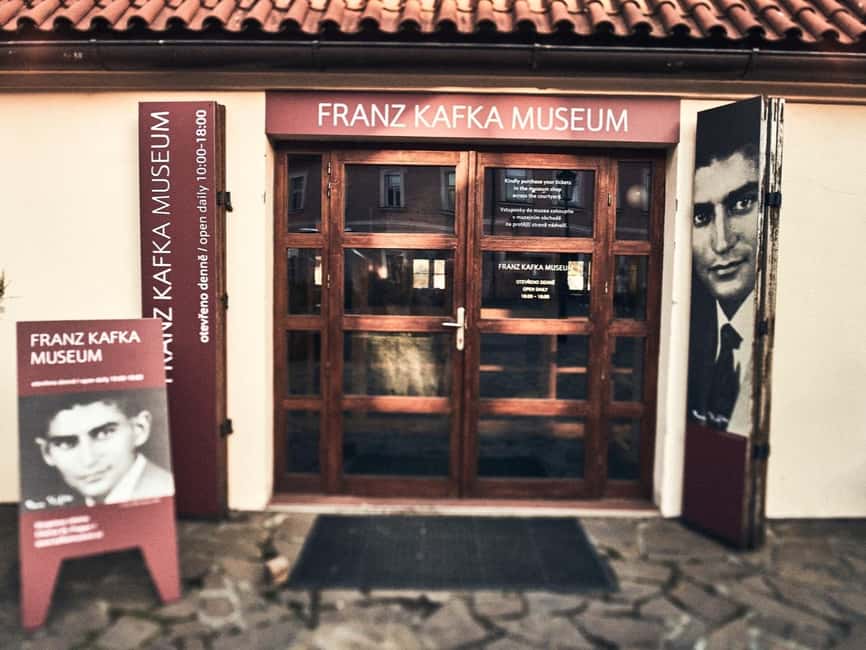
The Kafka Museum is located in Hergetova Cihelna, on the Lesser Town bank of the Vltava River. That setting matters, because it frames the visit as something between literature and atmosphere. Instead of only reading about Kafka, you are walking into a purpose-built exhibition space.
If you are spending time around the Lesser Town area, this is an easy “one more stop” type of ticket, not a huge detour by itself. And because the ticket is valid for one day, you can fit it into your schedule without feeling rushed about committing to a long guided block.
Other Prague collections out of the cold:
- Prague: Museum of Fantastic Illusions Entry Ticket
★ 4.3 · 4,337 reviews - IAM Illusion Art Museum Entry Ticket
★ 4.2 · 1,664 reviews - Prague: Museum of Senses Admission Ticket
★ 4.0 · 1,445 reviews
Your Self-Paced Path: A Symbolic Journey Through Kafka Themes
This museum is designed as a symbolic journey through the big ideas that people associate with Kafka: existential anxiety, alienation, and absurdity. What I like about that approach is that it turns the visit into more than a checklist of famous objects. You follow an exhibition flow that tries to match the emotional tone of Kafka’s writing.
Since there is no guided tour included, you should plan to spend time reading signs and letting the installations do their job. If you want a step-by-step walkthrough from a person, this setup might feel a little like watching a film without commentary. But if you enjoy interpretive museum design, the lack of a guide can actually make the experience feel more personal, because you move at your own pace.
Rare Manuscripts and First Editions: The Real Anchor of the Visit
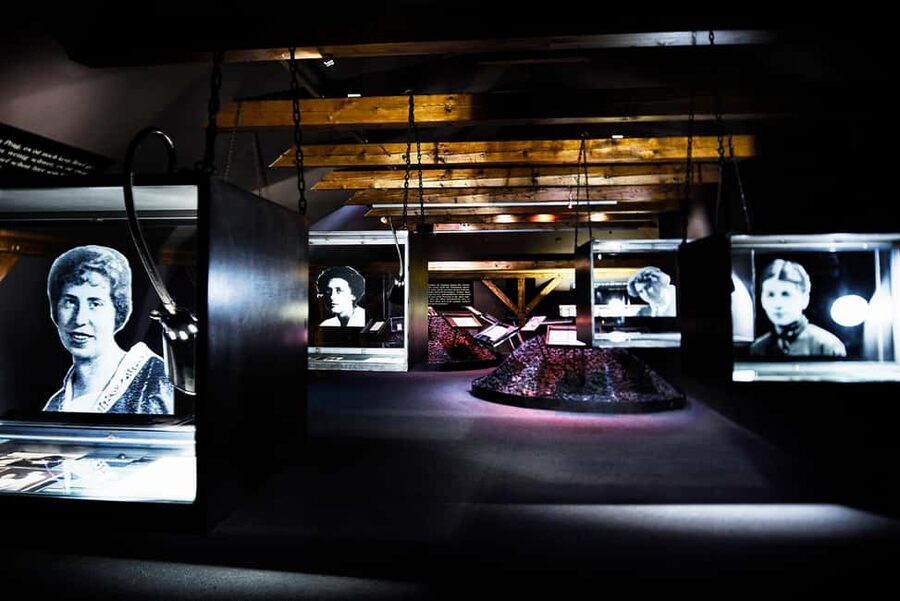
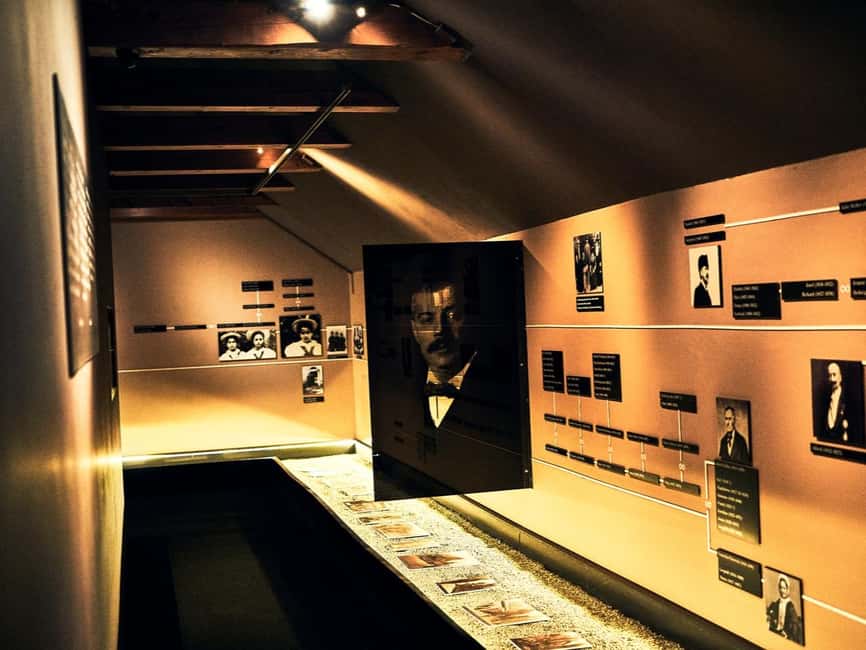
The visit begins with rare historical documents, and that’s a smart move. You start with tangible pieces that ground Kafka in real life, not just in the reputation. You can expect to see first editions of Kafka’s works, personal correspondence, diaries, and manuscripts.
This is where the ticket value really shows. A lot of literary museums can turn into text-only displays. Here, the focus is on material evidence, so your brain connects the words you know to the paper they were written on. It also helps if you care about the craft and process behind writing, not just the final publication.
One practical tip: slow down here. When you spend time with manuscripts and diaries, your eyes start to notice patterns and the human rhythm behind the work. Even if you do not read the documents deeply, you still get the sense of effort and pressure that shaped Kafka’s life.
Prague in Kafka’s Era: Photos and Drawings That Set the Context
After the documents, you move into visuals that show Prague in Kafka’s time. The museum includes photographs and drawings connected to that world. I love this section because it shifts you from Kafka as a solitary writer to Kafka as a person living inside a specific city and moment.
This kind of context can be the difference between understanding Kafka as a name on a book spine and understanding him as a person shaped by his surroundings. It also gives you a break from reading, while still staying connected to the exhibition’s larger themes.
If you are a detail person, take a second look at how the city is portrayed. Small visual choices in photos and drawings can hint at mood, social atmosphere, and the everyday feel of the era.
Three-Dimensional Exhibits and Audiovisual Installations
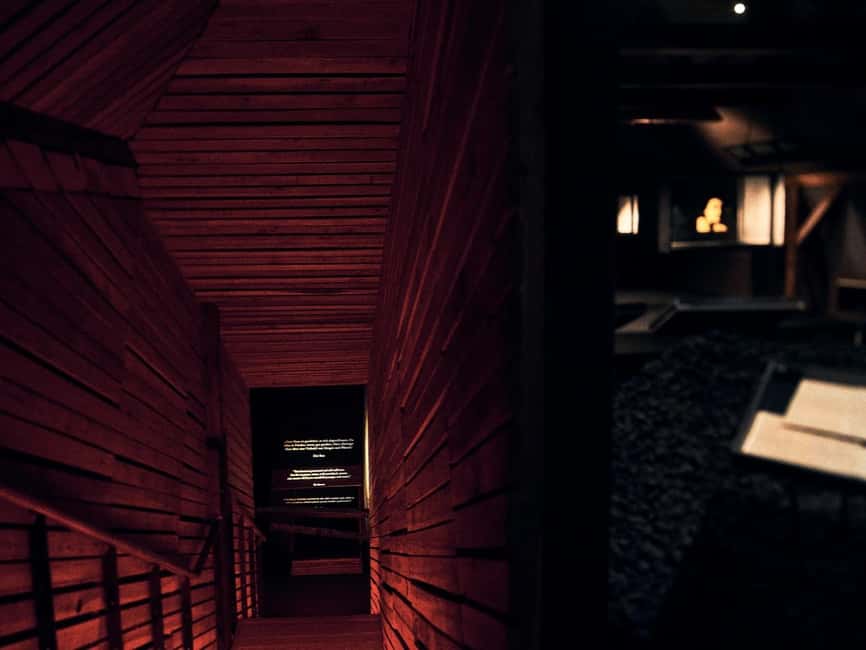
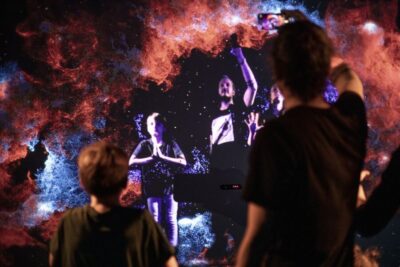
The museum uses three-dimensional exhibits and audiovisual installations to tell Kafka’s story in a sensory way. This is not just “screens with facts.” The audiovisual components are tied to the existential themes the exhibition is built around, so the sound and visuals function like interpretation tools.
This is one of the most praised aspects for a reason: when you add sound and motion, the museum turns Kafka’s emotional world into something you can feel in your body. Even if you are not a literature scholar, the medium can still land. If you have ever had a hard time translating ideas like alienation or absurdity into something concrete, this section is designed to make those feelings legible.
Because the museum includes audiovisual installations, plan for a pace that allows you to sit, watch, listen, and then move on. If you treat the museum like a gallery sprint, you might miss the point of these parts.
Some other Bohemian days to set against this



Music Composed Exclusively for the Kafka Museum
One of the standout features is music composed exclusively for the Kafka Museum. That matters because it keeps the entire experience in the same creative universe. Instead of generic background music, the sound becomes part of the exhibition’s symbolic language.
I find that museums with purpose-built music tend to do better at creating emotional continuity. You are not jumping between unrelated topics. You are experiencing one coherent atmosphere, which supports the museum’s themes of anxiety, alienation, and the absurd logic that can show up in daily life.
If you are sensitive to sound, be aware that audiovisual installations and music are likely a major part of the sensory design. You might want to take short breaks when you feel overstimulated, especially if you are combining this stop with other museums that day.
Works You Might Not Expect: Displays That Haven’t Been Seen Before
As you move through the exhibition, you encounter works that have never been displayed before. That small phrase, never been displayed before, is a big deal for value. It means the museum experience is not just a rehash of already widely seen material.
For regular book lovers and art fans alike, that can make the visit feel fresher. You are seeing something that is being shared now, in this format, with this space. It turns a ticket purchase into more than a standard “see the famous stuff” outing.
If you like surprises, keep your attention switched on here. These are the moments when the exhibition’s claim to be a symbolic journey and a source of rare material can overlap.
What the Ending Teaches: Kafka’s Influence and Personal Struggle
The museum concludes by connecting Kafka’s work to his influence on modern literature and by focusing on his personal struggles with societal expectations and inner anxieties. This wrap-up is important because it reframes what you saw earlier.
If the earlier sections made you feel Kafka’s world through documents, images, and installations, the conclusion gives you a way to organize that experience into meaning. You walk away understanding how Kafka’s themes kept spreading beyond his own lifetime, and how personal pressure can become literary power.
I also like this ending for practical reasons. When you later discuss Kafka with friends, you can point to more than plot and reputation. You can talk about societal tension, inner anxiety, and the absurd edges of daily life that the museum keeps highlighting.
Price and Value: Is $14 a Good Use of Your Time?
The price is $14 per person, and for what you get, it can be a very reasonable buy. You are paying for access to entry, audiovisual installations, and viewing rare manuscripts and exhibits. That is a lot of “experience density” for one ticket.
To judge whether it’s value for you, ask one question: Do you enjoy interpreting art and literature through design, not just through reading text? If yes, the combination of rare documents, photographs and drawings of Kafka-era Prague, audiovisual work, 3D exhibits, and museum-specific music is hard to beat for the money.
If you want only historical facts delivered by a person, the lack of guided tours is the trade-off. But if you are comfortable turning yourself into the interpreter, the structure of the exhibition is doing much of the explanation for you.
Also, because the ticket is valid for one day, you can choose the best time of day for you. No extra planning stress, just pick a start time when it suits your schedule.
How to Plan Your Day With This Ticket
You have a one-day ticket, so your real planning job is pairing this museum with the right kind of pacing. Plan around your attention span. The museum includes audiovisual installations and music, so it is not a silent, quick read-through kind of stop.
Here’s how I’d structure it in real life:
- Give yourself enough time to start with the documents without rushing.
- Take breaks between installations, especially if you want to keep your focus on the themes.
- Let the ending sections land, rather than treating them as the final hurdle.
If you are visiting during a day when you have other indoor stops, keep the pace realistic. This museum already has a lot going on emotionally and sensory-wise, so you do not need to overload your schedule.
Who Should Book This Kafka Museum Entry Ticket
This ticket is a strong match if you:
- Love Kafka’s writing and want to see rare manuscripts, diaries, and first editions
- Like museum experiences that use sound and audiovisual design to express ideas
- Enjoy Prague-focused context through photographs and drawings from Kafka’s time
- Appreciate a symbolic, theme-driven layout rather than a lecture-style tour
It might not be the best fit if you:
- Want a guided talk with a person explaining every display
- Prefer museums that are mostly text and artifacts with minimal audiovisual components
- Dislike environments where sound and atmosphere are part of the storytelling
Should You Book the Kafka Museum Entry Ticket?
I’d book it if you want a ticket that mixes rare Kafka documents with a design-led, theme-driven experience, including museum-specific music and audiovisual installations. At $14, you are not paying luxury pricing for a quick name-drop, you are paying to see original materials and to experience Kafka’s themes in a purposely staged way.
If you dislike self-guided museums and you need narration from a guide, then skip it or plan on adding another interpretive stop. But if you like making meaning from what you see and hear, this is a thoughtful, distinctive use of a day in Prague.
FAQ
Where is the Kafka Museum in Prague located?
The Kafka Museum is in Hergetova Cihelna on the Lesser Town bank of the Vltava River.
How much does the ticket cost?
The ticket price is $14 per person.
How long is the experience valid for?
The ticket is valid for 1 day.
What is included with the entry ticket?
The ticket includes entry to the Kafka Museum, access to audiovisual installations, and viewing of rare manuscripts and exhibits.
Is a guided tour included?
No. Guided tours are not included with this ticket.
Can I cancel and get a refund?
Yes, you can cancel up to 24 hours in advance for a full refund. You can also choose reserve now, pay later.
Just written up in Prague
- Private Transfer from Prague to Regensburg★ 5.0 · 1 review
- Prague: TV Tower Ticket & Novi Grad Digital Tour★ 5.0 · 1 review
- Prague to Dresden’s Old Town, Zwinger & Frauenkirche by Car★ 3.0 · 1 review
- Prague to Český Krumlov Private Guided Tour – With Mike★ 5.0 · 1 review
- Prague to Munich Private Transfer with 2 hours sightseeing★ 5.0 · 1 review
- Prague: 3-Hours Wars & Totality Guided Walking Tour★ 5.0 · 1 review
- Prague to Berlin Private Transfer with Optional Sightseeing★ 5.0 · 1 review
- The Plague Doctor of Prague: Self-Guided Mystery Puzzle Walk★ 3.0 · 1 review
Museums, compared.
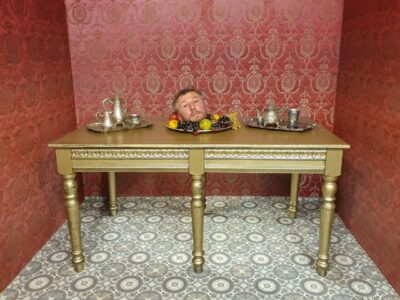
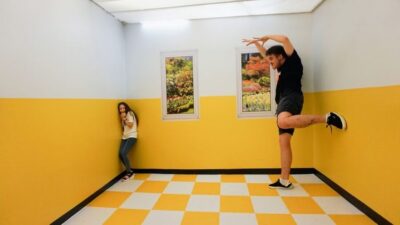

IAM Illusion Art Museum Prague Fast Pass Ticket
Read our review →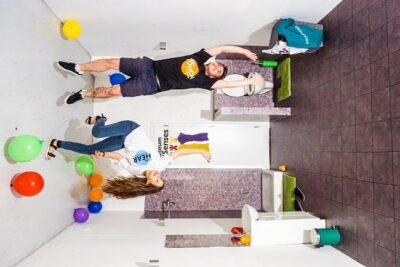
Admission Ticket to Museum of Senses in Prague
Read our review →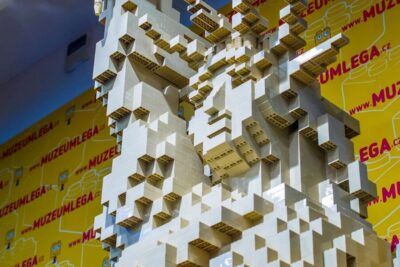
Ticket to Audiovisual Light Art at Lumia Gallery
Read our review →
Browse the lists this tour appears in