Reviewed · TICKETS
Prague: House at the Golden Ring Entry Ticket
Prague gets a digital time machine. This House at the Golden Ring ticket turns Charles IV-era and Rudolf II-era Prague into something you can watch, walk through, and compare, using models, animations, and video mapping. I love how the exhibits mix physical displays with multimedia, so it is not just text on walls.
Two things I really like: the Multimedia View of Prague During the Rule of Rudolf II with its large animation, and the way you get hands-on style learning through videos and 3D-like visuals in the Medieval Town area. One possible drawback is language: there is English presentation (and at least one visitor noted there was no French), so plan for English dialogue if you are relying on other languages.
In This Review
- Key Highlights You Will Notice Fast
- House at the Golden Ring: A compact ticket with major visual payoff
- Charles IV in 3D: Medieval Prague models, admin, and bridge building
- Town administration, coronation moments, and why it matters
- Charles Square and video mapping: Seeing the 14th century move
- Rudolf II in action: The 9-metre Sadeler Prospect animation
- What you should take away
- From prehistory to tailcoat: A costume-led bridge to everyday life
- Why the “everyday life” angle is worth your time
- The building itself: House at the Golden Ring as part of the story
- Time, pacing, and how to fit it into your Prague day
- Is it worth $8? A value check for short stays
- Who should book this ticket?
- Should you book the House at the Golden Ring entry ticket?
- FAQ
- How long does the experience take?
- What is included with the ticket?
- Is the experience offered in English?
- Is there multimedia in this museum experience?
- How much is the ticket?
- Is the ticket valid for one day?
- Can I cancel for a full refund?
- Do I have to pay immediately to reserve?
Key Highlights You Will Notice Fast
- Two big eras covered: Charles IV medieval Prague plus Rudolf II’s Rudolfine period
- 9-metre animation and the Sadeler Prospect: a city full of people, joys, and worries
- Charles IV urban models: Prague Castle, St Vitus Cathedral, Vyšehrad, and more in scale form
- Interactive digital costume exhibition: a fun way to connect people to the past
- Everyday-life artifacts and archaeology: original objects help you picture daily town life
- Video mapping of key areas: including Charles Square and surrounding development in the 14th century
House at the Golden Ring: A compact ticket with major visual payoff
For about $8 per person, you are buying entry to a museum experience designed for visuals first. The House at the Golden Ring focuses on how Prague looked, functioned, and felt during two landmark reigns of the Luxembourg line, so you get both the big picture and the street-level details.
If you like museums where you actually look at things, this is a strong bet. The standout is the mix of physical models (the “real” stuff you can stand near) and multimedia segments (videos, projections, and mapping). That combination helps the story stick, even if you only have a short window.
The museum also seems to work for different ages. One recent review called it one of the best museums they visited, and they spent around two hours because there was so much to see. Another visitor suggested you can do it in about 1 hour 30 if you move at a steady pace.
Some other Bohemian days to set against this
- Prague: Castle Tour with Local Guide and Entry Ticket
★ 4.6 · 10,422 reviews - Prague Castle 2.5-Hour Tour Including Admission Ticket
★ 4.7 · 8,927 reviews - Prague: Old Town Hall Tower Entry Ticket
★ 4.5 · 6,749 reviews
Charles IV in 3D: Medieval Prague models, admin, and bridge building
One of the most practical parts of this ticket is that it teaches Prague as a system, not as a pile of monuments. The Medieval Town exhibition takes Charles IV’s era and turns major sites into models you can orient around, so you can start to “read” the city you will see outside later.
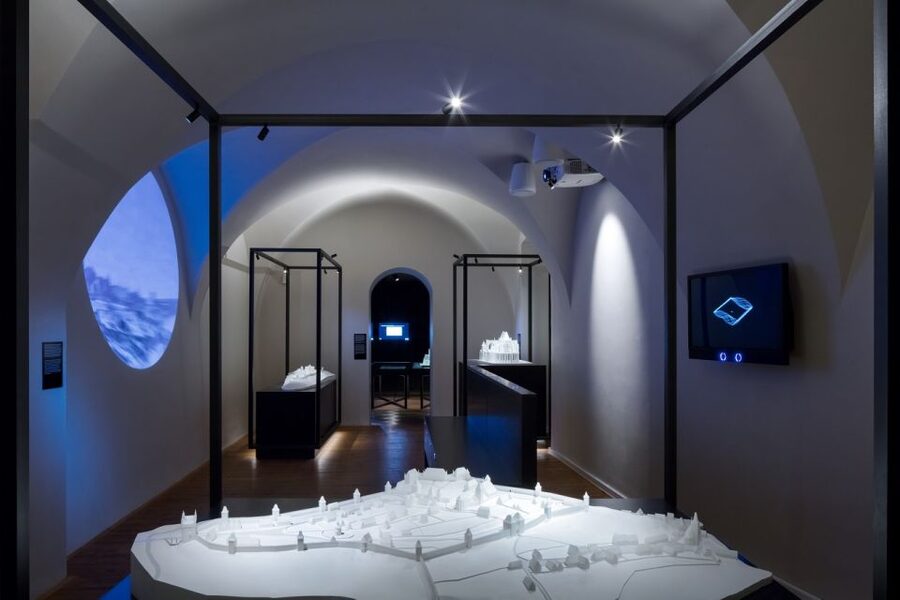
You can expect to see scaled reconstructions and tangible models of key places founded or shaped around Charles IV’s time. The exhibits specifically include models of Vyšehrad, Prague Castle, and St Vitus Cathedral, shown as they were used for religious and state purposes.
What makes this valuable for you is the way it frames urban growth. Instead of only naming buildings, the displays show the housing development across the city, plus what the stone bridge and related structures would have looked like in the medieval metropolis. You get a sense of how Prague expanded into a functioning capital.
Town administration, coronation moments, and why it matters
The multimedia segments also cover how the town was governed, including virtual presentations of town administration. There is also a focus on medieval bridge construction, which sounds niche until you realize it explains why certain areas grew the way they did.
The story is built with dramatic stops that bring events into the visuals. You will see key moments such as Charles’s birth, his arrival to Prague in 1333, his coronation, and burial. Those scenes matter because they stop the exhibits from feeling like static archaeology. They show the ruler’s timeline as something tied to the city’s development.
Charles Square and video mapping: Seeing the 14th century move
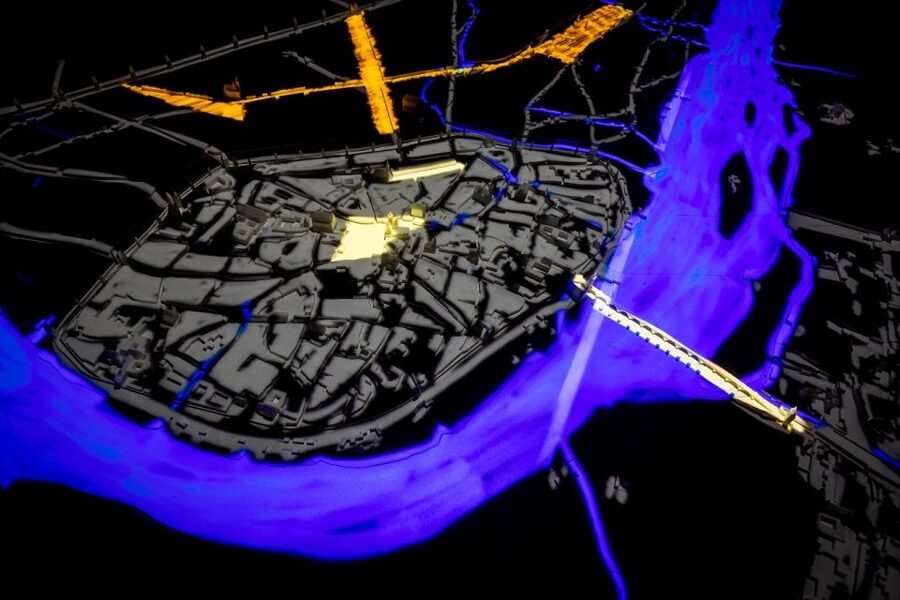
A big portion of the Charles IV story is delivered through video mapping of Prague’s conurbation model. You will also see Charles Square and nearby areas presented with the 14th-century building and urban development in focus.
If you have ever walked through central Prague and wondered how the place you are standing in relates to its older layers, this is made for that feeling. Mapping-style visuals help you connect modern streets to older layouts and show how development concentrated where it did.
The museum’s approach also makes it easier to understand cause and effect. When you see building patterns and growth around key squares and civic areas, you start thinking like a planner, not just like a tourist snapping photos.
Rudolf II in action: The 9-metre Sadeler Prospect animation
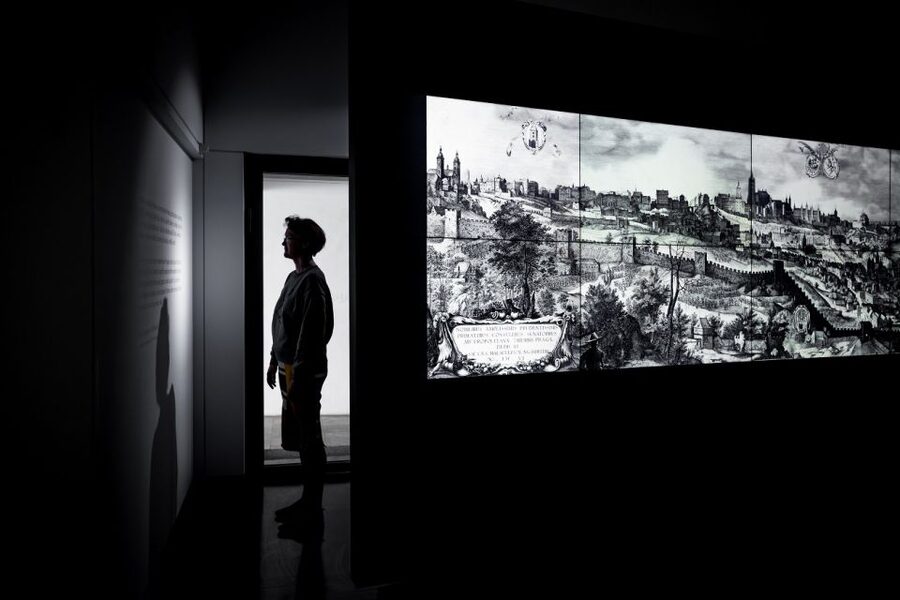
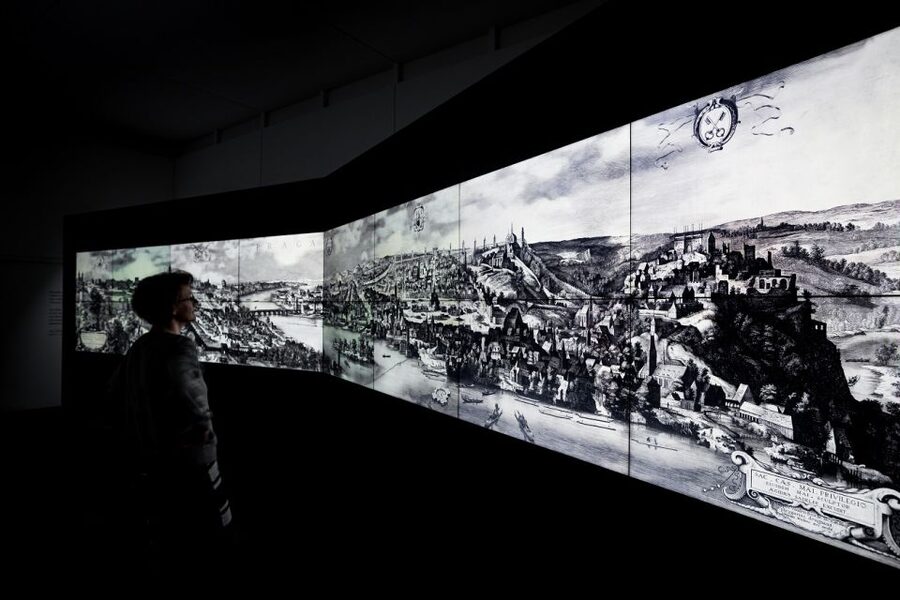
Then the experience shifts to the Rudolf II period, and this is where the museum goes big. The Multimedia View of Prague During the Rule of Rudolf II includes a nine-metre animation showing life in Prague in the Rudolfine era.
The animation is called the Sadeler Prospect. It is described as the result of collaboration between historians and modern technology specialists, and the visual idea is the city swarming with people, including their joys and worries. That phrasing is not just marketing. The scale is meant to make you feel the era as lived, not staged behind glass.
This is one of the most praised aspects of the ticket. A strong review highlighted that the museum includes artifacts, videos, and visual displays, some with 3D effects, and that it is far more immersive than many museums that rely only on written labels. Even if you are not a dedicated history person, the “show, then explain” format tends to land.
Another way the same evening in Prague could go:




What you should take away
You should treat the Rudolf II section as a mood shift. Where Charles IV teaches Prague’s structure and growth, Rudolf II adds motion, personality, and density. It helps you understand that Prague was not just built. It was used, argued over, celebrated, and lived in.
From prehistory to tailcoat: A costume-led bridge to everyday life
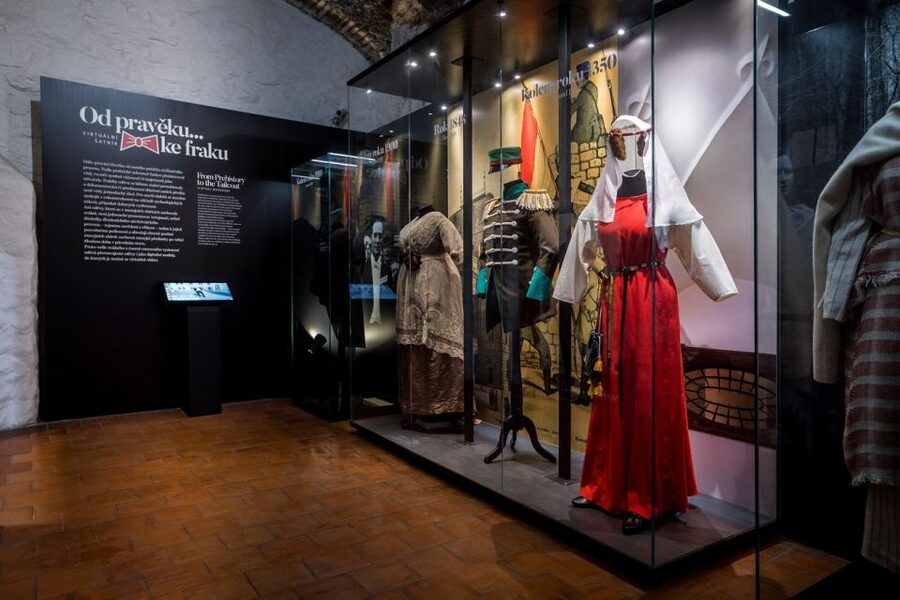
The ticket also includes a section called From Prehistory to the Tailcoat. The name gives you a clue about the vibe: the museum uses objects and digital presentation to connect different time periods, then brings you back into clothing and appearance.
One of the listed highlights is an interactive digital costume exhibition. That matters because costume is a shortcut to social life. It is a way to connect what you see in a model or animation to how people actually presented themselves in public.
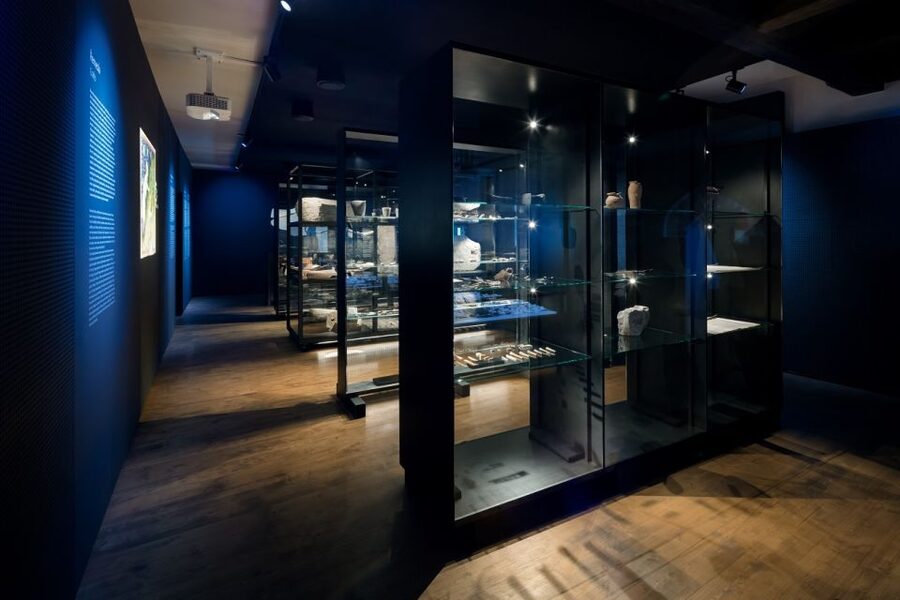
You can also expect unique archaeological findings and other original objects from collections connected to Prague cultural institutions. That includes materials from the Prague City Museum and the National Heritage Institute (Regional Office in Prague), plus other bodies. The practical benefit is that you are not only getting reconstructions. You are also getting evidence and physical artifacts that support the visuals.
Why the “everyday life” angle is worth your time
It is easy to get lost in royal dates and famous buildings. The everyday-life focus helps you remember the human scale. You learn about how townspeople lived during Luxembourg rule and you get multiple forms of media, not just one style of storytelling.
If you are traveling with kids or with friends who get bored by timelines, this is a smart inclusion. Costumes and daily-life objects give the group a hook beyond politics.
The building itself: House at the Golden Ring as part of the story
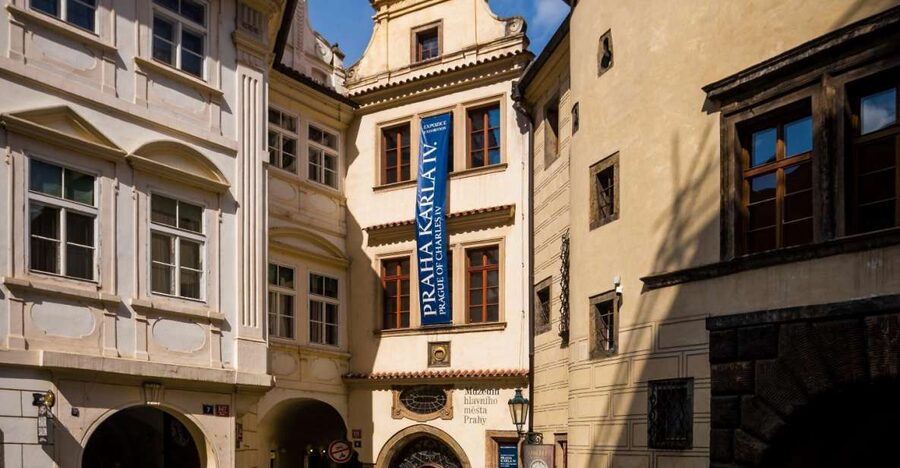
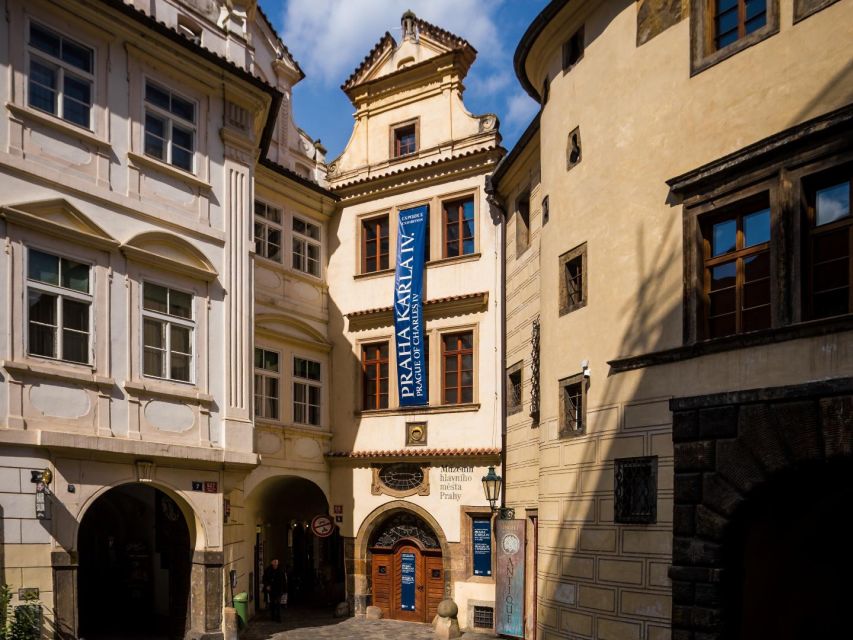
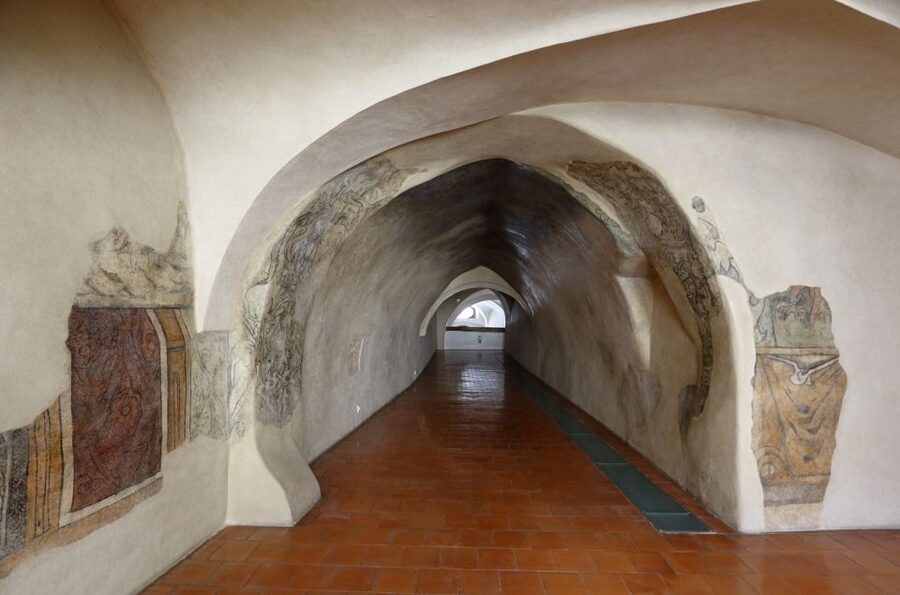
This ticket is not just about screens. It is also housed in the House at the Golden Ring, which you can treat as part of the message: Prague’s past is not stored away. It is presented in a place that belongs to the city’s heritage.
You should expect the museum to be built for steady viewing rather than a quick hit-and-run. One review said they spent about two hours, which is a clue that the museum supports a slower pace.
So if you like taking breaks mid-museum, this is comfortable. You can let one section set your mental map, then return to it when the next era shifts.
Time, pacing, and how to fit it into your Prague day
This experience is listed as 1 day, so you can plan it as either your main museum block or as a focused stop between bigger sights. Most visitors likely spend enough time to see multiple exhibitions thoroughly, because the content is divided into distinct themed areas.
Based on review timing, I would plan:
- About 1 hour 30 if you go at a steady pace
- Closer to 2 hours if you watch the videos carefully and slow down for exhibits with lots of visuals
English is supported, and the instructor is listed as English. One reviewer noted that there was nothing in French and that dialogue was in English, so if you need another language, make sure English works for you.
Is it worth $8? A value check for short stays
At roughly $8 per person, this ticket is priced like a budget-friendly add-on, but it can function like a key cultural stop. The value comes from variety: three included parts, including one focused on Rudolf II’s multimedia animation and one rooted in Charles IV’s urban development through models and video mapping.
A lot of museums try to justify cost with one star exhibit. Here, the ticket is spread across multiple media styles: physical models, archaeology and objects, and digital presentations including animation and video mapping. That mix makes it easier to enjoy even if your interests vary across a group.
If you are the type who likes a museum that gives you a mental map of a city’s layers, this is one of the better bets at this price range.
Who should book this ticket?
This is a good fit if you want:
- A Prague museum that explains city development through visuals, not only text
- A structured way to compare two eras, Charles IV and Rudolf II
- A family-friendly option with digital costume elements and video segments
- A short, high-information stop that still feels varied
It might not be ideal if you strongly prefer quiet displays with lots of written context, or if you only enjoy museums with extensive language options. One review found it fairly boring, which tells me this ticket is best when you are willing to watch and pay attention to multimedia.
Should you book the House at the Golden Ring entry ticket?
I think you should book it if you want real value and you like museums where visuals do the heavy lifting. For the price, the mix of models, video mapping, and a 9-metre Rudolf II animation is exactly the kind of payoff that makes a short Prague trip feel richer.
Skip it only if you know you do not enjoy multimedia-heavy museum layouts, or if English dialogue would be a problem for your group. If you are comfortable with English presentations, this ticket is one of the easiest ways to get a sense of Prague as it changed under Luxembourg rulers, not just as it looks today.
FAQ
How long does the experience take?
It is listed as 1 day. Based on visitor timing, you might spend about 1.5 to 2 hours to see everything at a comfortable pace.
What is included with the ticket?
The ticket includes the Medieval Town exhibition, the Multimedia View of Prague During the Rule of Rudolf II exhibition, and From Prehistory to the Tailcoat.
Is the experience offered in English?
Yes. The instructor is listed as English, and the exhibitions are presented in English.
Is there multimedia in this museum experience?
Yes. You can expect multimedia presentations including video mapping and a large animation focused on Rudolf II.
How much is the ticket?
The price is $8 per person.
Is the ticket valid for one day?
Yes. It is valid for 1 day.
Can I cancel for a full refund?
You can cancel up to 24 hours in advance for a full refund.
Do I have to pay immediately to reserve?
No. You can reserve now and pay later, which lets you keep your plans flexible.
Just written up in Prague
- Private Transfer from Prague to Regensburg★ 5.0 · 1 review
- Prague: TV Tower Ticket & Novi Grad Digital Tour★ 5.0 · 1 review
- Prague to Dresden’s Old Town, Zwinger & Frauenkirche by Car★ 3.0 · 1 review
- Prague to Český Krumlov Private Guided Tour – With Mike★ 5.0 · 1 review
- Prague to Munich Private Transfer with 2 hours sightseeing★ 5.0 · 1 review
- Prague: 3-Hours Wars & Totality Guided Walking Tour★ 5.0 · 1 review
- Prague to Berlin Private Transfer with Optional Sightseeing★ 5.0 · 1 review
- The Plague Doctor of Prague: Self-Guided Mystery Puzzle Walk★ 3.0 · 1 review
Tickets, compared.

Skip-the-line Castle Ticket and Optional AudioGuide
Read our review →
Castle Tour with Local Guide and Entry Ticket
Read our review →
Prague Castle 2.5-Hour Tour Including Admission Ticket
Read our review →

Entry ticket to Ice Pub Prague with Nightclub Option
Read our review →
Prague Castle and Lobkowicz Palace Entry Tickets
Read our review →
Entry Ticket Classical Concert at the Mirror Chapel
Read our review →