
Reviewed · KUTNA HORA DAY TRIPS FROM PRAGUE
Kutna Hora and Bone Chapel Private Day Trip from Prague
Bone chandeliers in a Czech church? This private Kutná Hora day trip turns Prague downtime into UNESCO sights, guided stops, and a close look at Sedlec’s human-bone artwork, with hotel pickup and private air-conditioned transport doing the heavy lifting.
I also like how the route mixes big monuments with smaller, easy-to-miss details, so you do not just tick off churches, you understand why Kutná Hora mattered. The main drawback is that the big venues add up in admission fees, and lunch is on your own tab.
In This Review
- Key highlights you will feel all day
- How this private day trip really plays out from Prague
- The pace is “walk, pause, learn”
- Budget with admissions and lunch in mind
- St. Barbara’s Cathedral: Kutná Hora’s miner-built masterpiece
- What to watch for at your first stop
- Admission note
- Rejsek Square’s Gothic Stone Fountain, plus the water engineering angle
- A small detail with big payoff
- Church of St. James: why one tower never got built
- What you will get inside
- Ticket planning
- Jesuit College and the covered-bridge idea in Kutná Hora
- Why I like this stop
- St. John of Nepomuk: Kutná Hora’s Baroque church moment
- What to expect
- Italian Court: where silver coins were made
- Why this matters on a day like this
- Sedlec Cathedral: UNESCO, Gothic-Baroque mix, and the Santini signature
- The wow factor is the rebuilding style
- One modern twist you might find surprising
- From All Saints cemetery to the Sedlec Bone Ossuary
- The 19th-century artistry behind the bone decorations
- A word about how to experience it
- Lunch in Kutná Hora: how to use the break well
- What I recommend ordering
- Value, price, and who this private trip fits best
- The real “value” is context
- A note on guide behavior
- Should you book Kutná Hora and Sedlec from Prague?
- FAQ
- How long is the Kutná Hora and Bone Chapel private day trip?
- What is included in the tour price?
- Are meals included?
- Do I need to pay admission fees for the main sites?
- What is the meeting point in Prague?
- Can I cancel for a full refund?
Key highlights you will feel all day
- Sedlec Bone Ossuary: bone decorations, arranged in the 19th century, in an underground chapel
- St. Barbara’s Church first: a late Gothic miner icon with a towering, distinctive design
- Small-city pacing: a guided walk through UNESCO streets, with short stops that keep you moving
- Medieval money story at Italian Court: how coin reform helped power the region
- Great guide energy (especially Eva): multiple reviews praise Eva’s explanations and lunch suggestions
How this private day trip really plays out from Prague
This is a full-day outing, about 7 hours, built around one idea: get you out of Prague and into Kutná Hora long enough to actually absorb it. Because it is private, your group stays together, and you are not stuck waiting on other travelers when timing gets tight between churches.
You start with Prague hotel pickup and return to the same meeting point. That matters more than it sounds. Kutná Hora is about a day trip for most people, so the easiest win is removing transit stress, especially if you want to spend your energy on the sights instead of figuring out schedules.
Other trips out to Kutna Hora:
- From Prague: Kutna Hora UNESCO Site Tour with Bone Chapel
★ 4.6 · 1,917 reviews - From Prague: Kutná Hora, St.Barbara’s Church, Sedlec Ossuary
★ 4.3 · 851 reviews - Kutná Hora from Prague – The Bone Church & St. Barbara’s
★ 4.3 · 620 reviews
The pace is “walk, pause, learn”
The stops are designed for a rhythm: short guided segments plus a little breathing room. Some sites are quick to enter and admire, while others take longer because you need time to notice details like buttresses, tower shapes, and the way the town’s mining past shaped the ground and buildings.
Budget with admissions and lunch in mind
You will pay extra at several key stops. The cathedral of Virgin Mary and St John the Baptist (in Sedlec) is €9, St. Barbara’s Cathedral is €10, the ossuary is €9, and the Church of St. James is €4. Lunch is also not included, though the tour includes time to stop for a traditional Czech meal at a recommended restaurant.
St. Barbara’s Cathedral: Kutná Hora’s miner-built masterpiece
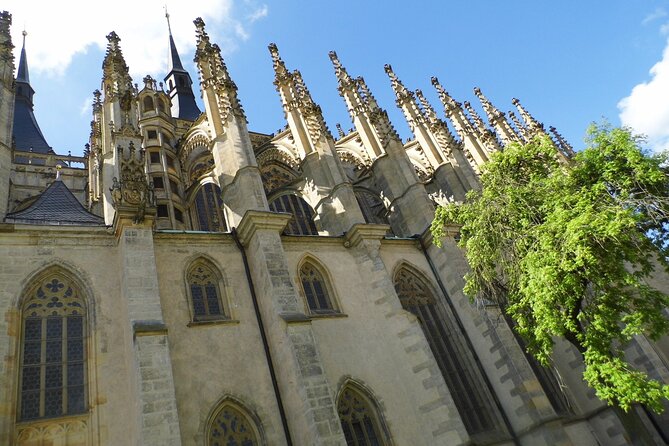
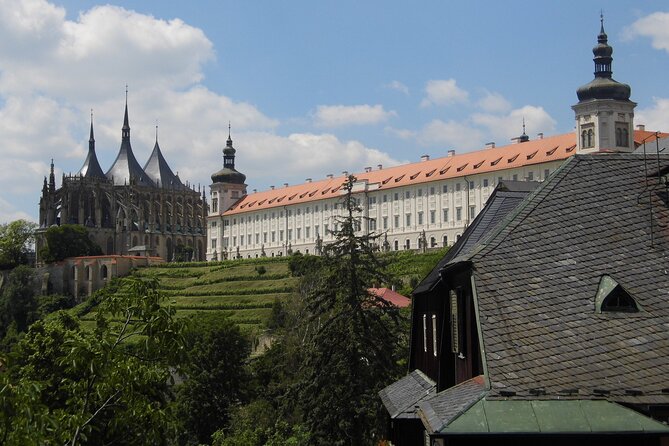
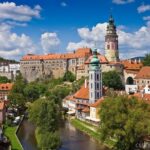
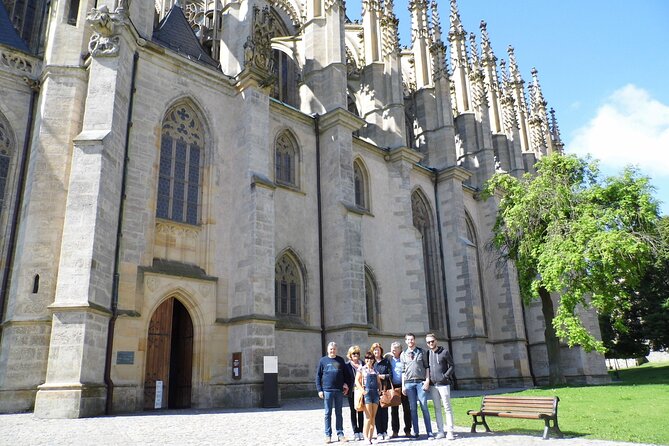
If Kutná Hora has a face, it is St. Barbara’s Cathedral. This late Gothic cathedral is dedicated to St. Barbara, the patron saint of miners, and it was built during the wealth that came from silver mining. Even if you do not care about architecture, the cathedral’s scale and shape make it hard to ignore.
The church is famous for its striking design, including a three-tent roof and intricate flying buttresses. You also get an easy sense of why UNESCO lists the historic center: the streets, houses, and churches reflect how a mining boom left a visible mark.
What to watch for at your first stop
- Notice how the cathedral’s layout signals “power” from the silver era.
- Look at how the roof and buttresses create a late Gothic silhouette that feels unmistakably Kutná Hora.
- Plan time to take photos without rushing the guide.
More Bohemian days that start at the station:
Admission note
You will need to budget for your entry ticket here, so bring some cash or confirm you are able to pay digitally on-site.
Rejsek Square’s Gothic Stone Fountain, plus the water engineering angle
The Gothic Stone Fountain on Rejsek Square is one of those sights that many visitors skip. That would be a mistake, because it turns into a mini history lesson about how mining affected everyday life.
Built in 1493 by architect Matěj Rejsek (also linked with Prague’s Powder Tower and Church of St. Barbara), the fountain is large for its type, about four meters tall, and has a twelve-sided form. It also served a practical purpose when the local water supply was cut off due to silver mining. Water was brought in from a well about four kilometers away through wooden pipes.
A small detail with big payoff
This stop is short, but it gives context. When you learn that silver mining disrupted water systems, you start to see Kutná Hora as a working city, not just a “pretty churches” postcard. If you catch the lighting after dark, the fountain can look especially dramatic, though your schedule may or may not line up with evening light.
Church of St. James: why one tower never got built
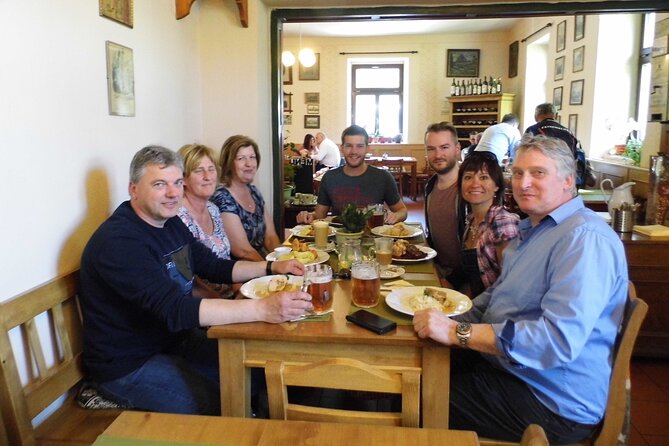
Next comes the Gothic Church of St. James, an 86 m tall tower landmark on the Kutná Hora skyline. Construction began in 1330 and finished in 1420, and there is a detail that makes it more than a photo stop: the church was originally planned with two towers.
But mining made the ground unstable, and the second tower ended up unfinished. That means you can literally see the missing plan in the building’s exterior, which is a rare kind of architectural clue. It also earned the nickname the Tall or High Church until the 17th century.
What you will get inside
The interior blends Gothic, Renaissance, and Baroque artifacts. It is not just one style trying to dominate. It feels like the city kept adding layers as time passed, similar to how Prague’s own neighborhoods evolve.
Ticket planning
This is another paid entry stop, so factor the €4 into your day budget.
Jesuit College and the covered-bridge idea in Kutná Hora
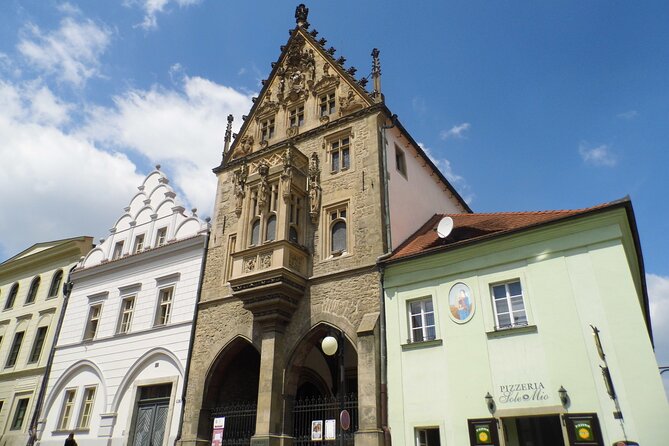
The Jesuits arrived in Kutná Hora in 1626 to convert the Utraquist town to Catholicism. They built a college next to St. Barbara’s Cathedral, then connected the two buildings with a covered bridge concept. Even though you will not be crossing a bridge in the same way you would on Charles Bridge, the idea shows up in the architecture.
The Jesuit College building dates from the late 17th century into the mid-18th century. It originally had three towers, but the middle one was removed later for stability. In front of the building is a terrace enclosed by a low wall, topped with 13 statues of saints, forming what people describe as a pseudo-bridge. The effect was meant to resemble Charles Bridge and the Royal Route.
Why I like this stop
It is a chance to shift from “religious landmark” to “city design.” You see how institutions shaped movement and perspective in town. The building also houses a large art gallery now, so you get a modern use layered over old intentions.
St. John of Nepomuk: Kutná Hora’s Baroque church moment
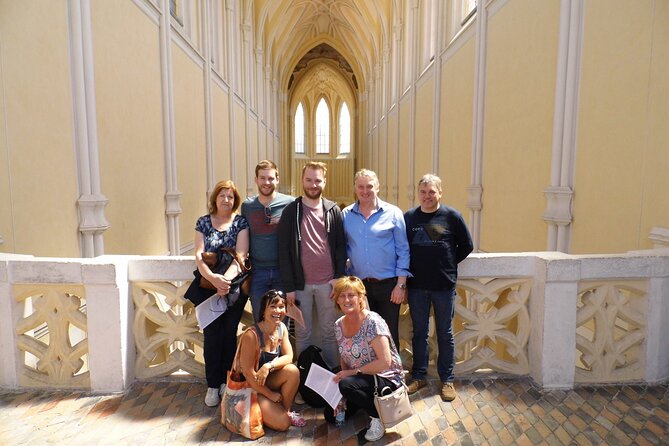
Kutná Hora has one Baroque church on this route: the Church of St. John of Nepomuk on Husova Street. The mid-18th century church was built partly by Kilián Ignác Dientzenhofer, a major architect of the era. That alone gives you a reason to pay attention.
It is used not only for worship, but also for concerts and exhibitions. In practice, that means the interior can feel more “alive” than some churches that act only as quiet monuments.
What to expect
You will spend a short time here, but it is one of those quick stops where you will notice the interior decoration. If Gothic is about structure and soaring lines, Baroque is about visual drama, so you get a nice style contrast in a single day.
Italian Court: where silver coins were made
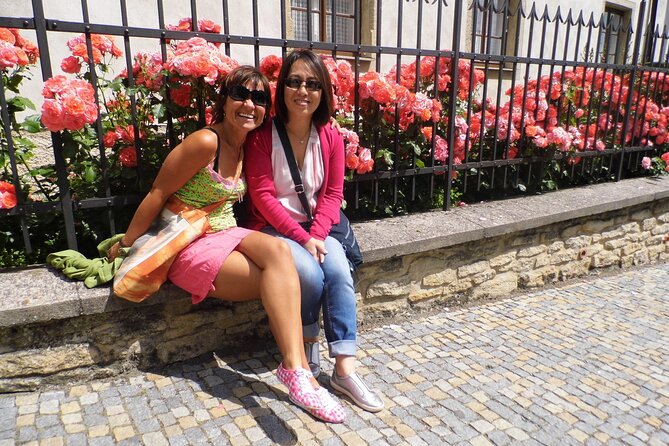
This stop is easy to love if you like the practical side of history. The Italian Court was where silver coins were produced in the Middle Ages. It is tied to a monetary reform ordered by King Wenceslas II in 1300, with Florentine bankers brought in to implement the change.
The reform centralized minting, replacing scattered mints around the kingdom. Silver Prague groschen coins replaced thinner, lower-quality silver coins. The result was a stronger currency, which helps explain why silver mining wealth translated into political and economic power.
Why this matters on a day like this
When you connect the mining story to the minting story, Kutná Hora stops feeling like a museum. It becomes a real engine that fed courts, trade, and everyday exchange.
Sedlec Cathedral: UNESCO, Gothic-Baroque mix, and the Santini signature
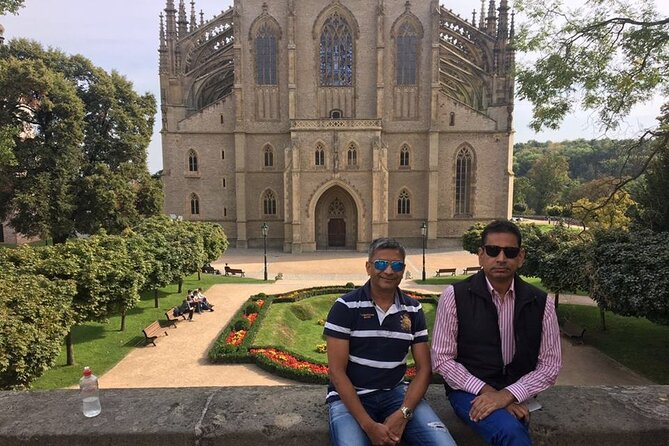
Sedlec is where the day shifts into full UNESCO mode. The Cathedral of the Assumption of Our Lady and St. John the Baptist is part of the UNESCO listing and is connected to the former Cistercian monastery founded by King Wenceslas II in the early 1300s.
This was the high point of Kutná Hora’s silver wealth. The cathedral was built in the High Gothic style and was once considered the most magnificent church in the Kingdom of Bohemia. Then history punched it hard: the monastery and church burned during the Hussite wars in 1421, and they were not renovated until the early 18th century.
The wow factor is the rebuilding style
Jan Blažej Santini rebuilt the monastery at the turn of the 17th and 18th century in a Baroque Gothic style. The combination of Gothic and Baroque is a key reason this cathedral is so distinctive, and it is exactly the kind of detail a guide helps you spot while you are walking.
One modern twist you might find surprising
The monastery was closed in 1783 due to emperor Joseph II’s religious reform. Later, a tobacco factory was established in 1812 and has been run by Philip Morris. It is a reminder that churches and institutions do not always stay frozen in time.
From All Saints cemetery to the Sedlec Bone Ossuary
This is the stop everyone talks about, and for good reason. You enter the Church of All Saints, located inside a cemetery, with Gothic origins from the late 13th century and a Baroque rebuild in 1698. From there, you go to the Sedlec Ossuary in the underground chapel.
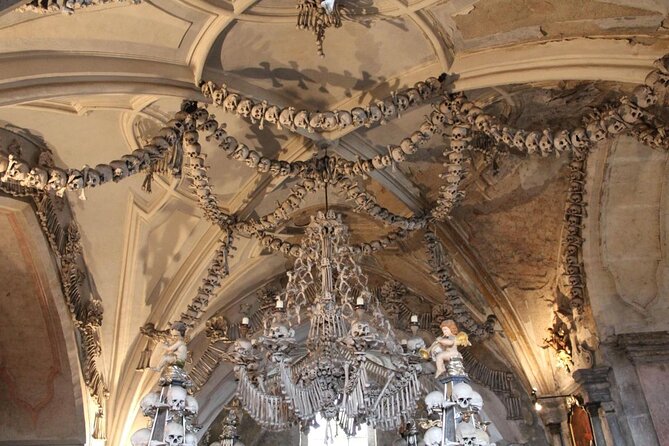
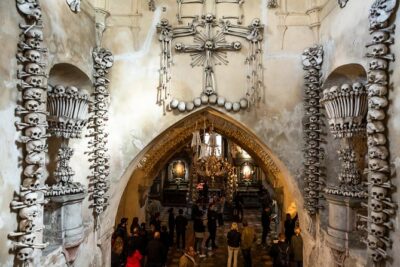
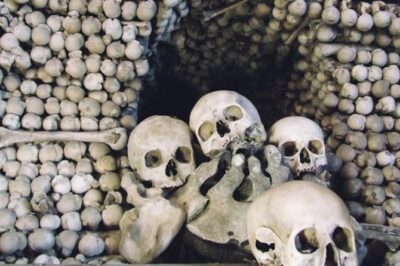
The ossuary contains the bones of about 40,000 people, with origins linked to the plague in 1318 and also deaths from the Hussite wars in the 15th century. Those remains were originally buried in a cemetery. When the cemetery closed at the end of the 15th century, the exhumed bones were moved to the chapel, where they were arranged into decorative structures.
The 19th-century artistry behind the bone decorations
In 1870, František Rint of Česká Skalice arranged the bones into a design that includes pyramids, bells, the Schwarzenberg coat-of-arms, and a chandelier. That is the part most people remember, because it turns a grim source into careful, almost ceremonial visual order.
A word about how to experience it
Go slowly. The ossuary is not a quick peek. You will get more out of it if you take a moment to notice patterns, symmetry, and the way the decorations frame space. Also, this is one of those interiors where your photos may look different than you expect, so give yourself time to look without rushing.
Lunch in Kutná Hora: how to use the break well
Lunch is not included, but the tour builds in time to eat at a traditional Czech restaurant in the center of town. In the best cases, you will get a solid recommendation from your guide, and that can make the difference between a convenient meal and a genuinely enjoyable one.
A practical tip: use lunch to slow your pace. After several churches and short walking segments, you want a sit-down break where you can reset. If you are sensitive to strong smells or crowded interiors, the ossuary and cathedral churches can be mentally draining in a quiet way, so eating first or mid-day can help.
What I recommend ordering
The data here does not list specific dishes, so you will need to follow what the restaurant offers. Still, staying with Czech classics is usually the right play for a day like this, since you are already seeing a Czech historical story from multiple angles.
Value, price, and who this private trip fits best
At $355.27 per person, this is not a budget day trip. You are paying for private, guided logistics: hotel pickup and drop-off, an air-conditioned vehicle, a professional guide, and bottled water. That bundle can be great value if you are traveling as a couple or small group who wants control and comfort.
It can be less attractive if you are a solo traveler hunting for the cheapest option. Since the minimum booking is two people, you will usually end up splitting the cost.
The real “value” is context
A big part of why these sights work as a single day is explanation. The cathedral details make sense when someone connects them to mining wealth. The fountain makes sense when you know water systems were disrupted. The ossuary makes sense when you understand why the bones were arranged in the 1800s, not in the medieval period.
A note on guide behavior
The tour’s reviews strongly highlight Eva as a standout guide, with guests praising her promptness, her explanations, and the way she chats naturally during lunch. One review raised an issue about a guide spending most of the ride speaking to the driver instead of engaging the group. If you care a lot about conversation, pay attention to how your guide starts the day, and politely steer the interaction back if needed.
Should you book Kutná Hora and Sedlec from Prague?
Book it if you want a structured day with major UNESCO sites and an organized, low-stress route out of Prague. It is especially worth it if Sedlec’s bone ossuary is on your list, because you want time to understand what you are seeing, not just a quick hallway photo.
Skip it or rethink if your budget is strict, because admissions are extra at multiple stops, and lunch is your responsibility. Also consider whether a 7-hour day with several short walks and museum-like interiors fits your stamina.
If you enjoy architecture, you will love the mix of late Gothic St. Barbara’s, the tower story at St. James, Baroque moments at St. John of Nepomuk, and the Gothic-Baroque blend of Sedlec Cathedral. If you prefer darker, unusual sites, the ossuary will likely be the emotional high point.
FAQ
How long is the Kutná Hora and Bone Chapel private day trip?
It runs about 7 hours.
What is included in the tour price?
The tour includes hotel pickup and drop-off, an air-conditioned vehicle, a professional guide, and bottled water.
Are meals included?
Lunch is not included. You can have lunch at a recommended local Czech restaurant in the center of Kutná Hora, at your own expense.
Do I need to pay admission fees for the main sites?
Yes. Tickets are not included for several key stops, including St. Barbara’s Cathedral (€10 per person), the Ossuary (€9 per person), the Sedlec Cathedral (€9 per person), and the Church of St. James (€4 per person).
What is the meeting point in Prague?
Pickup is arranged from your hotel or Airbnb, and the listed starting meeting point is Prague Marriott Hotel, V Celnici 8, Nové Město, 110 00 Praha-Praha 1, Czechia.
Can I cancel for a full refund?
Yes. You can cancel up to 24 hours in advance for a full refund.
Just written up in Prague
- Private Transfer from Prague to Regensburg★ 5.0 · 1 review
- Prague: TV Tower Ticket & Novi Grad Digital Tour★ 5.0 · 1 review
- Prague to Dresden’s Old Town, Zwinger & Frauenkirche by Car★ 3.0 · 1 review
- Prague to Český Krumlov Private Guided Tour – With Mike★ 5.0 · 1 review
- Prague to Munich Private Transfer with 2 hours sightseeing★ 5.0 · 1 review
- Prague: 3-Hours Wars & Totality Guided Walking Tour★ 5.0 · 1 review
- Prague to Berlin Private Transfer with Optional Sightseeing★ 5.0 · 1 review
- The Plague Doctor of Prague: Self-Guided Mystery Puzzle Walk★ 3.0 · 1 review
Kutna Hora Day Trips from Prague, compared.
Kutná Hora, St.Barbara’s Church, Sedlec Ossuary
Read our review →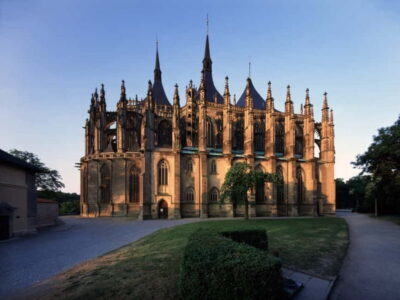
Kutná Hora from Prague – The Bone Church & St. Barbara’s
Read our review →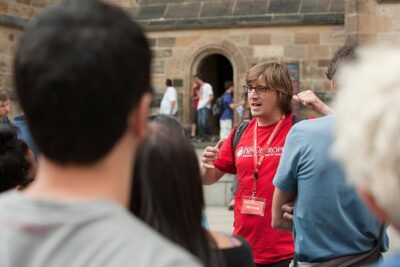
Kutna Hora Day Tour Including Sedlec Ossuary from Prague
Read our review →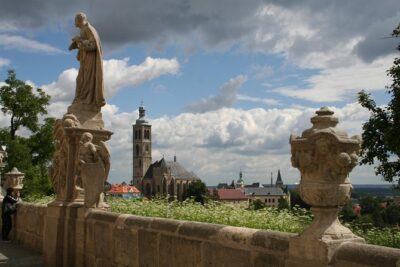
Half Day Trip to Kutna Hora and Bone Church from Prague
Read our review →
Kutna Hora Private Day Trip from Prague by Train
Read our review →Browse the lists this tour appears in