
Reviewed · PRAGUE CLASSICAL MUSIC SHOWS
Concert in the Rudolfinum – MOZART, VIVALDI, SMETANA
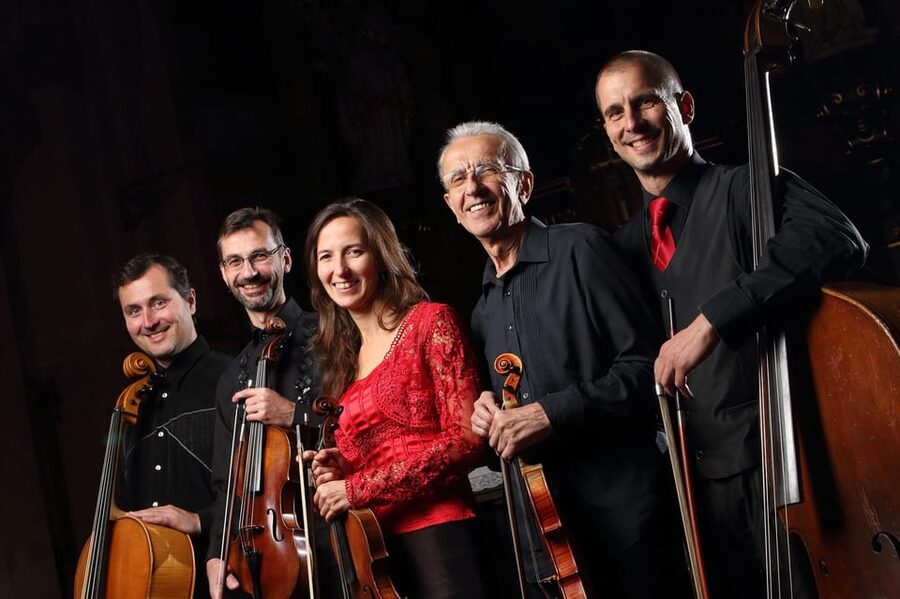
Prague sounds better when it’s close up. This Rudolfinum concert puts you in the Suki Hall for a short, 65-minute program of big-name classical favorites by the Parnas Ensemble, with standout moments like Smetana’s Vltava. I love the setting, warm and comfortable in a historic building, and I love that the music stays immediately accessible even if you are new to classical. One thing to consider before you buy, it is not a full-size orchestra evening, so it may feel pricier if you expected a larger hall and a traditional orchestra.
The vibe here is personal, not formal museum quiet. I also like how the performer lineup is tight, professional, and clearly up for connecting with the room, which makes the evening feel friendly and easy to enjoy. If you want a grand, “major concert hall” production, you might be disappointed by the intimate side-hall setup.
In This Review
- Key things to know before you go
- Stepping into Prague’s Rudolfinum, then finding Suki Hall fast
- The Parnas Ensemble approach, and why an intimate ensemble works
- Inside the 65-minute program: what you will hear, in the order you will notice
- Vivaldi selection: The Four Seasons moments
- Bizet: Carmen suite
- Debussy: Clair de lune
- Ravel: Bolero
- Smetana: Vltava (Moldau), Prague’s headline feeling
- Strauss: Pizzicato Polka
- Mozart: A Little Night Music
- Schubert: Ave Maria
- Bach: Air
- Tchaikovsky: Waltz of the Flowers (Nutcracker)
- Dvořák: Largo from the New World Symphony
- Slavonic Dance to close
- Why the room matters: comfort, warmth, and an easy listening vibe
- Service and hosts: what you can expect around the concert
- Price and value: is $65 fair for a small ensemble night?
- Who should book this Prague concert, and who might skip it
- Should you book Concert in the Rudolfinum with Mozart, Vivaldi, Smetana?
- FAQ
- How long is the concert?
- Where do I meet for the concert?
- Who performs at the concert?
- What composers and pieces are included?
- How much does it cost?
- Can I cancel or change my plans?
Key things to know before you go
- Rudolfinum, Suki Hall: An intimate Prague venue, not the main big-stage experience.
- Parnas Ensemble: A light-classical specialist, built for short thematic programs.
- 65-minute format: Fast evening planning, with a concentrated mix of famous works.
- Prague star moment: Smetana’s Vltava (Moldau) lands with extra punch in Prague.
- Comfort matters: A historic hall that stays pleasantly warm for relaxed listening.
- Real people energy: A skilled group that keeps the evening lively, even between well-known pieces.
Stepping into Prague’s Rudolfinum, then finding Suki Hall fast
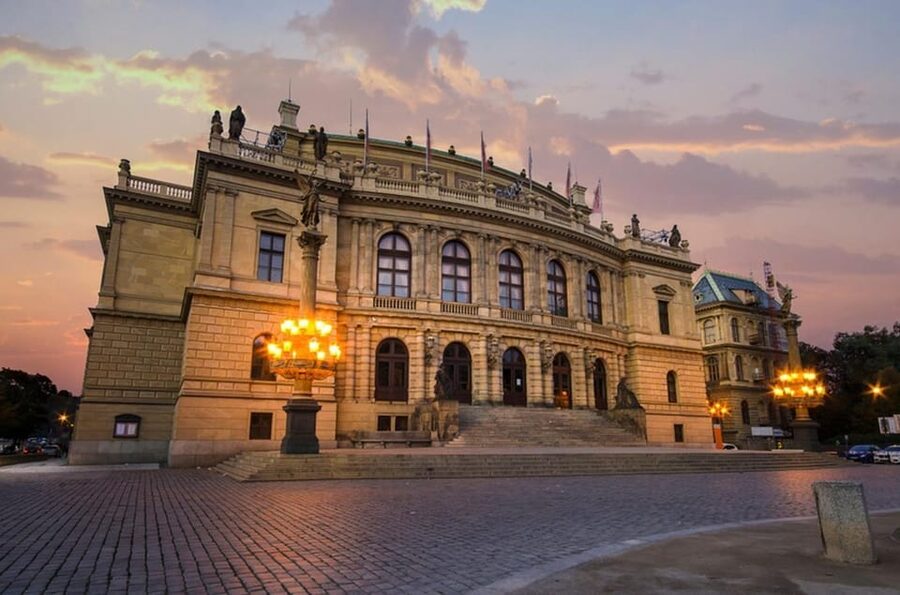
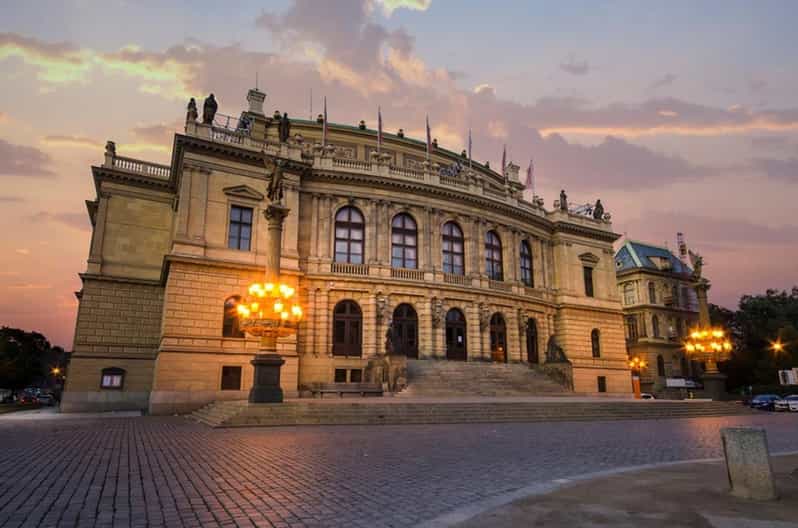
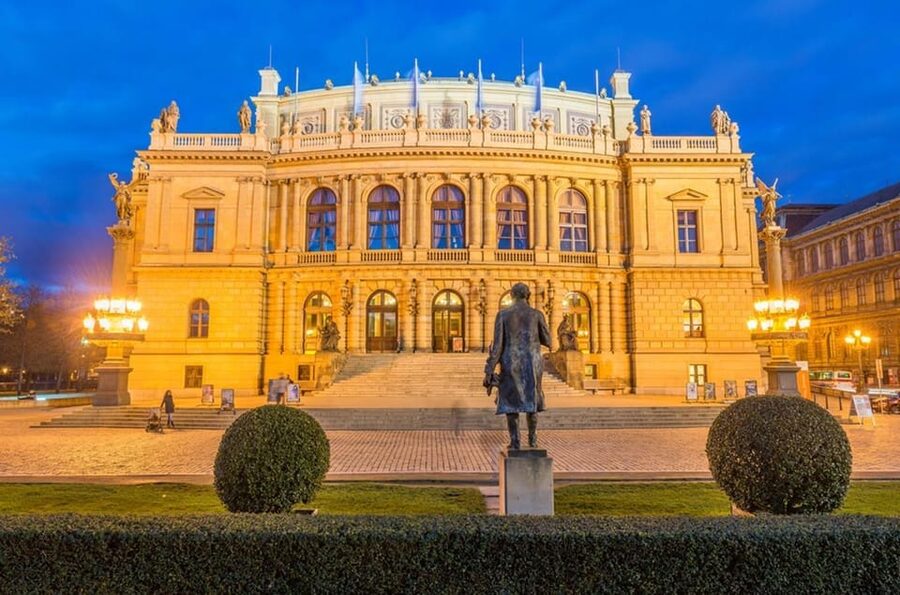
The Rudolfinum is one of those Prague landmarks where the building itself sets the tone. You go for the music, sure, but you also get the satisfaction of walking into a place that feels made for concerts, not just hosting them.
Your practical move is to meet at the Suki Hall entrance on the left side of the Rudolfinum. I recommend arriving with a little cushion, even if you are on a tight schedule. Concert evenings can get busy around entrances, and getting seated calmly helps you settle into the sound right away.
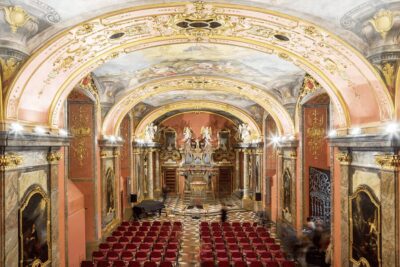
Once you are inside, what surprised me in a good way is how quickly the evening turns into “your space.” This is not a huge, echo-chamber crowd setup. You are close enough that the musicians feel part of the room, not floating above it. That proximity matters for classical music, because it lets you catch phrasing and detail, not only melodies.
Other concert evenings in Prague:
- Prague: Entry Ticket Classical Concert at the Mirror Chapel
★ 4.7 · 4,636 reviews - Prague: Concert at Reduta Jazz Club
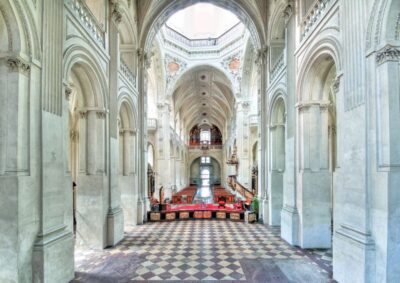
★ 4.5 · 2,170 reviews - Prague: A. Vivaldi Four Seasons at St. Salvator Church
★ 4.4 · 1,951 reviews
The Parnas Ensemble approach, and why an intimate ensemble works
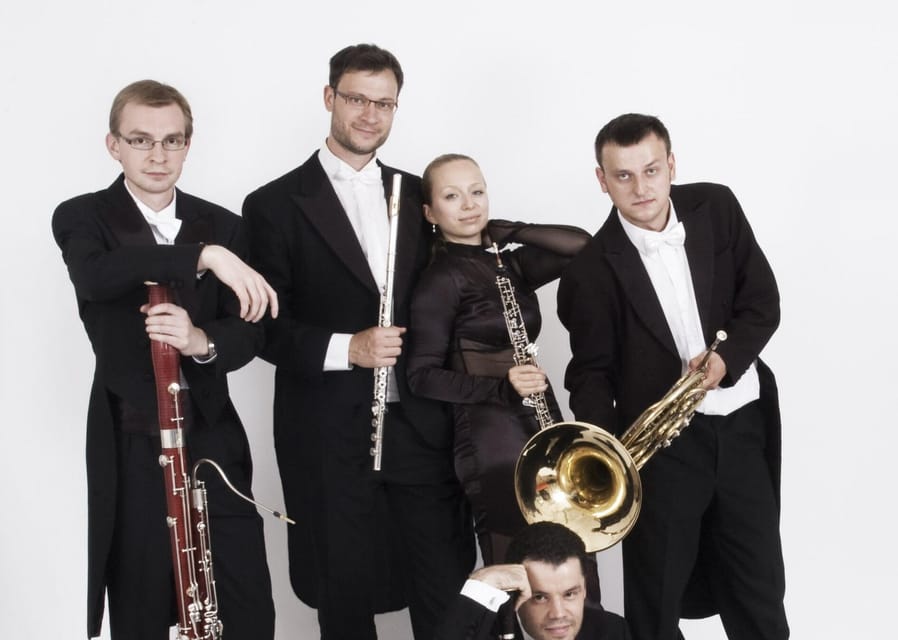
This concert is performed by the Parnas Ensemble, a group that specializes in light classical music. That phrase can sound vague until you experience the result. In practice, it means the program leans toward familiar, emotionally readable works rather than deep, academic marathon pieces.
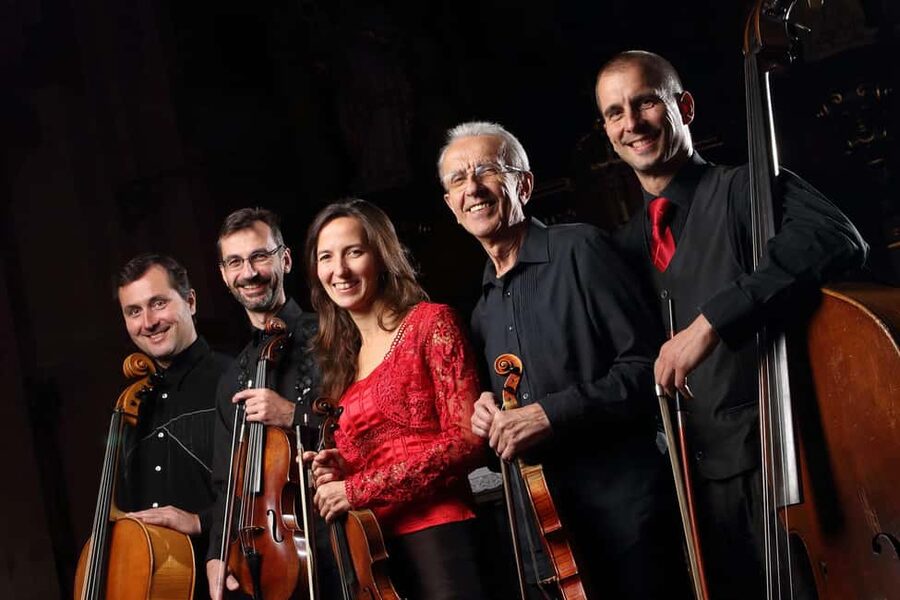
You also get a more “team” feel than you would with a big orchestra. One review noted the performance by five first-class musicians, and that lines up with the overall experience. In a small ensemble format, musicians tend to communicate constantly with each other, and you feel that coordination. It is the kind of listening where you notice balance, not just volume.
If you like classical music but do not want to commit to a full evening of dense programming, this format is a strong match. The ensemble is also linked with prestigious international congress events in the past, including the NATO Summit in Prague in 2002, which hints at their comfort performing for varied audiences and formal settings.
Inside the 65-minute program: what you will hear, in the order you will notice
The concert runs 65 minutes, so the program is built to move. Instead of long stretches of one style, you get a quick sequence of moods, textures, and famous themes. Here is what to listen for, track by track, and what each piece tends to “do” for a first-time or casual listener.
Vivaldi selection: The Four Seasons moments
The evening opens with a selection from Vivaldi’s Four Seasons. Even when you only half-know the tunes, this is a great starter because the music tells you where it is going. Expect recognizable motion, bright articulation, and a natural feeling of seasonal “storytelling.”
Bizet: Carmen suite
Next comes a suite from Carmen. This is where a light-classical ensemble can shine, because it is full of color and rhythm. You should expect music that sounds dramatic even in a smaller group setup, with melody clarity that keeps it easy to follow.
Another way the same evening in Prague could go:




Debussy: Clair de lune
Then the mood softens with Debussy’s Clair de lune. If you want one “slow-breath” moment in the middle of a busy Prague sightseeing day, this is it. In an intimate hall, slow movements can feel surprisingly detailed, not hazy.
Ravel: Bolero
After that calm, the concert turns into momentum with Ravel’s Bolero. Even if you only know Bolero by reputation, it is built for attention. The repetition works differently live, especially close up, because you hear how layers build rather than just feeling the famous rhythm.
Smetana: Vltava (Moldau), Prague’s headline feeling
Then comes the big local highlight: Smetana’s Vltava (Moldau). This is the piece many people connect to when they think about Czech musical identity, and it hits with extra meaning in Prague. If you want a souvenir that is not a postcard, this is the one.
One review singled out Vltava as a personal highlight, and I get why. The music has a flowing sense of movement, like following a river through changing scenes. In this venue, it also tends to sound especially vivid.
Strauss: Pizzicato Polka
After something lyrical and sweeping, Strauss’ Pizzicato Polka brings the energy back up. It is playful, springy, and great for resetting your attention. The rhythmic snap works well for small ensembles because the sound stays crisp rather than getting blurred.
Mozart: A Little Night Music
Next is Mozart’s A Little Night Music. This is one of those “almost everyone recognizes the feeling” pieces. In a short concert, it works like a friendly handshake, warm and familiar, letting you enjoy without needing to decode anything.
Schubert: Ave Maria
Then you get Schubert’s Ave Maria. It is a lovely tonal contrast, and it gives the audience a different kind of quiet focus. If you enjoy the spiritual or reflective side of classical music, this is a strong mid-to-late set choice.
Bach: Air
Following Schubert, Bach’s Air keeps the tone elegant and singable. In an intimate setting, Bach lines can sound extra clear because the ensemble balance is easier for listeners to track.
Tchaikovsky: Waltz of the Flowers (Nutcracker)
Then the well-loved Tchaikovsky moment: Waltz of the Flowers from The Nutcracker. This is a “smile in your face even if you did not grow up with it” piece. It is also a natural lead-in to the more Czech-flavored or Slavic-leaning material later.
Dvořák: Largo from the New World Symphony
Next is Dvořák’s Largo from the New World Symphony. This is emotional, not flashy. You should listen for the long-breathed phrasing, and how a small ensemble can still make it feel full even without the volume of a large orchestra.
Slavonic Dance to close
Finally, the program ends with a Slavonic Dance. The practical result of a closing finale like this is simple: it helps the evening land on a memorable, rhythmic note. It is also a good choice for people who want the “main themes” and then go home humming.
Why the room matters: comfort, warmth, and an easy listening vibe
A historic venue can be hit or miss, especially in winter. Here, the concert hall is pleasantly warm, which is not a small thing. When you are comfortable, you do not spend the concert thinking about coats, circulation, or slipping through your seat.
The other advantage is intimacy. When you are seated close, the performance becomes more human. You notice how the ensemble breathes together at transitions. You hear the difference between a phrase that lands softly and one that pushes forward. That is the kind of detail you lose in larger, farther-away setups.
There is also a social effect. In small halls, people tend to watch and listen, not just attend. You can dress up if you want, but the vibe is not strict. One review even described the surprise of seeing people in shorts and flip flops alongside formal attire, which tells you this is not a dress-cop evening. Just aim for something comfortable and respectful.
Service and hosts: what you can expect around the concert
This experience is supported by Mgr. Silvie Tycová. Having a named host matters because it signals there is real staff coordination behind the scenes, not just a ticket scan and good luck.
From the overall tone people reported, the surrounding service and atmosphere are kind and pleasant. That matters on a trip because your brain is tired by the time evening arrives. You want check-in that feels smooth, seating that feels straightforward, and staff who respond well if you need clarification.
If you want a clean plan, use the meeting point guidance and keep it simple. Enter through the left side of the Rudolfinum to reach the Suki Hall entrance. Once you are inside, focus on finding your seat and settling your expectations about the venue size. The more you align those expectations, the more you will enjoy the show.
Price and value: is $65 fair for a small ensemble night?
At $65 per person, this concert sits in the “mid-level special evening” category. The main value question is simple: do you want a full orchestra experience, or do you want a close, polished, accessible program?
Here is the balanced take. If you expected a big-hall orchestra night, you might feel the price is high, especially because this is performed by an ensemble, not a large orchestra. One review pointed out that the venue is not the large hall and that it is not an orchestra. That is exactly the kind of mismatch that can create disappointment.
On the other hand, $65 starts to look more reasonable when you consider what you actually get:
- A historic Rudolfinum setting that feels special
- A warm, intimate listening space
- A lineup that plays widely recognized works without turning the concert into a dull greatest-hits playlist
- A full 65 minutes with fast momentum, so you get a complete evening without it dragging
To me, the strongest value argument is the combination of intimacy plus familiar music plus Prague relevance through Vltava. If that is your kind of evening, this price is easier to justify.
Who should book this Prague concert, and who might skip it
This is a great fit if:
- You want famous classical music without a long commitment
- You like hearing how classics sound in a smaller, more personal ensemble format
- You are in Prague and want one night that feels local through Smetana’s Vltava
- You are traveling with friends or family and want an atmosphere that feels welcoming, not stiff
It might be a miss if:
- You strongly prefer the visual and sonic impact of a full orchestra
- You expected the main Rudolfinum hall rather than an intimate side-hall experience
- You dislike hearing repeated, popular favorites and would rather go for music written specifically for a particular ensemble setup
The good news is you can decide quickly. If you are open to a compact, accessible program in a warm, close hall, you will likely enjoy it. If you need the grandeur of a big production to feel like you got your money’s worth, go in with that awareness.
Should you book Concert in the Rudolfinum with Mozart, Vivaldi, Smetana?
I would book it if you want one classy Prague evening that balances comfort, familiarity, and intimacy. This is the kind of concert where you can dress nicely or keep it casual, sit down, and spend 65 minutes letting the music do the work.
I would pause if you are chasing a full orchestra show or you are very sensitive to venue size expectations. In that case, the smaller ensemble format could make the night feel less like a big-ticket event.
If you match the vibe to your expectations, this concert is a satisfying way to experience Prague through music, especially when Vltava is in the program and the room is close enough to hear every shift in tone.
FAQ
How long is the concert?
The concert lasts 65 minutes.
Where do I meet for the concert?
Meet at the Suki Hall entrance, on the left side of the Rudolfinum.
Who performs at the concert?
The concert is performed by the internationally renowned Parnas Ensemble.
What composers and pieces are included?
The program includes selections by Vivaldi (The Four Seasons selection), Bizet (Suite from Carmen), Debussy (Clair de lune), Ravel (Bolero), Smetana (Vltava or Moldau), Strauss (Pizzicato Polka), Mozart (A Little Night Music), Schubert (Ave Maria), Bach (Air), Tchaikovsky (Waltz of the Flowers from The Nutcracker), Dvořák (Largo from the New World Symphony), and Slavonic Dance.
How much does it cost?
The price is $65 per person.
Can I cancel or change my plans?
Yes. You can cancel up to 24 hours in advance for a full refund, and you can reserve now and pay later to keep plans flexible.
Just written up in Prague
- Private Transfer from Prague to Regensburg★ 5.0 · 1 review
- Prague: TV Tower Ticket & Novi Grad Digital Tour★ 5.0 · 1 review
- Prague to Dresden’s Old Town, Zwinger & Frauenkirche by Car★ 3.0 · 1 review
- Prague to Český Krumlov Private Guided Tour – With Mike★ 5.0 · 1 review
- Prague to Munich Private Transfer with 2 hours sightseeing★ 5.0 · 1 review
- Prague: 3-Hours Wars & Totality Guided Walking Tour★ 5.0 · 1 review
- Prague to Berlin Private Transfer with Optional Sightseeing★ 5.0 · 1 review
- The Plague Doctor of Prague: Self-Guided Mystery Puzzle Walk★ 3.0 · 1 review
Prague Classical Music Shows, compared.
Entry Ticket Classical Concert at the Mirror Chapel
Read our review →
A. Vivaldi Four Seasons at St. Salvator Church
Read our review →
Mozart Ballroom Concert Ticket with 3-Course Dinner
Read our review →
Prague Castle: Midday Classical Concert at Lobkowicz Palace
Read our review →

Browse the lists this tour appears in